Category: Uncategorized

  • Want To Eat Healthier?

    HEALTHY EATING

    Image of family eating dinner at the kitchen table.

    Then cook meals at home

    People who frequently cook meals at home eat healthier and consume fewer calories than those who cook less, according to Johns Hopkins Bloomberg School of Public Health research.

    “When people cook most of their meals at home, they consume fewer carbohydrates, less sugar and less fat than those who cook less or not at all-even if they are not trying to lose weight,” according to a study in Public Health Nutrition.

    © American Institute for Preventive Medicine

  • Avocado And Corn Salsa

    HEALTHY EATING

    A bowl of avocado and corn salsa.

    Salsa isn’t just for chips! Use it to flavor chicken, eggs, fish or a black bean burger. This recipe adds fresh flavor with corn and avocado. And it’s perfect for summer – no hot stove required.

    Ingredients

    1 avocado (diced)

    3/4 cup frozen corn kernels, thawed

    1/2 cup grape tomatoes, quartered

    1 tablespoon fresh cilantro, chopped

    2 teaspoon lime juice

    1/4 teaspoon salt

    Directions

    1.  Toss avocado, corn, tomatoes, cilantro, lime juice and salt in a medium bowl.

    2.  Chill one hour and then serve.

    Nutrition Facts: Serving size: ½ cup, recipe makes 5 servings. Calories 67; Total Fat 4 g; Saturated Fat 1 g; Cholesterol 0 mg; Sodium 119 mg; Total Carbohydrate 8 g; Dietary Fiber 3 g; Protein 1 g

    Source: USDA ChooseMyPlate

    © American Institute for Preventive Medicine

  • Protect Your Personal Information

    FINANCIAL HEALTH

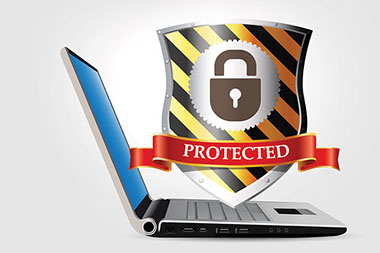
    Image of laptop with shield and lock key.

    Identity theft is a serious crime. It happens when someone steals your personal information such as your social security number or credit card numbers and uses it without your permission. You may see mistakes or mystery charges on your bank, credit card, or other account statements. You may receive bills for products or services you never received. Protect your personal information, urges the Federal Trade Commission. Get detailed information online atwww.ftc.gov/idtheft.

    *Keep your important papers secure.Limit what you carry in your wallet or purse. Pick up new checks at the bank instead of having them mailed to your home. Take outgoing mail to a collection box or the post office. Don’t leave it in your mailbox. Shred sensitive documents, receipts, credit card offers, insurance forms, checks, bank statements, and similar documents.

    *Secure your social security number.Only give it out when necessary (and ask if you can use a different kind of identification).

    *Protect your computer and mobile devices.Use anti-virus software. Don’t open files or click on links sent by strangers. Remove the memory cards from mobile devices before recycling them.

    *Protect your data online.Keep your passwords private. Don’t over share on social networking sites. If you post too much information about yourself, an identity thief can use that information to answer challenging questions on your accounts (birthdays, mother’s name, pet names, high school).

    © American Institute for Preventive Medicine

  • 4 “D”S For Avoiding Fraud

    FINANCIAL HEALTH

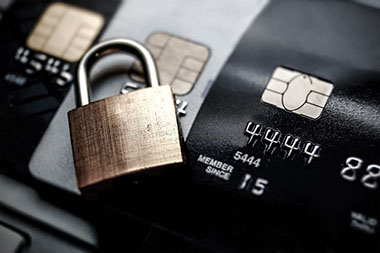
    Lock sitting on top of credit cards.

    1.  Do protect your personal information all the time. Never share your birthday, social security number, credit card number or passwords with others. No one should call or email you asking for this information.

    2.  Do stand your ground. Scammers may try to scare you by saying if you don’t give them money, you’ll be arrested or turned into the IRS. Don’t believe them. Police and government agencies don’t use phone calls to collect money.

    3.  Don’t trust caller ID. Scammers can change the caller ID to look like an official business or even a government agency.

    4.  Don’t pay someone with wire transfers or gift cards. Some scammers will tell you to wire them money or may ask you to send them gift cards. Don’t do it. A real organization would not ask you to send money this way.

    © American Institute for Preventive Medicine

  • 5 Ways To Tell Your Heart, ‘I Love You’

    MEDICAL NEWS

    Image of mother and daughter making a heart with their hands.

    You can love your heart, not just during heart month, but all year long. Let’s count the ways with Lori Daniels, MD, cardiologist at the University of California, San Diego Medical Center. She offers 5 easy ways, especially for people with heart disease, to love their hearts throughout the year.

    1.One crème brulee = 5 miles.Research shows a direct link between obesity and increased heart disease. One way to keep your weight down is to reduce the number of calories you take in and increase the number of calories you burn. So before diving into a crème brulee or double chocolate sundae, find out how many calories the dessert contains. Then determine how many miles you would need to walk to burn the calories off. On average, 100 calories are burned walking 1 mile. Is one dessert worth a 3-mile trek? You decide.

    2.Laminate.Keep an up-to-date list of medications and doctors’ contact info in your bag and car glove compartment. In an emergency, this will serve as a quick and easy reference for family and medical personnel. Be sure to share this list with friends and family before traveling in case you need to fill a prescription or get medical attention.

    3.One aspirin, crushed.Keep a supply of aspirin handy. If you have heart disease, you may already be taking some form of aspirin every day at any time you choose. If you or a friend believes you are suffering the onset of a heart attack, take either 1 adult or 2 baby aspirin. Instead of swallowing the pill whole, crush it first so that the aspirin is more rapidly absorbed into your body.

    4.Avoid salt of all colors.You may be able to greatly lower your blood pressure by reducing the sodium (salt) in your diet. Be aware that white table salt is just one form of sodium in your kitchen. Other culprits with high sodium content come in black (soy and teriyaki sauce), yellow (mustard), pink (lunch meats) and brown (canned soups and gravies.) Check the sodium content before eating a processed product. If you dramatically reduce your intake of sodium, you might, under your doctor’s care, be able to stop taking some blood pressure medications.

    5.Sunday night, count them out.Whether you take blood pressure medicine, cholesterol drugs or any other prescription or supplement, try this. Instead of managing many pill bottles, manage one pill box. Almost every pharmacy sells pill boxes marked with the days of the week. Every Sunday night, fill up one weeks’ worth of pills. Reduce the time you spend counting your prescriptions to 4 times a month instead of 30. And you’ll be able to keep track of whether you took your medicine each day.

    © American Institute for Preventive Medicine

  • Casual Smokers At Risk

    MEDICAL NEWS

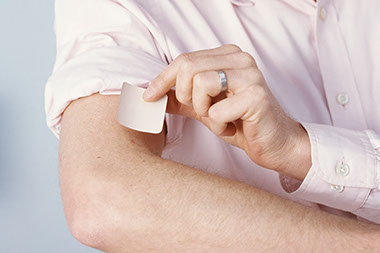
    Image of a person placing on a nicotine patch.

    People who smoke just a few cigarettes a day are exposed to the same serious health risks as heavier smokers, breaking a common myth that social or casual smoking is somehow safe or that they can easily quit.

    Casual smokers who smoke between 1 and 4 cigarettes a day, are tripling their risk of dying of heart disease and lung cancer, according to Dr. Robin J. Mermelstein, a clinical psychologist and director of the Center for Health Behavior Research at the University of Illinois at Chicago who specializes in smoking cessation counseling. Light smokers represent about 7 million of the U.S. smoking population.

    For light smokers looking to quit and stay smoke-free, Dr. Mermelstein offers the following advice:

    *Think about the reasons you smoke.It will give you a clearer path to quitting. Does smoking relieve stress? Is it a large part of your social life?

    *Get your head in the game.Get support products like nicotine replacement therapy and online help. Customized online support services provide encouragement to help you break your behavioral and psychological link to cigarettes and is proven effective in helping smokers quit.

    *Choose nicotine replacement that’s right for you.Lighter smokers may be less likely to use nicotine replacement therapy to help them quit, which means they could be setting themselves up for failure. Nicotine replacement therapies are clinically proven to reduce the physical withdrawal symptoms like cigarette cravings and can double a smoker’s chance of quitting successfully.

    For light smokers or heavier smokers, research shows the most successful approach to quitting is a combination of medicine, such as nicotine replacement patches, that can help reduce the physical cravings of nicotine, and behavioral strategies that help smokers cope with those triggers to light up. Your employer may offer some of these options.

    © American Institute for Preventive Medicine

  • Hiv And Aids – How Much Do You Know?

    MEDICAL NEWS

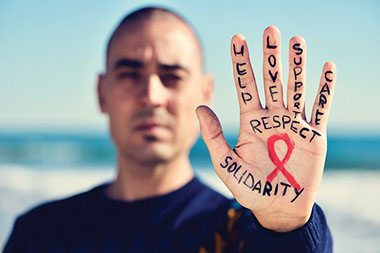
    Image of man's hold with the AIDS ribbon and words on fingers, that inlcude 'help', 'love', 'support', 'care.'

    When HIV and AIDS were first discovered, they were commonly thought to be one in the same. Nearly everyone who had HIV would eventually get AIDS. But as treatment for AIDS and HIV has continued to progress, HIV does not always turn  into AIDS.

    Today, there are special medicines called antiretroviral therapy (ART) that can help keep HIV from getting worse. These drugs can help a person live a long, healthy life with HIV, preventing them from getting AIDS later on.

    HIV: What it is and how it’s treated

    HIV stands for human immunodeficiency virus. HIV is spread through certain bodily fluids. Most commonly, it is spread through sexual contact or sharing needles.

    HIV attacks the body’s immune system, destroying the body’s cells that fight off infections. There is no cure for HIV, but there is treatment.

    Early treatment with ART is important. Someone who begins HIV treatment in the early stages of the infection can live nearly as long as someone who doesn’t have HIV.

    About 166,000 people have HIV and don’t know it. This means they aren’t getting the treatment they need to live longer and they can spread HIV to others.

    HIV is NOT spread through:

    *  Hugging or casual kissing

    *  The air, such as sneezing or coughing

    *  Mosquito or other insect bites

    Symptoms of HIV

    Within 2 to 4 weeks of getting HIV, a person may feel like they have a bad case of the flu. Symptoms include:

    *  Fever

    *  Headache

    *  Swollen glands

    *  Sore throat

    *  Body aches

    *  Rash

    These symptoms may last a few days or several weeks. Having these symptoms does not mean you have HIV.

    Some people do not feel sick at all after getting HIV. That’s why it’s important to get tested if you think you may have been exposed.

    To find an HIV testing site near you, go tolocator.hiv.gov.

    AIDS

    The last stage of an HIV infection is acquired immunodeficiency syndrome, or AIDS. Once HIV has progressed to AIDS, the body’s immune system is badly damaged. A person with AIDS may get sick often, and may get infections and cancers because the body cannot fight them off.

    Starting treatment at this late stage can still be helpful to someone with AIDS. But, it is much better to begin treatment as soon as possible after getting HIV.

    Sources: HIV.gov and Centers for Disease Control and Prevention

    © American Institute for Preventive Medicine

  • Men’s Health 2

    MEDICAL NEWS

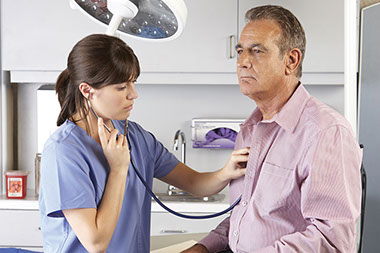
    Image of oler man at the doctor's office.

    Increasing awareness of health problems that can be prevented among men and encourage men and boys to get early detection and treatment of disease and injury.

    6 health tests men need

    Here are 6 essential screening tests all men should receive during their lifetime, according to pathologist and men’s health expert Dr. Thomas Wheeler, Baylor College of Medicine.

    1.Prostate cancer:The prostate specific antigen (PSA) test was developed to help detect prostate cancer in men, but experts now disagree about treating the cancer if detected. Men, starting at age 50, should speak with their docs about the pros and cons of screening. For those in high-risk categories, this conversation should begin at age 45 or earlier.

    2.Blood pressure:It’s a simple and painless test for the “silent killer.” Why? Because high blood pressure has no symptoms. Often, simple diet changes and regular exercise can lower blood pressure. If not, the medications to control blood pressure are well tolerated and do not cost a lot.

    3.Cholesterol:A cholesterol test also is a simple screening test and is advised for men at least every 5 years, or yearly if abnormal.

    4.Colon cancer:This is the third most common cancer in Americans. Beginning at age 50, men should be screened for precancerous polyps and colon cancer. Screening tests include the fecal occult blood test, flexible sigmoidoscopy and colonoscopy.

    5.Skin cancer:Limiting sun exposure and receiving regular check-ups can help men avoid this common cancer including melanoma – a potentially deadly form.

    6.Diabetes:Men 45 years and older should be tested for type 2 diabetes every 3 years. Common screening blood tests are fasting glucose and hemoglobin A1c. Diabetes can be detected early before complications of more advanced disease set in.

    © American Institute for Preventive Medicine

  • Simple Steps To Prevent Diabetes

    MEDICAL NEWS

    Image of man with bicycle along the beach.

    The good news is that many cases of type 2 diabetes, which account for between 90 and 95% of all adult cases of the disease, can be prevented by leading a healthy lifestyle, according to the CDC. So whether you’re flirting with pre-diabetes or just want to lower your risk, the American Diabetes Association suggests eating a balanced diet and getting regular exercise.

    Follow these tips on how to fit healthy eating and exercise into your busy day.

    *Sneak some exercise into your day.Being physically fit can lower blood sugar, blood pressure, and cholesterol by helping insulin work better. All of these factors help reduce your risk for diabetes, heart disease, and stroke. Plus, being in shape helps you feel better both physically and mentally.

    *Add exercise to your daily routine.If you don’t currently exercise on a regular basis, start with small amounts of physical activity. For instance, take a brisk 15-minute walk in the morning. Have a walking meeting with co-workers instead of meeting in a conference room.

    *Make exercise fun.Any kind of physical activity is exercise. This includes doing yard work, dancing, or walking the dog. Choose a few activities you enjoy, and take steps to fit them into your schedule. Find a workout buddy to do a few laps around the neighborhood after dinner. Make bike riding or hiking regular family activities.

    *Choose foods with a low glycemic index.The glycemic index is a measure of the effects of carbohydrates on blood sugar levels. These foods include white pasta, cookies, and crackers. They are typically made with processed white flour. When we eat these foods, it causes a spike in blood sugar. Eating these foods also tends to result in weight gain since they are often high in calories. Plus, they are often high in sodium and not very nutritious. Most Americans eat foods with a high glycemic index.

    *Cut back on your sugar intake.If you eat a lot of sugar in your diet, try to reduce sugary foods and beverages. For example, instead of soda and juice, try seltzer or water. When the craving for a cookie or piece of cake hits, try a piece of fruit instead. Some studies have shown that the natural sugar in fruit can help decrease sugar cravings.

    *Incorporate more fresh fruits and vegetables into your diet.Eating more fruits and vegetables keeps your blood pressure stable and gives you much-needed nutrients and fiber. Plus, most fruits and vegetables are low in fat and calories.

    *Choose healthy snacks.Before having a high-sugar or high-fat snack, reach for a handful of nuts, some low-fat popcorn, or whole-wheat crackers. Keep healthy snacks on hand whether you are at home, at work or on the go.

    *Remember these tips when eating out.Think of your plate as a pie chart. You should fill up half of your plate with vegetables, a fourth with protein, and a fourth with a starch or carbohydrate.

    © American Institute for Preventive Medicine

  • Ticked Off

    MEDICAL NEWS

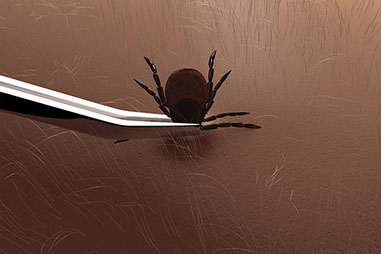
    Close up image of a tick being removed from a person's skin.

    Act fast to lower your risk for problems related to Lyme disease caused by tick bites, urges Time for Lyme, Inc.

    Have I been bitten? Lyme disease can only be transmitted from a bite by an infected deer tick, not from another person or animal, although pets commonly bring ticks into the home. All family members and pets should be inspected immediately and carefully after exposure to tick environments. You’ve been bitten if you find a tick attached to the skin. The longer it has been attached, the greater the risk of disease.

    How should I remove the tick? The proper way to remove a tick is with a set of fine-point tweezers. Do not attempt to burn the tick or use your fingers or soap or any other substance on it, as these may irritate the tick and cause it to inject bodily fluids into the wound.

    Using fine-point tweezers, grasp the tick as close to the skin surface as possible, near the head of the tick. Pull backward gently but firmly, using an even, steady pressure. Do not jerk or twist. Do not squeeze, crush, or puncture the body of the tick, as this may cause transmission of infection-causing organisms. If any mouth parts of the tick remain in the skin, leave them alone; they will come out naturally.

    If the tick is found crawling, a good way to remove it is by using a piece of tape: stick the tape to the tick and then suffocate it by sealing it into the tape. Otherwise, you can dispose of it in alcohol or flush it down the toilet. After removing the tick, wash your skin and hands thoroughly with soap and water.

    Monitor any bite site for redness that might mean a rash of Lyme disease. A bull’s-eye pattern might develop. Other typical symptoms that may develop within a few days of being bitten include headache, stiff neck, swollen glands, fatigue, dizziness, and pains that come and go.

    See your doctor if you have symptoms or concerns. Early Lyme disease is treated with antibiotics. For more information, go towww.LymeResearchAlliance.org.

    © American Institute for Preventive Medicine