Category: Uncategorized

  • Got Breakouts? Proven Tips For Clear Skin

    SELF-CARE CORNER

    Image of man looking at face in mirror.

    Acne can be an emotionally challenging condition for people of almost any age. The American Academy of Dermatology says acne affects up to 50 million people each year.

    Fortunately, there are a variety of products that can help you manage acne. If you or your child is dealing with acne, check out some of the most popular options to treat this condition.

    Salicylic acid

    What it does:Reduces redness and unclogs pores.

    Side effects:Minor redness, peeling or stinging.

    How to get it:Drugstore acne cleansers, toners, pads and creams. Dermatologists offer higher strength products and peels.

    Benzoyl peroxide

    What it does:Kills bacteria in the pores that causes acne.

    Side effects:Dryness, redness, peeling or stinging. May bleach hair or clothing.

    How to get it:Drugstore acne washes, creams and gels. Dermatologists offer products that combine benzoyl peroxide with other ingredients, such as an antibiotic.

    Retinoid

    What it does:Decreases the buildup of cells within pores.

    Side effects:Dryness, redness, peeling and burning that can be severe. Should not be used by pregnant or breastfeeding women or women who may become pregnant.

    How to get it:Only available from a dermatologist. Usually used for moderate to severe acne only.

    Antibiotics

    What it does:Kills acne bacteria on the skin.

    Side effects:Dryness and irritation. Some antibiotics can cause antibiotic resistance, especially if not used as directed by a doctor. This means the bacteria is no longer affected by the antibiotic and the medicine will no longer work correctly.

    How to get it:Only available from a dermatologist. Some antibiotics are applied to the skin. Others are taken as a pill.

    Getting breakouts under control can improve self-confidence and emotional well-being. If drugstore products don’t work for you, ask your doctor about stronger options. If your acne treatment is too drying, try a facial moisturizer labeled “non-comedogenic,” which means it won’t clog pores.

    © American Institute for Preventive Medicine
  • Teeth Grinding: Causes And Solutions

    SELF-CARE CORNER

    Image of dentist with a patient.

    Teeth grinding is a movement disorder of the jaw in which there is gnashing, grinding, or clenching of the teeth. It’s called bruxism. Often, people are unaware of their habit.

    The two primary types of teeth grinding are sleep bruxism, which occurs during sleep, and awake bruxism, which occurs when the person is awake.

    There is not a single contributing factor that results in teeth grinding or bruxism, rather it is believed to be the result of complex interactions between many factors, including stress, tension and anxiety; levels of certain chemicals in the brain; other sleep disorders such as snoring or sleep apnea; or a response to pain from earaches or teething (in children).

    “Teeth grinding is most often diagnosed by a combination of information derived from a history reported by the patient and a clinical exam performed by the patient’s dentist,” according to Dr. Erica Harvey, a representative of the Pennsylvania Dental Association.

    While some people noticeably grind their teeth, 80% make no sound, which makes bruxism even harder to discover. Common symptoms include reports of grinding noises during sleep by family members, tooth hypersensitivity, fractured, chipped or worn teeth, and waking up with a constant, dull headache or sore jaws.

    Regular dental checkups can help detect bruxism, and your dentist may recommend these methods to help stop or relieve the symptoms:

    *  Find ways to reduce your stress level and relax.

    *  Avoid or limit the amount of caffeine and alcohol you consume.

    Ask your dentist about the use of a nightguard to prevent further wear of your teeth.

    © American Institute for Preventive Medicine

  • What To Know About Whooping Cough

    SELF-CARE CORNER

    Image of man coughing.

    Pertussis, or whooping cough, is more than just an annoying cough. It is a serious and highly contagious disease. The coughing is so severe it causes those affected to gasp for air in between coughs, which make a “whooping” sound that can last for weeks or months. The cough may cause a person to stop breathing temporarily, turn blue, and even vomit. Many people are unable to eat or sleep due to the severe coughing spells. It can lead to complications, such as pneumonia, cracked ribs, and seizures. It can also be life-threatening.

    Whooping cough is on the rise in the U.S. Here’s what you should know to protect yourself and those around you.

    You can spread it before you even know you have it.

    Whooping cough may feel like you have a cold at first. This stage lasts one to two weeks. It often includes a runny nose, sneezing, low-grade fever, and a mild cough. Unfortunately, many people don’t realize they have whooping cough during this stage and can spread it to others.

    Infants under 6 months of age are the most likely to die from pertussis.

    Babies are given whooping cough vaccine at two, four and six months of age. Until they have had all these vaccines, they are more likely to catch whooping cough. The Immunization Action Coalition says babies under six months of age are the most vulnerable because they don’t yet have strong immunity to protect against it.

    Adults are the most likely to pass the infection to young infants.

    The National Foundation for Infectious Diseases (NFID) says adults are the most common source of whooping cough infection in babies.

    Even if you already had a whooping cough vaccine, you might need another one.

    Vaccines aren’t just for babies and kids. Recommendations for whooping cough vaccination have changed in recent years.

    The NFID says the following adults should be vaccinated:

    *  All adults age 19 and older need a whooping cough booster. This is called a Tdap vaccine. It also protects against tetanus and diphtheria.

    *  Pregnant women need a Tdap vaccine during the third trimester (between 27 and 36 weeks of every pregnancy).

    *  Adults of any age who may be in close contact with babies younger than 1 year of age should get a Tdap vaccine. It should be given at least two weeks before being around the baby, if possible.

    *  Health care employees in hospitals and health centers should get the Tdap.

    *  After getting the Tdap vaccine, all other adults should get the Td (tetanus and diphtheria) booster every 10 years.

    © American Institute for Preventive Medicine
  • Beat Winter Doldrums By Using A Pool Indoors

    BE FIT

    Image of smiling female standing next to indoor pool.

    If you think swimming pools are just for summer fun, think again. Winter is a great time to take advantage of an indoor pool to get some low-impact exercise. Exercising in water offers many benefits no matter what the season. Try it this winter because:

    *  It’s low impact, so it’s easy on joints that may get sore with activities like running or jumping.

    *  It helps you be more flexible. In the water, you may be able to move your arms and legs in ways that are difficult on land.

    *  Warm water pools can feel soothing, especially in cold weather.

    *  It helps people with arthritis or orthopedic/joint injuries to improve joint movement without pain or strain from traditional exercise.

    *  It offers a nice change from land exercises – and variety may help you stick with a workout.

    *  A pool workout helps keep you cool, even if you’re working hard.

    *  Water exercise may improve mood and mental well-being.

    *  Water offers natural resistance that can tone and strengthen muscles.

    Don’t swear off pool exercise because you can’t swim.

    There are many exercises that can be done in the water that don’t include traditional swimming. If you can’t swim, stick to the shallow end or wear a life jacket. Try these exercises:

    *  Walk or jog from end to end in the shallow end.

    *  Grab the edge of the pool and kick your legs from side to side.

    *  Try the “superman”: hold the edge of the pool and point your body out straight behind you. Keep your body in a straight line and hold the pose for a few seconds.

    *  Do jumping jacks in chest-deep water

    Many local fitness centers have pools for exercise and even water aerobics classes. A community center, hotel or school may offer public swim times as well.

    To help keep public pools clean and to avoid illness:

    *  Shower before and after using a pool

    *  Don’t get pool water in your mouth

    *  Don’t use the pool if you’re sick, especially if you have had vomiting or diarrhea within the last week

    *  Stay out of the pool if you have an open wound that’s not fully healed or fully covered with a waterproof bandage

    © American Institute for Preventive Medicine

  • Exercise & Health Conditions Can Mix

    BE FIT

    Image of doctor and patient talking.

    Working out isn’t easy, and if you have a health condition, exercise may seem even more difficult. In many cases, exercise is not only safe for those with health conditions – it’s recommended. Being active may improve your overall health and help you manage your condition. And, it can help you feel better too.

    Check out some of the ways exercise can help you if you have a health condition. Ask your doctor which activities are best for you.

    ARTHRITIS

    Exercise can prevent or slow some types of arthritis. In fact, it may be the most effective non-drug treatment for reducing pain and improving movement in people who have osteoarthritis (OA). Walking and water exercises are generally good choices.

    HEART DISEASE

    You can improve heart health when you move. Physical activity reduces your chance of having a heart attack or stroke. It helps your heart work better and improves blood flow. Forty minutes of moderate activity 3 to 4 times per week can lower cholesterol and blood pressure. If you have chest pain, or recently had a heart attack or a heart procedure, ask your doctor before you start exercising.

    DEPRESSION

    Depression, anxiety and high stress can be alleviated with exercise. Aerobic exercise may improve mood, sleep and self-esteem. The chemicals released during exercise have feel-good effects on the brain. Try walking, biking, aerobics or dancing.

    BLOOD SUGAR

    Working out may help manage blood sugar and diabetes. During exercise, your cells become more sensitive to insulin so it can work better. The cells are also able to lower your blood sugar. If you have diabetes, regular exercise can mean fewer diabetes medicines or less insulin. People with diabetes should ask their doctor how they can exercise safely before they begin exercise.

    ASTHMA/COPD

    Asthma and COPD (chronic obstructive pulmonary disease) can make exercise more challenging, but it’s often possible to do safely. Exercise can help manage weight, reduce stress and keep the heart healthy – all important factors with asthma and COPD. In general, people with asthma or COPD should avoid exercise when temperatures are low and air is dry or polluted. Wearing a mask over the mouth can help, and doing a proper warm-up and cool-down is also advised. Always carry your rescue inhaler when you exercise.

    Even if you don’t have a health condition, exercise to stay healthy. Regular physical activity can reduce the risk of many diseases including some cancers, and help you live longer. Talk to your doctor before you start an exercise routine.

    © American Institute for Preventive Medicine
  • Hit The Ground Running Safely

    BE FIT

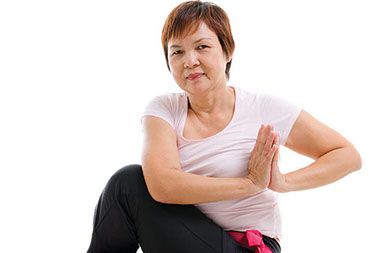
    Image of women stretching.

    If you’re ready to train for a charity 5K or more serious road running, follow this advice from Saint Louis University physical therapy professor Chris Sebelski. You’ll hit the ground running and have realistic expectations about the work ahead.

    *  Before you begin, visit your doctor for a complete overall body check-up and talk about your exercise plans.

    *  It’s easy to go overboard during the enthusiasm of planning, but be sure you accurately acknowledge your current level of fitness. If you haven’t been exercising at all, you’ll want to start with a walking/jogging mix.

    *  Consider journaling to keep track of your progress and how you feel.

    *  Make small steps and celebrate little victories.

    *  Anticipate setbacks and obstacles (a cold, an injury, caregiving) and adjust your workout.

    *  Always do something. A few minutes doing squats is better than nothing.

    *  Consume calories smartly (lean proteins, whole grains). Drink water.

    *  Cross train with yoga for stretching or Pilates to build core strength.

    *  Join friends to train. Follow each other on Facebook. Blog about your experience. Let others cheer you on.

    © American Institute for Preventive Medicine

  • Race Drinking

    BE FIT

    Image of man drinking from a water bottle.

    Nearly half of recreational runners may be drinking too much fluid during races, according to a survey of runners by Loyola University Health System researchers. Expert guidelines recommend runners drink only when thirsty. But the Loyola survey found that 36.5% of runners drink according to a preset schedule or to maintain a certain body weight and 8.9% drink as much as possible.

    Drinking too much fluid while running can cause a potentially fatal condition called exercise-associated hyponatremia. It occurs when runners drink even when they are not thirsty. Drinking too much during exercise can dilute the sodium content of blood to abnormally low levels.

    Drinking only when thirsty will prevent overconsumption of fluids. “It’s the safest known way to hydrate during endurance exercise,” said Loyola sports medicine physician Dr. James Winger. The study is in the British Journal of Sports Medicine.

    Symptoms of hyponatremia can include nausea, vomiting, headache, confusion, loss of energy, muscle weakness, spasms or cramps. In extreme cases, the condition can lead to seizures, unconsciousness, and coma.

    © American Institute for Preventive Medicine
  • The Aerobic Mile

    BE FIT

    Image of water bottle, towel and dumb bells on a mat.

    How much exercise do you need? The answer is 30 minutes most days of the week, according to government guidelines. But you can calculate your own fitness level by using the aerobic mile as your guideline.

    An aerobic mile, simply, is how much energy you expend jogging one mile. Okay, you don’t want to jog. But you can burn the same number of calories by doing other exercises. Here are some examples of activities you can do to equal one aerobic mile:

    *  Walking one mile at any pace

    *  Bicycling at a moderate pace for 12 minutes

    *  Vigorous rowing for 12 minutes

    *  Swimming for 24 minutes

    *  Tennis for 20 minutes (11 if your game is vigorous)

    *  Weight training at a moderate pace for 15 minutes

    *  Easy gardening for one hour

    *  Aerobic exercise to music, easy pace for 20 minutes

    Beginning exercisers should strive to achieve the equivalent of 6 aerobic miles a week. Those with good fitness levels can move up to 10 hours a week. High fitness levels are achieved with 15 aerobic miles each week, according to ACSM Guidelines for Exercise Testing.

    © American Institute for Preventive Medicine

  • Black Bean Burgers

    HEALTHY EATING

    Image of a black bean burger.

    Ingredients

    1 can of 15.5 ounce low-sodium black beans (drained and rinsed with cold water)

    1 large egg

    1/2 cup cooked brown rice*

    2 scallions (green and white minced, about 1/4 cup)

    2 Tablespoons chopped fresh cilantro (or basil leaves or a combination)

    1 garlic clove (peeled and minced)

    1/4 teaspoon dried oregano or basil

    1 teaspoon vegetable oil

    1/2 teaspoon salt

    1/2 teaspoon black pepper

    4 whole-wheat buns

    Directions

    1. Add beans to a bowl and mash with a fork until chunky. Add the egg and mix well.

    2. Add precooked rice*, scallions, cilantro, garlic and oregano, salt and pepper and mix until well combined.

    3. Divide the mixture into 4 portions and form each portion into a patty about ¾ to 1 inch thick.

    4. Place a large skillet on the stove on high heat. When the skillet is hot, add oil. Add burgers and cook 4 to 5 minutes per side until browned on both sides and heated throughout. Place on a whole-wheat bun.

    *Try using old-fashioned rolled oats, leftover cooked barley or Panko breadcrumbs instead of prepared rice.

    Serve with your favorite toppings, such as lettuce, tomato, guacamole, salsa, low-fat cheese or low-fat yogurt.

    Serves 4. Per serving: Calories: 274; Total Fat: 5 g; Saturated Fat: 1 g, Sodium: 668 mg; Total Carbohydrate: 47 g; Dietary Fiber: 12 g; Protein: 13 g

    Source: What’s Cooking? USDA Mixing Bowl

    © American Institute for Preventive Medicine

  • Easy Food Swaps For A Healthier You

    HEALTHY EATING

    Image of middle-aged couple preparing food in their kitchen.

    What if you could be healthier without making a bunch of drastic changes? No extreme dieting or starving, but just taking some small steps to improve your food choices. It is possible if you know which foods to eat more of, and which ones to scale back on. The American Heart Association recommends a few simple switches that can add up to better overall health:

    *  Don’t cook with butter, lard, or shortening. Use vegetable oils that are high in unsaturated fats. Great choices include olive, canola, walnut, and safflower oils.

    *  When purchasing canned soups or vegetables, look for lower-sodium or “no salt added” varieties. Choose frozen vegetables without added salt or sauces.

    *  Avoid foods with added sugar, such as canned fruits with syrup. Choose canned fruits with no sugar added and/or packed in 100 percent fruit juice.

    *  Use nonstick cooking spray instead of shortening for recipes that call for “greased” cookware.

    *  When buying bread or crackers, look for those labeled “whole grain” or “whole wheat.” These choices contain more fiber and nutrients than refined grains.

    *  Cut back on red meat by using ground turkey or chicken in place of ground beef in recipes. Turkey tacos, meatballs, or chili can be just as tasty and many people can’t tell the difference.

    These simple tips can help you cut back on saturated fat, excess sugar and sodium. This adds up to great health benefits without having to change your eating habits entirely.

    © American Institute for Preventive Medicine