Category: Uncategorized

  • Olive Oil

    HEALTHY EATING

    Image of olives and olive oil.

    Olive oil is a more healthful choice than many other cooking fats. Using olive oil in place of saturated fats has been shown to help lower bad cholesterol and raise good cholesterol levels, which is why olive oil is heart healthy.

    Know these facts about olive oil, from the North American Olive Oil Association:

    *  Extra virgin olive oil is the most flavorful olive oil, with an unlimited range of flavors spanning from smooth and subtle to peppery and pungent. A finishing drizzle of extra virgin olive oil can enhance the texture, taste, and aroma of food.

    *  Olive oil, sometimes referred to as “classic” or “pure” olive oil, has a milder flavor with just a hint of fruitiness. The subtle flavor of olive oil makes it a perfect everyday cooking oil and easily adapts to a number of cooking methods such as grilling, sautéing, roasting, frying, and baking.

    *  Use bottled olive oil within 8 to 12 weeks of opening. Sealed packages can keep for up to 2 years.

    *  Dark bottles or tins are best at reducing potential damage from light.

    *  Avoid packages that show signs of improper handling or storage such as dust on the bottle, broken or loose seal on the cap, or an orange tint to the oil, which could indicate overexposure to fluorescent lighting or that heat has damaged the oil.

    *  Look for a country of origin statement, which is required by federal labeling laws and is typically found on the back label near the nutritional information.

    © American Institute for Preventive Medicine
  • Spice Up Your Life

    HEALTHY EATING

    Image of different spices.

    If you’re cutting back on salt to control blood pressure, the Spice Islands Test Kitchen has developed 5 tips to boost flavor in food:

    *Increase the amount of herbs when reducing salt.For a great flavor punch, increase your spice and herbs by 25% when reducing or eliminating salt in a recipe.

    *Crush herbs to release all flavor.For leafy herbs such as rosemary and leaf oregano, lightly crush the herbs to bring out maximum flavor.

    *For soups and stews, reduce the salt and add spices last.For long-cooking soups and stews, reduce the salt. Save about a fourth of the spices called for and add them at the end of cooking. This will give a more intense flavor to the dish.

    *Add herbs early in no-cook meals.For salad dressings, fruit dishes, or other no-cook foods, add herbs and spices several hours before serving so flavors can develop and blend. For salad dressings, add seasonings to the vinegar and let stand before adding the oil.

    *Give dried spices a boost.If a recipe calls for fresh herbs and you have dried on hand, simply use a third to a half as much dry for fresh.

    © American Institute for Preventive Medicine
  • Tips For Keeping A Food Diary

    HEALTHY EATING

    Image of young man writing in a journal.

    If you’re trying to lose weight or simply want to eat healthier, keeping a food diary can help. Often times, we eat little bites here and there that don’t seem like much, but calories from them can add up quickly. A food diary will help you see everything you eat and drink so you can be more aware of extra calories or unhealthy choices. It can also help you see if you are eating because of stress or emotions. Then, you can find ways to stop these habits.

    A food diary doesn’t have to be complicated. Food diary apps are available, but they’re not necessary. The American Academy of Family Physicians and the CDC say you should write down these things:

    *  What you ate and drank

    *  The time you ate meals and snacks

    *  Where you ate and any other activity you were doing (watching TV, checking emails, etc.)

    *  Who you were with

    *  How you were feeling (before, during, and after eating)

    Don’t rely on your memory at the end of the day. It’s too difficult to remember every bite or sip. Instead, have the diary with you and write things down as soon as you can. Being honest and taking note of everything you eat and drink can help you see your eating patterns and pinpoint ways you can make healthy changes.

    © American Institute for Preventive Medicine

  • What Really Are Antioxidants?

    HEALTHY EATING

    Image of different sources of antioxidants.

    Antioxidants play an important role in overall health. They are natural compounds found in some foods that help neutralize free radicals in our bodies.

    Free radicals are substances that occur naturally in our bodies but attack the fats, protein, and the DNA in our cells, which can cause different types of diseases and accelerate the aging process, according to Claudia Fajardo-Lira, professor of food science and nutrition at California State University-Northridge.

    The best antioxidant sources are fruits and vegetables, as well as products derived from plants. Some good choices include blueberries, raspberries, apples, broccoli, cabbage, spinach, eggplant, and legumes like red kidney beans or black beans.

    They’re also found in green tea, black tea, red wine, and dark chocolate. Usually, the presence of color indicates there is a specific antioxidant in that food.

    The keyword here is variety. Try to get as many fruits and vegetables with different colors when you plan your meals and go to the grocery store. An array of color in your diet will give you the widest range of helpful antioxidants.

    Antioxidants added to foods are as effective as those that occur naturally. Vitamins such as C, A, and E can be added to foods-and they often are, such as in orange juice.

    It’s important not to overdo it on vitamin supplements because there can be too much of a good thing. With food alone, it would be extremely difficult to consume too many antioxidants.

    The MyPlate tool based on the Dietary Guidelines for Americans recommends that you make half your plate fruits and vegetables. If you aim to do that at most meals, you can be sure to get the antioxidants you need, recommends the Institute of Food Technologists.

    © American Institute for Preventive Medicine

  • Do You Need Property Insurance?

    FINANCIAL HEALTH

    Image of chalkboard drawing of house with hands protecting it from weather elements.

    Homeowner’s and renter’s insurance are types of property insurance. Although property insurance offers important coverage, many people don’t have it or don’t understand why it’s needed.

    Each policy is always somewhat different. But, both homeowner’s and renter’s insurance may cover:

    *  Damage to your house, garage or other buildings on your property

    *  Loss of furniture or other property due to theft

    *  Additional living costs if you have to move out during repairs

    *  Liability for accidents and injuries that happen on your property (for people other than you or your family)

    *  Coverage for special valuables, such as jewelry, collector’s items and other items that would be costly to replace

    Renters should not assume that the landlord carries insurance for them. Often, this is not the case. Most people who get a mortgage for a home will be required to purchase homeowner’s insurance.

    Property insurance policies can vary widely in cost and coverage. It pays to spend some time shopping around to different companies. Find the coverage you need at a price that works for you.

    Find out more about how much coverage you might need. Visit the National Association of Insurance Commissioners website atwww.naic.org.

    © American Institute for Preventive Medicine
  • Smart Ways To Avoid Cybercrime

    FINANCIAL HEALTH

    Close up image of hands typing on laptop.

    Cybercrime is a growing problem as we rely on computers and the Internet more than ever before. Many people regularly shop online, send personal information, and even control appliances or household security over the Internet.

    Though this offers convenience, it’s important to take steps to keep your information and your family safe from cybercrime. Cybercrime happens every day with hackers stealing bank information, using computers to attack others, or erasing important online information.

    The U.S Department of Homeland Security recommends:

    *  Only use the Internet on a network that is password protected. Free or open networks may leave you vulnerable.

    *  Do not send personal information, such as your social security number or bank information, over the Internet. Companies will not ask you to send information this way.

    *  Do not open or respond to emails from people you don’t recognize and never click on the links inside the email.

    *  Use long, hard-to-guess passwords for all your devices and email accounts. Change your passwords regularly.

    *  Consider scaling back your social media sharing. Tighten privacy settings so only people you know well can see your activity.

    *  If you see an email or online offer that seems too good to be true, it’s probably a scam.

    © American Institute for Preventive Medicine

  • Bad Air Day

    MEDICAL NEWS

    Image of women sneezing.

    Ozone. It’s an invisible gas but it pollutes the air and may make it harder for you to breathe.

    Ozone is created when sunlight triggers a chemical reaction between oxygen-containing molecules and pollution that comes from cars, power plants, factories, and other sources, says the NIH News in Health. Hot weather is one of the triggers for the creation of ozone. It’s not as much of a problem in winter, say the NIH scientists.

    High levels of ozone might cause you to cough or have throat irritation. Your eyes might water, and you may have trouble breathing. The ozone irritates the lining of your airways and lungs. If you have a lung condition such as asthma, the damage can be greater.

    Adjust your activities on a bad air day to reduce your exposure to air pollution and stay indoors. Limit outdoor activities. Even if you’re in good health, mow the lawn or take a run or walk later in the evening or first thing in the morning. Ozone levels tend to peak between mid-afternoon and early evening. You can track air quality atwww.airnow.gov.

    © American Institute for Preventive Medicine
  • Ebola Facts

    MEDICAL NEWS

    Illustration of ebola symptoms.

    Although the risk of Ebola spreading in the U.S. is low, the CDC offers this information about a scary disease. A person infected with Ebola-a disease outbreak in countries in West Africa and isolated cases in the U.S.-can’t spread the disease until symptoms appear.

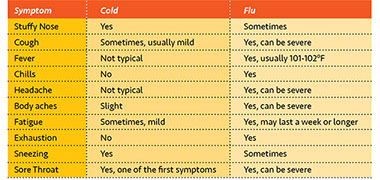
    The time from exposure to when signs or symptoms of the disease appear (called the incubation period) is 2 to 21 days, but the average time is 8 to 10 days. Signs of Ebola include fever (higher than 101.5ºF) and severe headache, muscle pain, vomiting, diarrhea, stomach pain, or unexplained bleeding or bruising.

    Ebola is spread through direct contact with blood and body fluids.

    Ebola is spread through direct contact (through broken skin or through your eyes, nose, or mouth) with:

    *  Blood and body fluids (like urine, feces, saliva, vomit, sweat, and semen) of a person who is sick with Ebola.

    *  Objects (such as needles) that have been contaminated with the blood or body fluids of a person sick with Ebola.

    There is no FDA-approved vaccine available for Ebola. Experimental vaccines and treatments are under development. You can protect yourself against Ebola.

    *  DO wash your hands often with soap and water or use an alcohol-based hand sanitizer.

    *  Do NOT touch the blood or body fluids of people who are sick.

    *  Do NOT handle items that may have come in contact with a sick person’s blood or body fluids, such as clothing, bedding, needles, or medical equipment.

    *  Do NOT touch the body of someone who has died of Ebola.

    Ebola is NOT spread through the air, water, or food.

    If you have traveled to an area with an Ebola outbreak or had close contact with a person sick with Ebola, you may be at risk.

    © American Institute for Preventive Medicine
  • 6 Steps To A Healthier Heart

    MEDICAL NEWS

    Image of hearts hanging from a string.

    It’s never too late to start living a healthier life. A few simple steps can put you on the path to a younger heart age and better overall health. Consider these tips to get started:

    1.If you smoke, quit.Quitting can be hard and often requires help and support. Talk with your doctor or go online to find a number of free resources to help you. Check outsmokefree.govorlung.org/stop-smoking.

    2.See your doctor to get your blood pressure and cholesterol checked.Uncontrolled high blood pressure and high cholesterol increase your risk of heart attack and stroke. You won’t know if you’re at risk until you get tested because there are no symptoms.

    3.Take your medicines as your doctor advises.You may have medicines to control  high blood pressure or cholesterol. Don’t stop taking them without talking with your doctor.

    4.Get regular exercise.Walking, biking, and swimming are great choices to keep your heart healthy. Try to exercise for 30 minutes, five  days a week.

    5.Focus on a heart-healthy diet.This includes lots of fresh fruits and vegetables, whole grains, and lean protein like chicken and fish. Minimize foods like fried foods, fast food, and sugary desserts.

    6.Aim for a healthy weight.Calculate your BMI online, or talk with your doctor. Losing just 5 to 10 pounds has heart benefits.

    By adopting these heart-healthy habits, you can reduce your heart age. You’ll have a lower risk of heart attack, stroke, type 2 diabetes, and other health problems.

    © American Institute for Preventive Medicine

  • Pap Smear Needed Even With Hpv Vaccine

    MEDICAL NEWS

    Image of women talking with her doctor.

    HPV (human papillomavirus) vaccines that are often recommended to help prevent infections related to cervical and other cancers should not discourage women from also getting a Pap smear, UT Southwestern Medical Center cancer experts said.

    “Women should continue to be screened even if they have undergone HPV vaccination. The vaccine does not target all types of HPV that cause cancer. It is intended to reduce the risk of cancer, but has not been proven to eliminate the need for screening,” explains Dr. Jayanthi Lea.

    Unless you have a history of precancerous lesions, cancer, immune deficiency, or other risks, testing every three years between ages 21 and 65 is sufficient, Dr. Lea said. “There is also the option of combining a Pap test with HPV testing for women over age 30. Screening this way is typically performed every five years.”

    © American Institute for Preventive Medicine