Category: Uncategorized

  • Let’s Move

    BE FIT

    Image of women ice skating.

    Tis the season to-get active. Here are a few activities and steps suggested by the government’s “Let’s Move” initiative for active families:

    *  Give children toys that encourage physical activity such as balls, kites, and jump ropes.

    *  Encourage children to join a sports team or try a new physical activity.

    *  Limit TV time and keep the TV out of a child’s bedroom.

    *  Allow a safe walk to and from school a few times a week.

    *  Walk around the block after a meal.

    *  Make a new house rule: no sitting still during TV commercials.

    *  Find time to spend together doing  a fun activity: family park day, swim day, or bike day.

    *  Issue a family challenge to see who can be the first to achieve a physical activity goal.

    *  Encourage schools to hold recess before lunch to increase physical activity before mealtime.

    *  Volunteer to help with after-school physical activity programs or sports teams.

    © American Institute for Preventive Medicine
  • So How (Exactly) Does Exercise Help The Heart?

    BE FIT

    Image of older man in the swimming pool.

    Exercise benefits the heart by decreasing its workload. Exercise improves the ratio between the heart’s demand for oxygen and its supply through the coronary arteries.

    With exercise, the heart gets stronger because it gets bigger and is able to pump more efficiently, according to Joseph Libonati, PhD, associate professor of nursing at Penn Nursing and a cardiac physiology expert.

    Exercise allows your heart to push out a greater volume of blood with every beat and it does so at a lower heart rate. It also improves the blood flow to the heart by improving the heart’s ability to have its coronary blood vessels dilate. Together, these changes improve both the supply and demand of the heart.

    How does exercise lower high blood pressure?

    Exercise helps lower high blood pressure by improving the ability of your blood vessels to dilate (grow larger), making the pressure on those vessels less. Exercise also improves your blood sugar levels and makes you leaner. This allows your heart to pump blood at lower pressures, thereby making your heart work less.

    What exercise is best for the heart?

    Using large muscle mass repetitively is best for heart health. Think about the acronymFIT:

    F– Frequency (5 days a week)

    I– Intensity (if you can talk, you’re at the right intensity)

    T– Time (30 to 60 minutes/day)

    Why is exercise important as you age?

    Exercise is important to maintaining healthy bones and muscles. As you age, you start to have smaller muscles and weaker bones. Activities that maintain muscles and bone mass help you age with a greater ability to function.

    Resistance training or weight training is a good way to maintain bone mass, so making this type of exercise part of your daily routine is important into your 40s and beyond. Also, maintaining muscle mass helps the body’s metabolism and can reduce the risk of obesity, diabetes, and high blood pressure.

    © American Institute for Preventive Medicine

  • 4 “S”S Of An Exercise Plan

    BE FIT

    Image of athletic shoes and a bottle of water.

    1.Sweat.Walking, jogging, stair climbing or biking are aerobic exercises. They get your heart pumping and your body sweating. These exercises are good for heart health and help to shed pounds.

    2.Strengthen.You don’t have to lift weights to get healthier muscles. Push-ups, using a resistance band, or lifting cans of soup will help tone your muscles. These exercises help build stronger bones, too.

    3.Stay still.Balance is an important way to help prevent falls and make you more coordinated. Try standing on one leg, using an exercise ball, or practicing yoga or tai chi.

    4.Stretch.Muscles need to be flexible to help prevent injury or soreness. Stretch gently after each workout as part of your cool-down.

    © American Institute for Preventive Medicine
  • Apple Cider Vinegar: A Miracle Cure?

    HEALTHY EATING

    Image of apple cider vinegar.

    The belief that apple cider vinegar is a “cure-all” has been circulating in recent years on numerous websites and promoted by natural health groups. But, can it really cure diseases and keep you healthy?

    Some say apple cider vinegar helps you lose weight, control blood sugar and improve digestion. Unfortunately, these health claims have not been proven by any valid research study. And, using it in place of medications or healthy lifestyle changes can be downright dangerous.

    In addition, people with heartburn or gastroesophageal reflux disease (GERD) may find that vinegar actually makes their reflux worse. Drinking too much of it can also damage tooth enamel.

    The bottom line: Most healthy people can enjoy apple cider vinegar in food without any problems. But, don’t use it, or any natural remedy, to cure diseases. Always ask your doctor before you try any natural remedy or supplement to be sure it’s safe for you.

    © American Institute for Preventive Medicine

  • Cinnamon Supplement May Help Ease Common Cause Of Infertility

    HEALTHY EATING

    Image of cinnamon supplement.

    A small study found that women with polycystic ovary syndrome who took low-cost daily 1,500-milligram cinnamon supplements had about twice the menstrual cycles over a six-month period compared to women with PCOS who were given a placebo. Having regular menstrual cycles increases the likelihood of pregnancy. Researchers from Columbia University Medical Center in New York City did the study.

    Polycystic ovary syndrome “is one of the most common causes why women don’t have regular menstrual cycles,” said study author Dr. Daniel Kort. “But the clinical consequences later in life are truly great-from an increased risk of diabetes and glucose intolerance to endometrial cancer. Many women can go their whole lives without regular menstrual cycles, and it doesn’t necessarily bother them until they want to have children.”

    “There is a lot of interest in homeopathic or natural remedies for this condition,” said Kort, a postdoctoral fellow in reproductive endocrinology at the medical center. “This may be something we can do using a totally natural substance that can help a large group of patients.”

    © American Institute for Preventive Medicine
  • Fall Foods Fight Cancer

    HEALTHY EATING

    Image of pumpkin soup.

    The harvest bounty should end up on your dinner table. Stacy Kennedy, a senior nutritionist at Dana-Farber Cancer Institute in Boston, says many fruits and vegetables are at their nutritional peak in the fall so it’s a great time to incorporate them into a healthy diet.

    Kennedy shares the ABC’s of fall foods:

    *“A” is for apple.Studies suggest that eating at least one apple a day can help prevent some types of cancer. Besides being crisp, sweet, and juicy, apples contain quercetin, a nutrient that protects the cells’ DNA from getting damaged. This damage could lead to cancer. Eat apples raw with the skin on because that’s where many of the nutrients are found.

    *“B” is for berries-cranberries.Eat cranberries year-round. Cranberries contain benzoic acid, which has been shown to inhibit the growth of lung cancer, colon cancer, and some forms of leukemia. Buy bags of fresh cranberries now, while they are in season and at their nutritional peak, and pop them in the freezer for later use. This will help ensure that the berries will provide the highest level of cancer protection whenever they’re used.

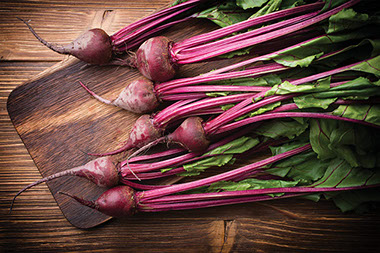
    *“C” is for color.Just like the leaves on the trees, fall is a time for colorful vegetables like beets, carrots, and parsnips. They add a burst of color and taste. The brighter and richer the pigment, the higher the level of cancer- fighting nutrients.

    *“D” is for dark leafy vegetables.Kale is a top choice because it’s rich in phytonutrients called indoles, which stimulate liver detoxification and help fight cancer. Other members of the cruciferous family include broccoli, cabbage, and Brussels sprouts.

    *“E” is for everything orange.Pumpkins, squash, carrots, and sweet potatoes are all packed with a cancer-fighting nutrient called carotenoid. Kennedy stresses that pumpkin isn’t just for pies. She suggests eating it year round by adding it to soup, smoothies, pancake batter and even raviolis.

    FYI: Tomatoes and plastic

    To keep your plastic storage containers from becoming discolored from acidic tomato products, spray with a non-stick cooking spray first, then place your food items inside. This food prep advice is from the extension experts at the University of Nebraska-Lincoln.

    © American Institute for Preventive Medicine

  • Grilled Fish Tacos

    HEALTHY EATING

    Image of grilled fish tacos.

    Ingredients

    For the salsa:

    1 can of peach halves

    1/2 red bell pepper

    1/4 red onion

    1 whole jalapeno pepper

    1 Tablespoon fresh cilantro

    2 teaspoons lemon juice

    In a medium bowl, stir together chopped peaches, bell pepper, onions, jalapenos, cilantro and lemon juice; cover and refrigerate until ready to use.

    For the fish:

    4 tilapia fillets (about 1 lb)

    1 Tablespoon chili powder

    1/4 teaspoon low-sodium adobo seasoning

    1 packet low-sodium sazon seasoning

    8 flour tortillas (6″ diameter, warmed)

    Directions

    1. In a small bowl, stir together chili powder, adobo seasoning and sazon packet. Rub fish with spice mixture to coat completely.

    2. Place fish on hot greased grill grates.

    3. Cook, flipping once until fish is opaque and flakes easily with a fork (145 degrees Fahrenheit), about 8 minutes.

    4. Thinly slice fish. To serve, fill each tortilla with 1/2 fish fillet and about 1/3 cup of salsa.

    Serves 4: Per serving: Calories: 330; Total Fat: 5 g; Saturated Fat: 2 g; Sodium: 380 mg; Total Carbohydrate: 44 g; Dietary Fiber: 3 g; Protein: 27 g

    Source: What’s Cooking? USDA Mixing Bowl

    © American Institute for Preventive Medicine

  • The Importance Of Portions: Size Matters

    HEALTHY EATING

    Image of 2 bagels.

    If it seems like food portions are bigger today than they were years ago, it’s not your imagination. Health experts say that food sizes – and obesity rates – have grown in the last 20 years. Focusing on healthy foods is important. But portion sizes are also an important factor to think about when you eat. Whether it’s a cookie or a plate of spaghetti, how much you eat is just as important as what you eat. After all, the total calories you consume each day can mean the difference between gaining weight and losing it.

    Reality check: Portions are bigger today

    Take a look at these food comparisons, and find out what you need to do to burn off those extra calories.

    Bagel

    20 years ago: 140 calories, 3-inch diameter

    Today: 350 calories, 6-inch diameter

    Calorie difference: 210 calories

    You have to rake leaves for 50 minutes to burn the extra 210 calories. (Based on 130-pound person)

    Cheeseburger

    20 years ago: 330 calories

    Today: 590 calories

    Calorie difference: 260 calories

    You have to lift weights for 1.5 hours to burn the extra 260 calories. (Based on 130-pound person)

    Soda

    20 years ago: 85 calories, 6.5 ounces

    Today: 250 calories, 20 ounces

    Calorie difference: 165 calories

    You have to work in the garden for 35 minutes to burn 165 calories. (Based on 160-pound person)

    Source: National Heart, Lung, and Blood Institute Obesity Education Initiative

    © American Institute for Preventive Medicine

  • Organic? Comparing Apples To Apples

    HEALTHY EATING

    Image of couple at grocery store picking out peppers.

    Should you spend the extra cents to buy organic produce? Is organic a healthier choice? New findings from Stanford University cast some doubt on the benefits of buying organic.

    “There isn’t much difference between organic and conventional foods, if you’re an adult and making a decision based solely on your health,” said Dr. Dena Bravata from Stanford’s Center for Health Policy. The study compares the nutrition of organic and non-organic foods and is published in the Annals of Internal Medicine.

    This is the broadest study to date comparing organic and conventional foods. The researchers did not find strong evidence that organic foods are more nutritious or carry fewer health risks than conventional options, though consumption of organic foods can reduce the risk of pesticide exposure.

    The popularity of organic products, which are generally grown without synthetic pesticides or fertilizers or routine use of antibiotics or growth hormones, is skyrocketing in the United States. Organic foods are often twice as expensive as their conventionally grown counterparts.

    Although there is a common perception-perhaps based on price alone-that organic foods are better for you than non-organic ones, it remains an open question as to the health benefits.

    The researchers found no consistent differences in the vitamin content of organic products, and only one nutrient-phosphorus-was significantly higher in organic versus conventionally grown produce (and the researchers note that because few people have phosphorous deficiency, this has little clinical significance).

    There was also no difference in protein or fat content between organic and conventional milk, though evidence from a limited number of studies suggested that organic milk may contain significantly higher levels of omega-3 fatty acids.

    The review yielded scant evidence that conventional foods posed greater health risks than organic products. While researchers found that organic produce is 30 percent less likely to be contaminated with pesticides than conventional fruits and vegetables, organic foods are not necessarily 100 percent free of pesticides. What’s more, as the researchers noted, the pesticide levels of all foods fell within the allowable safety limits.

    “If you look beyond health effects, there are plenty of other reasons to buy organic instead of conventional,” noted Dr. Bravata. She listed taste preferences and concerns about the effects of conventional farming practices on the environment and animal welfare as some of the reasons people choose organic products.

    © American Institute for Preventive Medicine
  • Spooky And Not-So-Spooky Halloween Treats

    HEALTHY EATING

    Image of a brother and sister dressed for Halloween.

    Worst

    *  Chewy/sticky sweets, such as gummy candies, taffy, and even dried fruit can be difficult for children and adults to resist, and even more difficult to remove from teeth. They get stuck in the crevices between teeth, making it nearly impossible for saliva to wash them away.

    *  Sour candies are highly acidic and can break down tooth enamel quickly. The good news: Saliva slowly helps to restore the natural balance of the acid in the mouth. Wait 30 minutes to brush your teeth after consuming sour/acidic candies; otherwise, you are brushing the acid onto more tooth surfaces and increasing the risk of enamel erosion.

    *  Sugary snacks, including candy corn, cookies, and cake, all contain high amounts of sugar, which can cause tooth decay.

    Best

    *  Sugar-free lollipops stimulate saliva, which can help prevent dry mouth that leads to tooth decay.

    *  Sugar-free gum can actually prevent cavities as it not only dislodges food particles from between the teeth but also increases saliva-which works to neutralize the acids of the mouth and prevent tooth decay.

    *  Dark chocolate and its antioxidants can be good for the heart and may even lower blood pressure.

    As always, monitor your children’s candy intake this Halloween and all year round. Kids should be brushing their teeth twice a day for 2 minutes, the Academy recommends.

    © American Institute for Preventive Medicine