Category: Personal Safety

  • How To Steer Clear Of Drunken Drivers

    Personal Safety

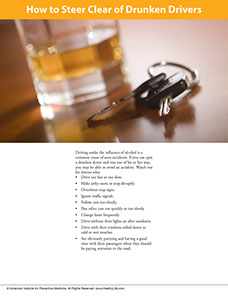
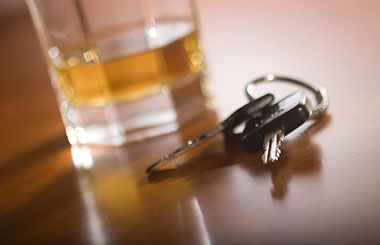
    Image of keys and a glass of alcohol in the background.

    Driving under the influence of alcohol is a common cause of auto accidents. If you can spot a drunken driver and stay out of his or her way, you may be able to avoid an accident. Watch out for drivers who:

    *  Drive too fast or too slow.

    *  Make jerky starts or stop abruptly.

    *  Overshoot stop signs.

    *  Ignore traffic signals.

    *  Follow cars too closely.

    *  Pass other cars too quickly or too slowly.

    *  Change lanes frequently.

    *  Drive without their lights on after sundown.

    *  Drive with their windows rolled down in cold or wet weather.

    *  Are obviously partying and having a good time with their passengers when they should be paying attention to the road.

    A Year of Health Hints book by the American Institute for Preventive Medicine. www.HealthyLife.com. All rights reserved.

    © American Institute for Preventive Medicine

  • Lawn Mower Safety

    Personal Safety

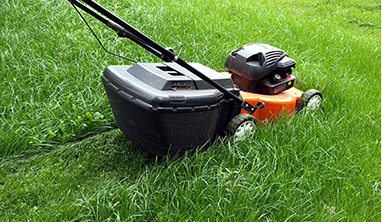
    Image of lawn mower cutting the grass.

    Getting sliced by a lawn mower blade and being hit by rocks or other propelled objects are the two most common lawn mower-related injuries. (Mower blades rotate at nearly 200 miles per hour, and seemingly harmless sticks and stones often become dangerous missiles when picked up and hurled at that speed.) To mow grass safely:

    *  Before you start to mow, clear the lawn of sticks, stones, toys, garden hoses, and so forth.

    *  Don’t use electric mowers on wet grass.

    *  Wear heavy-duty shoes and long pants to protect your legs.

    *  Wear safety goggles to protect your eyes. Wear ear protectors (like those worn on shooting ranges) to protect your hearing.

    *  Push the mower, never pull it (if you have a push mower).

    *  Mow across a slope, not up or down, so the mower doesn’t slide or fall on top of you. Look several feet ahead when mowing.

    *  Turn off the engine if you have to check the blade, or clean or adjust the mower. Never fuel a lawn mower when the engine is hot. Spilled fuel or fumes can result in an explosion or fire. Instead, allow the engine to cool before refueling.

    *  Never allow children to operate a power mower, and keep small children far away from a mower that’s in use.

    A Year of Health Hints book by the American Institute for Preventive Medicine. www.HealthyLife.com. All rights reserved.

    © American Institute for Preventive Medicine

  • Never Cycle Without A Helmet

    Personal Safety

    (and Other Tips for Safer Biking)

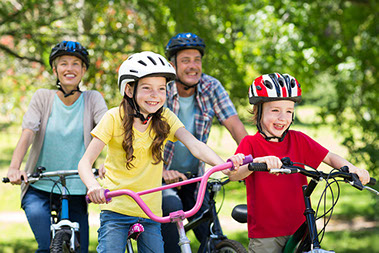
    Image of family riding bikes with helmets on.

    Wearing a helmet is the single most important thing you can do to prevent serious injury from bicycle accidents. Other injury-preventive measures include wearing gloves, choosing the right size bike, and riding on well- maintained roads. But wearing a helmet is still critical.

    Not just any helmet will do, however. Look for the following features.

    *  Outer layer or shell that is bright yellow, white, orange, or red (so motorists can see you more easily), and is constructed of hard plastic or polycarbonate.

    *  Waterproof finish.

    *  Stiff polystyrene lining.

    *  Securely attached nylon strap and fastener.

    *  A label signifying that the American Standards Institute or the Snell Memorial Foundation has certified the helmet as safe.

    Whatever your cycling style, don’t sacrifice safety for thrills. To be sure your equipment is safe and reliable:

    *  Choose a bike that’s right for your size. When seated, you should be able to put one foot on the ground without leaning the bike to one side or the other.

    *  Brakes should be in good working order-that is, enabling you to stop within 15 feet while riding at 10 miles per hour.

    *  Check tires for worn spots, punctures, or other signs of wear. Fix or repair, as needed.

    *  By law, all bicycles must have red reflectors, visible for 500 feet, on the sides, rear, and pedals.

    *  The bicycle should have headlights.

    *  Rearview mirrors are optional, but helpful.

    Additional tips every bicyclist should bear in mind:

    *  Obey all traffic laws, just as you would if you were driving a car. (Ride with traffic, not against it; observe traffic signs and signals; stay to the right; maintain a safe following distance between you and the vehicle ahead of you; and use hand signals for turning.)

    *  Look behind you before turning or changing lanes.

    *  Consider walking your bike across intersections not governed by traffic signals, especially if traffic is heavy.

    *  Whenever possible, choose routes over smooth pavement.

    *  Drive defensively, anticipating the actions of motorists, pedestrians, and other bikers.

    *  Keep your eyes on the road. Watch for potholes, parked cars, and children or animals entering your path.

    *  Pay attention. Don’t listen to a portable radio or tape player while riding.

    *  Don’t B.W.I.-bike while intoxicated. It’s just as risky as driving under the influence of alcohol or drugs.

    The above rules apply whether you’re biking for exercise, sport, or transportation.
    A Year of Health Hints book by the American Institute for Preventive Medicine. www.HealthyLife.com. All rights reserved.

    © American Institute for Preventive Medicine

  • A Safer Way To Shovel Snow

    Personal Safety

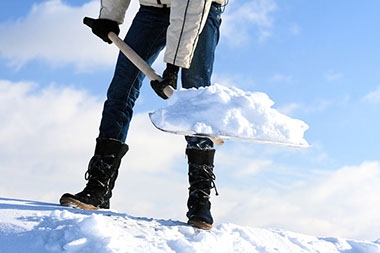
    Image of a person shoveling snow.

    Many people know that shoveling snow can put many at risk for back injury or a heart attack, but think, “It won’t happen to me” and shovel anyway.

    Shoveling snow strains the back, because you bend at the waist to lift a load. And shoveling can trigger a heart attack in three ways. The increase in activity requires your heart to work harder. Also, without realizing it, you may hold your breath as you lift, which can trigger a sudden rise in heart rate and blood pressure. And cold weather causes blood vessels to constrict, so the heart has to pump more blood.

    If you have a history of back problems or heart problems, don’t shovel snow, period. Have someone else do it. If you’re over age 40 and overweight, if you have high blood pressure, if you smoke, or if you lead a sedentary life, check with your doctor before lifting a shovel.

    The following hints can help make a tough job easier, even if you’re not at special risk for back or heart problems.

    *  Dress properly. Protect your head and hands from the cold, and don’t bundle up so much that you overheat or can’t move freely.

    *  To prevent back strain, keep your knees slightly bent and both feet planted firmly on the ground or pavement.

    *  Consider removing snow with a snowblower or plow instead of a shovel-it’s far less stressful and gets the job done quickly.

    A Year of Health Hints book by the American Institute for Preventive Medicine. www.HealthyLife.com. All rights reserved.

    © American Institute for Preventive Medicine