Category: Self-Care Corner

  • The Importance Of Proper Eye Care

    SELF-CARE CORNER

    Image of older women getting her eyes check by an eye doctor.

    Many people don’t think about their eyes until they start to hurt or develop a problem. But even if your eyes feel fine, they need proper care to keep them healthy. Follow the advice of the National Eye Institute:

    Get regular eye exams.

    Your doctor can recommend a schedule for you, depending on your age and other health factors. Many common eye diseases, such as glaucoma, diabetic eye disease and age-related macular degeneration, don’t have obvious symptoms. An eye exam can find these problems early, when they’re most treatable.

    Eat a healthy diet.

    Your eyes benefit from a diet rich in fruits, vegetables and omega-3 fatty acids. Talk with your doctor about the right diet for you.

    Keep them shaded.

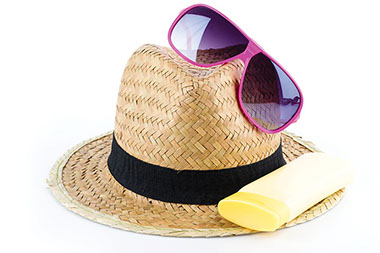
    Wear sunglasses that have at least 99 percent UVA and UVB protection when you’re outside.

    Don’t smoke.

    Smoking hurts your health in many ways, including your sight. It increases your risk of eye problems that can lead to blindness. It’s never too late to quit. For free resources to help you quit, visitsmokefree.gov.

    Protect your eyes.

    Cover your face and eyes with goggles or a full-face mask when playing sports or doing work. Wear safety goggles when working with power tools and sharp objects. Follow your employer’s guidelines for wearing eye protection. Encourage your coworkers to do the same.

    Know your family history.

    If there are eye problems in your family, tell your doctor.

    © American Institute for Preventive Medicine

  • When To Brush Your Teeth

    SELF-CARE CORNER

    Image of soda in a glass.

    Consuming acidic foods and beverages, such as sports and energy drinks, citrus fruits, wine, and tomatoes, can erode tooth enamel-the glossy outer layer of the tooth. Brushing your teeth too soon after eating and drinking these items can cause more damage because you are essentially brushing the acid into the teeth, not getting rid of it, say experts at the Academy of General Dentistry. Instead, you should rinse your mouth with water after consuming acidic foods and beverages and wait at least 30 minutes before brushing your pearly whites!

    © American Institute for Preventive Medicine

  • 10 Habits For Healthy Weight

    SELF-CARE CORNER

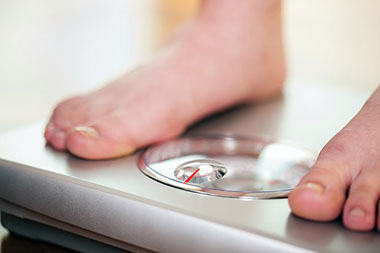
    Image of feet on a scale.

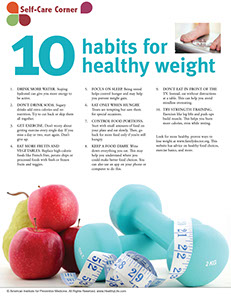
    1.  Drink more water. Staying hydrated can give you more energy to be active.

    2.  Don’t drink soda. Sugary drinks add extra calories and no nutrition. Try to cut back or skip them all together.

    3.  Get exercise. Don’t worry about getting exercise every single day. If you miss a day or two, start again. Don’t give up.

    4.  Eat more fruits and vegetables. Replace high-calorie foods like French fries, potato chips or processed foods with fresh or frozen fruits and veggies.

    5.  Focus on sleep. Being rested helps control hunger and may help you prevent weight gain.

    6.  Eat only when hungry. Treats are tempting but save them for special occasions.

    7.  Control food portions. Start with small amounts of food on your plate and eat slowly. Then, go back for more food only if you’re still hungry.

    8.  Keep a food diary. Write down everything you eat. This may help you understand where you could make better food choices. You can also use an app on your phone or computer to do this.

    9.  Don’t eat in front of the TV. Instead, eat without distractions at a table. This can help you avoid mindless overeating.

    10. Try strength training. Exercises like leg lifts and push-ups build muscle. This helps you burn more calories, even while resting.

    Look for more healthy, proven ways to lose weight atwww.familydoctor.org. This website has advice on healthy food choices, exercise basics, and more.

    © American Institute for Preventive Medicine

  • Caring For Minor Burns

    SELF-CARE CORNER

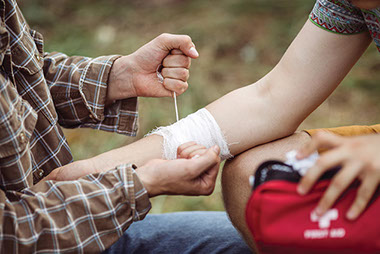
    Image of first aid on a burn to the arm.
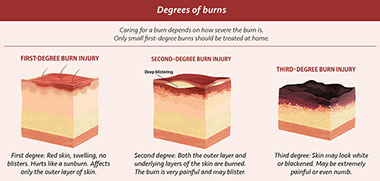
    Chart of degree of burns.

    Many people have experienced the pain that even a minor burn can cause. The home can have many burn hazards, such as touching a hot stove, getting splashed with hot water, or even biting into food with hot spots. Children, especially, can be prone to burns when they accidentally touch something hot. Adults need to be careful too: burns are painful – and possibly dangerous –  at any age.

    What to do after a burn

    If you do get a minor (first-degree) burn, know how to care for it at home so it heals as quickly as possible. If the skin isn’t broken, you should:

    *  Run cool water over the burn or soak it in cool water. Do not use ice: it’s too harsh. Keep the area under water for at least 5 minutes. You may also use a clean towel or cloth soaked in cold water.

    *  After soaking or rinsing the burn, cover it with a clean, dry bandage or gauze pad.

    *  Pain relievers like ibuprofen (e.g., Advil®) or acetaminophen (e.g., Tylenol®) can help if advised by a doctor.

    What not to do

    Treat burns with care. Do NOT:

    *  Use oil, ointment, butter or other greasy substances on the burn.

    *  Breathe or blow on the burn.

    *  Touch or pop blistered or dead skin.

    When it’s an emergency

    Always call 911 or seek emergency medical care if:

    *  You’re not sure how bad the burn is.

    *  A child gets burned.

    *  Burn is caused by chemicals or electricity.

    *  You think it might be a second or third-degree burn.

    *  It covers a large area of skin, bigger than 2 to 3 inches wide.

    *  The burn is on a hand, foot, face or genitals.

    Sources: American Academy of Family Physicians, American Academy of Pediatrics

    © American Institute for Preventive Medicine

  • Go Red To Manage Pain

    SELF-CARE CORNER

    Image of cherry juice.

    Tart cherries may help reduce chronic inflammation, especially for the millions of Americans suffering from joint pain and arthritis, according to research from Oregon Health & Science University. The researchers suggest tart cherries have the “highest anti-inflammatory content of any food” and can help people with osteoarthritis manage their disease.

    In a study of women ages 40 to 70 with inflammatory osteoarthritis, the researchers found that drinking tart cherry juice twice daily for three weeks led to significant reductions in important inflammation markers-especially for women who had the highest inflammation levels at the start of the study.

    Often thought of as “wear-and-tear” arthritis, osteoarthritis is the most common type of arthritis. Athletes are often at a greater risk for developing the condition, given their excessive joint use that can cause a breakdown in cartilage and lead to pain and injury, according to the Arthritis Foundation.

    Along with providing the fruit’s bright red color, the antioxidant compounds in tart cherries-called anthocyanins-have been specifically linked to high antioxidant capacity and reduced inflammation, at levels comparable to some well-known pain medications.

    Available every day of the year in dried, frozen, and juice forms, tart cherries are a versatile ingredient to include in any training or inflammation-fighting diet.

    © American Institute for Preventive Medicine

  • Mouth To Hand

    SELF-CARE CORNER

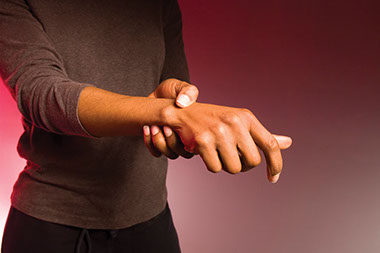
    Image of person holding their wrist.

    Tingling, numbness and pain in your fingers and wrists? Is it just tired hands or something more severe? While, these can all be signs of tired, overused hands, these symptoms can also indicate something serious, such as a repetitive stress injury, tendonitis, aggravation of arthritis or sprains, and even carpal tunnel syndrome.

    With over 152.7 billion text messages sent per month in the U.S. alone, according to CTIA-The Wireless Association, it is becoming clear that our society is shifting its primary method of communication from our mouths and voices to our hands and fingers. With this shift, there has also been an increase in the number of injuries related to these repetitive motions.

    “It is important that patients don’t dismiss symptoms of sore fingers, occasional numbness and tingling,” says George Kardashian, MD, an orthopedic surgeon and hand specialist at The Center for Bone and Joint Disease. “These symptoms are all the body’s way of saying it needs a break or a more serious injury will occur.”

    Since it is almost impossible to stop using mobile devices or computers completely, it is important to know how to prevent these symptoms from turning from sore, tired fingers into something more severe.

    *  Take frequent breaks from typing and texting.

    *  Stretch your hands and fingers.

    *  Use ice packs to reduce swelling.

    *  See your doctor if you have continuing symptoms.

    © American Institute for Preventive Medicine

  • Safe Ways To Get Rid Of Warts

    SELF-CARE CORNER

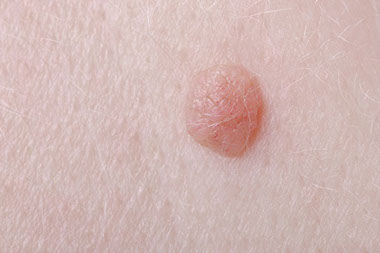
    Close up image of a wart.

    Warts are noncancerous growths caused by a contagious virus. Common warts usually appear on the hands, and plantar warts appear on the bottoms of the feet.

    Most common and plantar warts are harmless and will go away on their own with time. But, they may cause pain or embarrassment. As a result, many people would rather see them gone sooner rather than later.

    Wart basics

    If you’re not sure whether you have a wart, it’s best to see your doctor. Some skin cancers can look like warts.

    You can get warts from other people or from touching a surface that had the wart virus on it. The virus that causes warts is known as human papillomavirus (HPV). Children and teens get warts most often, but they can happen to anyone.

    Keep warts away

    It’s best to try and avoid getting warts in the first place. To help avoid warts, doctors say:

    *  Don’t go barefoot in public showers, bathrooms, locker rooms, and around swimming pools. Wear flip flops or waterproof shoes.

    *  Don’t share towels or personal items with others unless it has been washed.

    *  Wash hands regularly, including before and after eating, after using the bathroom, and after touching shared surfaces like doorknobs and ATMs.

    *  Finally, never pick at or scratch warts. This can spread the wart to other parts of the body.

    Medicines for warts

    There are a few ways to help speed the healing process for warts and get rid of them sooner. They include:

    *Wart medicine:Look for one that contains salicylic acid as the active ingredient. This medicine helps peel the wart off gradually. It can be purchased in a liquid or gel you apply to the skin, or in patches that stick on the wart.

    *Wart freezing sprays:An over-the-counter wart freezing spray can help get rid of warts. The spray blisters the wart and the skin around it, allowing it to fall off in a few days.

    *Duct tape:Some studies suggest that applying duct tape to the wart may help it go away. Put a small piece of duct tape over the wart and change the tape every couple of days. This may help peel the wart off.

    Be patient with any wart treatment. It may take several applications before the wart goes away. If these home remedies aren’t working, talk to your doctor. Most dermatologists offer stronger wart removal treatments when needed.

    Sources: American Academy of Dermatology, American Academy of Family Physicians

    © American Institute for Preventive Medicine

  • Tiny Blood Suckers

    SELF-CARE CORNER

    Image of a person using a lice comb.

    Lice aren’t vampires, but they hold onto hair and bite into your scalp (or more likely into your children’s scalps) and feed on blood, according to Dr. Andrew Bonwit, a pediatric infectious disease expert at Loyola University. Usually, bites aren’t painful, he says, but they may itch.

    According to the CDC, an estimated 6 to 12 million lice cases occur each year among children 3 to 11 years old.

    “Parents and school staff may become understandably upset by outbreaks of head lice, but it is important to remember that if the problem occurs, it is treatable, although repeat applications of medicine are usually needed,” said Dr. Bonwit.

    Contrary to what you may think: Anyone can get head lice. It’s not a sign of uncleanliness. Pets don’t carry lice or spread them to you. And although you don’t want to use anyone else’s hairbrush, lice seem to be transmitted from head-to-head contact from one person to another. Lice don’t carry serious diseases, and kids with lice at school should see a doctor for treatment with shampoos.

    © American Institute for Preventive Medicine

  • Winter Itch

    SELF-CARE CORNER

    Image of a snowman.

    All winter flakes are not made of snow. Cold weather, with its low relative humidity, wreaks havoc on your skin, making it dry and flaky. Skin dries out if it’s deprived of moisture, and this dryness often aggravates itchiness, resulting in a condition commonly referred to as “winter itch.” During the winter the air is drier, and indoor heating further robs your skin of moisture. Fortunately, there are several ways that you can replenish the water content of your skin.

    Dr. Robyn Gmyrek, a dermatologist and director of the Skin and Laser Center at New York-Presbyterian Hospital/Columbia University Medical Center, suggests the following skin advice:

    *Moisturize daily.Petrolatum or cream-based moisturizers are far better than lotions for normal to dry skin. If you have sensitive skin, choose a moisturizer without fragrance or lanolin. After bathing, apply moisturizer directly to your wet skin to ensure that the moisturizer can help to trap surface moisture.

    *Limit the use of hot water and soap.If you have “winter itch,” take short lukewarm showers or baths with a non-irritating, non-detergent-based cleanser. Immediately afterward, apply a thick cream or a petroleum-jelly-type moisturizer. Gently pat skin dry.

    *Humidify.Dry air can pull the moisture from your skin. Room humidifiers can be very helpful. However, be sure to clean the unit and change the water according to the manufacturer’s instructions to reduce mold and fungi.

    *Protect yourself from the wind.Cover your face and use a petrolatum-based balm for your lips.

    *Protect your skin from the sun.Remember that winter sun can also be dangerous to the skin. Even in the winter months you should use a sunscreen with a sun-protection factor of 15 or greater if you will be outdoors for prolonged periods.

    *Avoid winter tanning.Tanning beds and artificial sunlamps are always damaging to your skin and increase your risk of skin cancer.

    *Take vitamin D supplements.During the summer months your natural vitamin D production increases due to daily sun exposure, but when winter rolls around that exposure decreases. Taking vitamin supplements can ensure that you are getting the recommended amounts of vitamin D all year.

    © American Institute for Preventive Medicine