Category: Self-Care Corner

  • 10 Tips To Lower Your Risk For Colorectal Cancer

    SELF-CARE CORNER

    Image of older women smiling.

    UCLA experts encourage you to protect your colon health:

    1. Get regular colorectal cancer screenings starting at age 50 if you are at normal risk.

    2. Talk to your doctor about screenings before age 50 if you are at higher risk. This could be due to a personal or family history of colorectal cancer, other cancers or inflammatory bowel disease.

    3. Eat between 25 and 30 grams of dietary fiber each day. Fiber is in fruits, vegetables, whole-grain breads and cereals, nuts, and beans.

    4. Eat a low-fat diet. Colorectal cancer has been associated with diets high in saturated fat.

    5. Eat foods with the B-vitamin folate. Good sources are leafy green vegetables.

    6. Drink alcohol in moderation and quit smoking. Alcohol and tobacco in combination are linked to colorectal cancer and cancers of the stomach and intestines.

    7. Exercise for at least 20 minutes 3 to 4 days a week.

    8. Report to your doctor any persistent symptoms  such as:

    * Blood in the stool

    * A change in bowel habits

    * Weight loss

    * Narrower-than-usual stools

    * Abdominal pains or other gastrointestinal complaints

    9. Maintain a healthy weight.

    10. Get more information atwww.cancer.org(the American Cancer Society website).

    © American Institute for Preventive Medicine

  • Avoid Gum Disease With These Tips

    SELF-CARE CORNER

    Image of variety of cleaning supplies.

    Are you wondering if “a little blood” on your toothbrush is a reason to be concerned? It could indicate the early stages of gum disease, which can lead to serious dental problems later. Almost half of adults over age 30 have gum disease. Plus, 70 percent of people over age 65 have it, too.

    The good news is, you can take steps now to prevent it from getting worse. This could save you from tooth loss or gum problems.

    What causes gum disease?

    Gum disease (“periodontitis”) happens when plaque-a sticky film of bacteria-builds up on teeth and hardens. At first, this can cause gums that look red, swollen or that bleed (“gingivitis”). As it gets worse, the gums can pull away from the teeth. This can cause infections in the mouth. The infection can lead to bone loss in the mouth and eventually, tooth loss. Gum disease may also be linked to other health problems, including diabetes and heart disease.

    Keep gums healthy

    A few tips can help you avoid gum disease and keep your smile feeling and looking great for years to come:

    *  Brush twice a day. Brush with fluoride toothpaste for at least 2 minutes each time and get all surfaces and sides of teeth. Also brush the tongue. Be sure you replace your toothbrush at least every six months, or sooner if it shows signs of wear or fraying.

    *  Floss once a day. Plaque hides between teeth, where the brush can’t reach. Remove it each day with floss and you can avoid plaque buildup that hardens and turns to tartar, which can only be removed by a dentist.

    *  Don’t smoke. More than 60 percent of smokers have gum disease. This is one of the many reasons quitting is important for your health.

    *  See your dentist every six months. A dentist can remove any plaque or tartar and will check the health of your gums. They can work with you to reverse gum disease in the early stages.

    *  Ask about mouthwash. Some mouthwashes can help reduce plaque and tooth decay. Those at higher risk for gum disease may wish to talk to their dentist about the best options.

    If your gums look red or tend to bleed, see your dentist. Early treatment can save your gums and teeth. Even if they are in great shape, regular visits to the dentist will help you keep them that way. Your smile will thank you!

    Sources: National Institutes of Health, American Academy of Periodontology

    © American Institute for Preventive Medicine

  • Cautions About Sinus Rinsing

    SELF-CARE CORNER

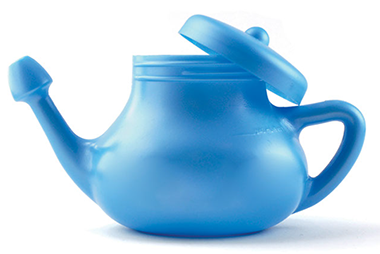
    Image of blue neti pot used to rinse nasal passages.

    Little teapots with long spouts have become a fixture in many homes for reasons that have nothing to do with tea.

    Called neti pots, they are used to rinse the nasal passages with a saline (salt-based) solution and have become a popular treatment for congested sinuses, colds and allergies, and for moistening nasal passages exposed to dry indoor air.

    The FDA has concerns about the risk of infection tied to the improper use of neti pots and other nasal rinsing devices. The agency is promoting safe practices for using all nasal rinsing devices, which include bulb syringes, squeeze bottles, and battery-operated pulsed water devices.

    These devices are generally safe and useful products, but they must be used and cleaned properly.

    Most important is the source of water that is used with nasal rinsing devices. Tap water that is not filtered, treated, or processed in specific ways is not safe for use as a nasal rinse.

    Some tap water contains low levels of organisms, such as bacteria and protozoa. These include amoebas, which may be safe to swallow because stomach acid kills them. But these “bugs” can stay alive in nasal passages and cause potentially serious infections, according to the CDC.

    The procedure for nasal rinsing may vary slightly by device, but generally involves these steps:

    *  Wash and dry hands. Check that the device is clean and completely dry. Wash the device with distilled, sterile, or boiled and cooled tap water. Then dry the inside with a paper towel or let it air dry between uses.

    *  Use the appropriate water to prepare the saline rinse, either with the prepared mixture supplied with the device, or one you make yourself with distilled or sterile water, which you can buy in stores. The label will state “distilled” or “sterile.” Boiled and cooled tap water-boiled for 3 to 5 minutes, then cooled until it is lukewarm may be used. Previously boiled water can be stored in a clean, closed container for use within 24 hours. Or use water passed through a filter with an absolute pore size of 1 micron or smaller, which traps potentially infectious organisms. CDC has information on selecting these filters, which you can buy online or from some hardware and discount stores.

    *  Lean over a sink, tilt your head sideways with your forehead and chin roughly level to avoid liquid flowing into your mouth.

    *  Breathe through your open mouth.  Insert the spout of the saline-filled container into your upper nostril so that the liquid drains through the lower nostril.

    *  Clear your nostrils, and then repeat the procedure, tilting your head sideways, on the other side. Some people like to do this procedure in the shower.

    Nasal rinsing can remove dirt, dust, pollen and other debris, as well as help to loosen thick mucus. It can also help relieve nasal symptoms of allergies, colds and flu.

    © American Institute for Preventive Medicine

  • Hard To Pronounce, Painful Foot Pain

    SELF-CARE CORNER

    Illustration of an inflammed plantar fascia.

    Ouch! That heel pain you feel when you first get up in the morning has a name.

    Plantar fasciitis(PLAN-ter fash-ee-EYE-tus). An inflammation of the fibrous band of tissue that connects your heel bone to the base of your toes along the bottom of your foot. The condition usually starts with pain the morning after a day of increased physical activity. You may not remember a specific injury.

    Ice the sore area for 20 minutes two times a day, after dinner and before bedtime, to relieve symptoms. Ask your doctor about taking nonsteroidal anti-inflammatory pain relievers, suggest experts at the American Orthopaedic Foot & Ankle Society.

    Stretching the plantar fascia with these exercises (www.aofas.org/footcaremd/conditions/ailments-of-the-heel/Pages/Plantar-Fasciitis.aspx) is the best treatment after the initial inflammation has gone down.

    For longer-term problems and pain that won’t go away, some injections are available, and shock wave therapy is an option. Surgery may be a final solution.

    © American Institute for Preventive Medicine

  • Move In Minutes

    SELF-CARE CORNER

    Image of business man walking while talking on the phone.

    Sitting for extended periods can raise the chances of developing cancer even for people who exercise regularly, says recent research. In response to these findings, fitness experts at The University of Texas MD Anderson Cancer Center share advice on how to get moving in minutes.

    “Taking just one- to two-minute breaks from sitting may help lower your cancer risk,” said Dr. Karen Basen-Engquist, professor in the Department of Behavioral Science. “That’s because even short spurts of movement can help minimize inflammation, insulin resistance, and long-term weight gain-all factors that make it harder for the body to fight off cancer.”

    Basen-Engquist, who uses a pedometer and tries to get at least 500 steps an hour, offers these tips to get moving-no matter how many minutes you can grab each day.

    Have 5 minutes? Stretch.

    Take breaks from sitting at work or home by standing up and stretching your back, forearms, wrists, legs, and hamstrings. Among the benefits: more energy, better circulation, and less muscle tension and stress.

    Have 10-15 minutes? Take a brisk walk.

    Head out during your lunchtime. Take walking meetings with coworkers. Plan a quick trip around the neighborhood. Walking helps maintain a healthier blood pressure, boosts metabolism, curbs stress, and possibly reduces breast and colorectal cancer risk.

    Just keep in mind that brisk walking yields more benefits than a casual stroll. So you should feel a little out of breath and feel your heart beating a little faster.

    Have 20-30 minutes? Tidy the house.

    Tidying up does more than limit couch time. It can also qualify as aerobic activity. To get your heart rate up, focus on repetitive activities that use large muscle groups, like the legs and back. This includes vacuuming, mopping, scrubbing, gardening, and even taking multiple trips upstairs to put away laundry.

    Have just 1-2 minutes? Take the stairs.

    Skip the elevator or escalator and take the stairs at work and when doing errands. Stairs get your heart pumping, build muscle, strengthen bones, and burn calories. The more often you take one step at a time, the bigger the payoff.

    © American Institute for Preventive Medicine

  • Self Care Corner

    SELF-CARE CORNER

    © American Institute for Preventive Medicine

  • Don’T Fall For Health Fraud Scams

    SELF-CARE CORNER

    Image of middle-aged man thinking.

    The FDA offers some tip-offs to help you identify health fraud rip-offs.

    One product does it all.Be suspicious of products that claim to cure a wide range of diseases.

    Personal testimonials.Success stories, such as “It cured my diabetes” or “My tumors are gone,” are easy to make up and are not a substitute for scientific evidence.

    Quick fixes.Few diseases or conditions can be treated quickly, even with legitimate products. Beware of language such as “Lose 30 pounds in 30 days” or “Eliminates skin cancer in days.”

    “All natural.”Some plants found in nature (such as poisonous mushrooms) can kill when consumed even though they are perfectly “natural.” Also, FDA has found numerous products promoted as “all natural” but that contain hidden and dangerously high doses of prescription drug ingredients or even untested active artificial ingredients.

    “Miracle cure.”Alarms should go off when you see this claim or others like it such as “new discovery,” “scientific breakthrough,” or “secret ingredient.” If a real cure for a serious disease were discovered, it would be widely reported through the media and prescribed by health professionals-not buried in print ads, TV infomercials, or on Internet sites.

    Conspiracy theories.Claims like “The pharmaceutical industry and the government are working together to hide information about a miracle cure” are always untrue and unfounded. These statements are used to distract you from the obvious, common-sense questions about the so-called miracle cure.

    Even with these tips, fraudulent health products are not always easy to spot. If you’re tempted to buy an unproven product or one with questionable claims, check with your doctor or other health care professional first. You can file a complaint with the FDA at its website:www.fda.gov.

    © American Institute for Preventive Medicine

  • Yes, More Sunscreen!

    SELF-CARE CORNER

    Image of sun hat, sunglasses and sunscreen.

    Wear it. Wear plenty of it. And this summer is the first season for the new FDA regulations. Here’s what you need to know about labels and ingredients from Dr. Alan Friedman of Montefiore Medical Center.

    Water-resistant

    Sunscreens claiming to be waterproof and sweat proof are no longer on the shelves. In their place are 40- and 80-minute water-resistant sunscreens. They offer sun protection for a limited time when exposed to water. Choose the 80-minute water-resistant product and reapply after swimming or toweling off.

    Sun Protection Factor (SPF)

    Some people think that SPF measures the length of time users can be in the sun before getting sunburned. Not so. SPF defines the amount of ultraviolet B (UVB) radiation needed to cause sunburn, even while sunscreen is on. Sunscreens with SPF 2 through SPF 14 can prevent sunburn, but they provide no protection against skin cancer or premature skin aging. Such sunscreens must now carry a warning label stating, “Spending time in the sun increases your risk of skin cancer and early skin aging. This product has been shown only to help prevent sunburn, not skin cancer or early skin aging.”

    The FDA has yet to rule on whether products with SPF values higher than 50 provide extra protection compared to ones with SPF values of 50.

    For a sunscreen to reach its listed SPF, a full ounce (think of a shot glass full) needs to be applied. Recent research shows that people only apply 20-25% of this amount, unknowingly lowering the protection factor of their sunscreens. Best choice: SPF 30 or higher and plenty of it.

    Broad spectrum

    Until the final FDA requirements took effect, sunscreens were only evaluated and regulated for their ability to protect against UVB radiation, as measured by SPF. Now, sunscreens also are evaluated for their UVA protection. Sunscreens labeled as “broad spectrum” protect against both UVA and UVB radiation.

    “UVA penetrates deeper into the skin where it can accelerate skin aging and cause skin cancer. I call UVA the silent killer, because unlike UVB, it does not cause sunburns so it is hard to tell if you are getting harmful exposure,” said Dr. Friedman. “Broad spectrum sunscreen use should not be limited to beach outings or summer months. Recent research showed that the skin aging process is significantly slower among people who apply broad spectrum sunscreen daily, year round.”

    Read the ingredients

    Sunscreen companies use different mixtures of ingredients. Choose products that have a variety of sun-blocking agents. Dr. Friedman recommends selecting a sunscreen that contains several organic sun-blocking agents such as ecamsule, cinoxate, octyl salicylate, and benzophenones (oxybenzone). The different chemicals work in synergy to create greater sun protection than any one ingredient alone. Also, combining multiple agents allows companies to use less of each, which decreases the risk of any associated irritation.

    The best products also contain mineral, physical sun-blocking agents like zinc oxide and titanium oxide. In the past, these ingredients appeared chalky and left skin greasy, but newer products deliver “micronized” thinner, sheerer formulations. Products that contain talc and bentone gel prevent these ingredients from clumping, and improve cosmetic appearance.

    Look for pH stabilizers to hydrate and fortify the skin, like dimethicone, cyclomethicone, and sodium phosphate. When the skin is hydrated, its can heal and repair itself much more quickly.

    © American Institute for Preventive Medicine

  • Avoid Summer Headaches

    SELF-CARE CORNER

    Image of women sitting at the beach talking on the phone.

    The sun can be especially bothersome if you suffer from migraine. Looking directly or indirectly at the sun can trigger a migraine attack for some people.

    Don’t forget your shades-sunglasses, visors, or sun hat when you are out and enjoying the sunshine at the beach, tennis court, golf course, or a baseball game, advises the National Headache Foundation.

    Other summer headache triggers include changes in barometric pressure. Watch out for those sudden thunderstorms and windy days.

    Drink plenty of water, not soft drinks, to help prevent those “dehydration” headaches. You don’t want to drink too many soft drinks containing caffeine, which can also contribute to your headaches.

    At backyard barbecues and picnics, you may encounter food items that you wouldn’t normally eat. The sauces and dry rubs on those tasty ribs may contain monosodium glutamate (MSG) to which many headache sufferers are sensitive. The spread at a picnic may include aged cheeses, hot dogs, and other meats with nitrates, and pickles-all possible triggers. Also watch your intake of beer and cocktails.

    © American Institute for Preventive Medicine