Category: Self-Care Corner

  • Non-Drug Options For Chronic Pain

    SELF-CARE CORNER

    Image of different herbs.

    Pain that lasts a long time or is ongoing is called chronic pain. A variety of conditions may lead to chronic pain, including  arthritis, fibromyalgia, past injuries, or migraine headaches.

    Always speak to your doctor about any natural remedies you wish to try and any herbs or supplements you take. Not all natural treatments are safe for everyone, including if you are pregnant. Some can interact with medicines. Your doctor can help you find options that will be best for you. The following options are alternative, non-drug treatments that may be helpful.

    Acupuncture

    This Chinese medicine practice involves the placement of thin, small needles into the surface of the skin at various points on the body called meridians. Acupuncturists should be certified or licensed and should use sterile needles. Some studies suggest acupuncture may help with osteoarthritis pain, lower back pain and headaches.

    Mindfulness

    Mindfulness is a type of meditation in which you focus on the present moment only. You calmly acknowledge feelings and thoughts that arise and go back to thinking about the present moment. This treatment may be helpful for people with chronic pain.

    Herbs and dietary supplements

    Various natural supplements may be helpful for chronic pain.

    *  Omega-3 fatty acids, gamma-linolenic acid (GLA) and the herb thunder god vine may help with rheumatoid arthritis pain.

    *  Butterbur, feverfew, magnesium, riboflavin and coenzyme Q10 may help prevent migraines.

    *  Vitamin D supplements may reduce pain in people with fibromyalgia who have low vitamin D levels.

    *  Devil’s claw and white willow bark taken by mouth may be helpful for back pain.

    *  Cayenne, comfrey, Brazilian arnica and lavender essential oil may help back pain when used on the skin (do not take these by mouth).

    Massage

    Massage therapists use their hands to rub or knead the muscles and joints of the body. Some studies show that massage therapy can help with neck pain. Massage may also help reduce pain from osteoarthritis.

    Source: National Center for Complementary and Integrative Health

    © American Institute for Preventive Medicine
  • Simple Sore Throat Remedies (To Try First)

    SELF-CARE CORNER

    Image of a cup of tea with honey and lemon.

    If that scratchy throat hurts when you swallow, you can try some simple home remedies, suggests the NIH News in Health.

    *  Drink hot tea with lemon or hot soup.

    *  Keep your throat moist with lozenges or hard candies (not for children age 5 and younger).

    *  Gargle with warm salt water.

    *  Cold liquids, ice chips, or popsicles can numb the pain. Throat sprays and over-the-counter pain relievers can help too.

    *  Use a humidifier or vaporizer, especially in the bedroom when sleeping, to keep air from getting too dry.

    But if your sore throat is severe, if you have a fever or swollen glands, you might have strep throat, a common bacterial infection. Contact your doctor.

    © American Institute for Preventive Medicine

  • To Ice Or Not To Ice- That Is The Question

    SELF-CARE CORNER

    Illustration showing treatment for a sprained ankle using R.I.C.E.

    Or maybe the real issue is to heat or not to heat? Either way, whether you’re dealing with a one-time injury or chronic aches and pains, a few simple guidelines will help you know whether it’s best to bag some ice or get the trusty heating pad.

    Dr. Scott Lynch, director of sports medicine at Penn State Medical Center, said it’s all about blood flow. When you injure yourself, you should follow guidelines known as RICE-rest, ice, compression, and elevation.

    “Elevation is probably the most important thing because it limits the amount of blood flow to the area and the amount of swelling,” he said.

    Cold temperatures applied to an injury help constrict, or narrow, the blood vessels and keep blood from pooling there. This could cause too much inflammation or swelling that can delay the healing process.

    Dr. Cayce Onks, family and sports medicine physician at Penn State Hershey, said icing an injury for the first 48 to 72 hours after it occurs can reduce the amount of secondary tissue damage. Ice also can help decrease pain.

    Use ice for 20 minutes, once an hour. That’s so you don’t create other issues such as frostbite or damage to the skin. It also gives the skin a chance to recover from each icing session.

    While special freezer packs are easy to obtain, Dr. Onks said plain old ice in a bag (or a bag of frozen vegetables) works best. “You can mold it around the injury and get more coverage,” he said. “You also have to keep in mind that because of the chemicals in freezer packs, they can get much colder than ice and you could cause temperature-related skin problems.”

    Heat, on the other hand, is often used to ease muscle aches and pains, or to loosen up tense and sore areas before activity.

    “Heat typically brings blood flow to the area, which provides nutrients that the tissues need for healing,” Dr. Onks said. “It can also increase the flexibility of tendons and muscles.”

    Athletes who have chronic issues or old injuries typically heat before they are active and ice afterward. Some people prefer moist heat because they feel the extra humidity helps the heat penetrate.

    In an athletic training room or physical therapy setting, providers can also produce deeper heat by using ultrasound. A heating pad or a pack you heat up in the microwave will do the trick. Commercial heat patches or products such as Icy Hot may provide temporary or superficial relief, but they don’t typically offer the penetration of ice, moist heat, or ultrasound.

    © American Institute for Preventive Medicine

  • 4 Warning Signs Of Teen Depression

    SELF-CARE CORNER

    Image of teen girl depressed.

    Withdrawn. Irritable. Sleepy. This could describe almost any teenager, but these are also symptoms of teen depression.

    Teen depression sometimes gets overlooked because it doesn’t always look like depression in adults. For example, sadness is a core feature of most depression and what most people associate with depression, according to Dr. Ken Duckworth, medical director of the National Alliance on Mental Illness. Many teens also experience other symptoms-parents might miss these warning signs.

    1.Sleep disturbance.“Many adolescents sleep until noon on a Saturday, but if you notice a change in their sleep or their sleep is irregular even more than before, that’s something to worry about,” Dr. Duckworth says.

    2.Social changes.“Adolescents are typically very focused on social connections,” he says. “If they’re not interested in their social network and they want to quit sports, pay attention to that.”

    3.Physical symptoms.Some teens demonstrate their emotional distress through physical symptoms, such as headaches, stomach aches, weakness, and body aches.

    4.Substance abuse.Some depressed teens use drugs and alcohol to change how they’re feeling. Abusing drugs and alcohol also increases the risk for depression or worsening depression.

    © American Institute for Preventive Medicine
  • Avoiding Chemicals In The Home

    SELF-CARE CORNER

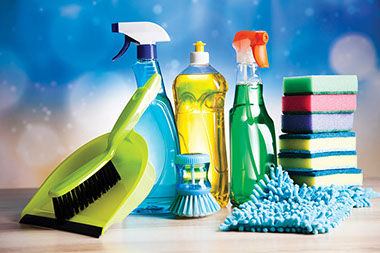
    Image of variety of cleaning supplies.

    Many common household items contain chemicals. Not all chemicals are bad for your health, but some can be harmful. To keep yourself and your family healthy, it’s best to take steps to reduce or avoid chemicals that could be unsafe.

    Did you know possible toxic substances can be found in cleaning products, furniture, carpet and shower curtains? Here’s how to avoid unsafe levels of toxins:

    *Read labels carefully.Many cleaning products have warnings and directions for how to use them. Follow these carefully. For instance, if it says, “use in a well-ventilated area,” you should be sure to open a window to the outside.

    *Be aware of odors.If something gives you a headache, sore throat or makes you cough, this may be a sign that you shouldn’t use it anymore.

    *Protect your skin.Wear gloves when using cleaning products and wash your hands after cleaning. Don’t let children use products with any chemicals in them like bleach, ammonia or strong cleaning ingredients.

    *Get checked for lead.If you live in a home built before 1980, ask your local health department how you can get your home and water checked for lead. You can’t see, smell or taste lead. Lead is harmful to the brain and affects children’s development. Find out if your home is at risk and take steps to get it removed, if needed.

    *Avoid pesticides whenever possible.Contact professional pest control companies for insect problems.

    *Choose fragrance-free products when possible.Many fragrances contain chemicals that disrupt hormone functions in the body. Also, some people are sensitive to fragrances.

    *Replace old nonstick pans that look worn or scratched.They may contain chemicals that can get into your food.

    *Look for cleaning products that have the Environmental Protection Agency’s “Safer Choice” label.For more information, visitwww.epa.gov/saferchoice/products.

    If someone in your home may have ingested a poisonous product, call The American Association of Poison Control Centers at (800) 222-1222.

    Remove dust for a healthier home

    Did you know household dust often contains chemicals and toxins from your home? A good way to reduce your exposure to them is to keep dust down. Try these tips:

    *  Choose non-toxic or “Safer Choice” cleaning products. White vinegar is an effective non-toxic cleaner for many surfaces.

    *  Use a damp rag without chemicals to dust.

    *  Clean floors with a damp mop or a steam-only mop.

    *  Vacuum floors regularly and use a vacuum with a high efficiency particulate air (HEPA) filter.

    *  Open windows to bring in fresh air whenever possible.

    *  Change furnace and air filters regularly.

    *  Wash hands often.

    Source: National Institutes of Health, Environmental Protection Agency

    © American Institute for Preventive Medicine

  • Cold Medicines For Kids: What’S Safe?

    SELF-CARE CORNER

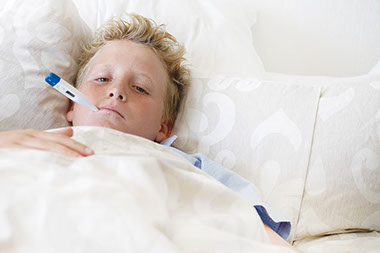
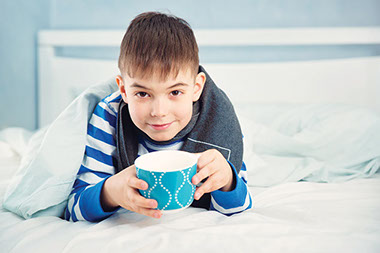
    Image of child in bed holding a tea cup.

    Are cough and cold medicines safe for children? It depends on the child’s age. The American Academy of Pediatrics (AAP) says over-the-counter cough and cold medicines can be dangerous for kids under four years of age. These medicines have never been studied in children, so experts don’t really know if they work. They can also cause serious side effects.

    For older children, AAP recommends that cough and cold medicines only be used if a doctor says it’s okay.

    My child is sick: what can I give them?

    It’s hard to watch your child suffer with a bad cold or cough. But, if you can’t give them medicine, what else can you do to help them?

    The AAP says home remedies can make a child feel better. Try:

    *  Saline nose spray and/or a humidifier in their room. Keeping the nasal passages moist can help them breathe easier at night.

    *  Plenty of clear fluids like warm water or diluted apple juice. Keeping them hydrated helps thin out secretions in the nose and throat. This may help with a stuffy nose and coughing.

    *  For children older than 1 year, a teaspoon of honey. This can soothe an irritated throat and may be helpful for a cough. Some natural cold medicines for kids contain honey and herbs. Ask a doctor about these before giving them to your child. Do not give honey to infants under one year of age.

    *  Plenty of rest. Consider keeping your child home from school or daycare so they can get plenty of sleep. This helps their immune system fight off the illness.

    *  Mentholated rub on the throat for kids over 2 years of age. This can help with coughing and may bring some relief from a stuffy nose.

    What NOT to do

    Remember that antibiotics do not help with viruses like colds and coughs. Never give antibiotics to your child unless your doctor prescribes them.

    In addition, don’t be quick to lower a mild fever if the child feels fine. A fever helps the body fight off a virus. It’s helpful to leave it be if you can. Only give fever-reducers with single ingredients like acetaminophen or ibuprofen if the child is uncomfortable or if the fever is 102 degrees F or higher. Call a doctor if your child has a high fever.

    Children ages six and up can use cough and cold medicines designed for their age. But, check with your pediatrician first. Also, be sure to read the packaging and give the correct dose. If you aren’t sure, ask your pediatrician or pharmacist.

    © American Institute for Preventive Medicine
  • Hope For Migraine Headaches

    SELF-CARE CORNER

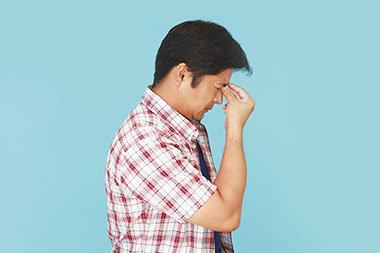
    Image of man with a migraine.

    Migraine headaches are more than an inconvenience. Migraine pain is severe and can interfere with a person’s life. Fortunately, today’s migraine treatments can help many people get the relief they need.

    There are two types of medicines for migraines: abortive and preventive.

    Abortive medicines

    Abortive medicines, also referred to as acute, are designed to stop, or abort, a migraine. They should be taken as early as possible when a person feels a migraine starting. Some of these medicines include:

    *  Pain relievers. Aspirin, ibuprofen, and other common pain relievers can be used to treat mild migraines. But, for many people, these aren’t enough to get rid of a migraine. Experts say people shouldn’t take these medicines more than twice a week. Overusing these medicines can lead to stomach problems and can even cause more headaches.

    *  Prescription migraine medicines. Your doctor may prescribe special medicines that are designed to relieve migraine pain and other symptoms, such as nausea. These may work well for people who don’t find relief from over-the-counter pain relievers.

    Preventing migraines

    Some of the medicines available today are used to prevent migraines before they happen. These are called preventive treatments. These types of medicines are recommended for people who:

    *  Get four or more migraines a month

    *  Have migraines that last 12 hours or longer

    *  Haven’t found relief with  abortive medicines

    *  Can’t take abortive medicines

    There are different types of preventive medicines available. Sometimes a person needs to try several different medicines before finding the one that works best for them. Keeping track of how many migraines you have and their severity can help you see how well a medicine is working.

    In addition to medicines, you and your doctor may discuss migraine triggers and how to avoid them. Certain foods, stress, lack of sleep, hormonal changes, and many other things can cause migraines. Learning your own triggers and how to avoid them is an important part of preventing migraines.

    What makes a migraine

    Migraines usually have the following symptoms:

    *  Severe pain and intense pounding in the head that makes it impossible to do daily tasks

    *  Nausea and/or vomiting

    *  Sensitivity to light or sound

    Some migraines also start with an aura. An aura may be vision changes, like seeing flashes of light or lines. Some people have trouble seeing clearly and cannot focus on objects. An aura may also cause tingling in an arm or leg. Only about 20 percent of people who get migraines will have an aura.

    © American Institute for Preventive Medicine
  • Open Wide

    SELF-CARE CORNER

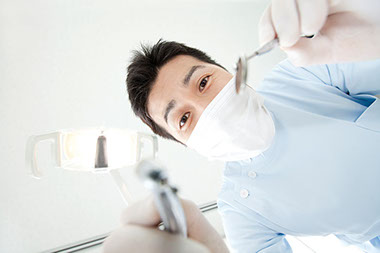
    Image of dentist.

    Your dentist and dental hygienist inspect your mouth for oral cancers when you show up for your regular dental cleanings. But between visits, take note of these early warning signs, and see your dental professional if they do not improve or disappear after 2 to 3 weeks:

    *  A sore, or soreness or irritation that doesn’t go away

    *  Red or white patches, or pain, tenderness, or numbness in your mouth or lips

    *  Lumps, thickening tissues, rough spots, crusty or eroded areas

    *  Difficulty chewing, swallowing, or moving your jaw or tongue

    *  A change in the way your teeth fit together when you close your mouth

    Always call your dental professional right away if you have any immediate concerns. Those at high risk of developing oral cancer have traditionally been heavy alcohol drinkers and smokers over age 50. But today, cancer is occurring in younger, nonsmokers. The sexually transmitted HPV is related to some cancers in younger people.

    © American Institute for Preventive Medicine
  • Simple Ways To Lower Cholesterol

    SELF-CARE CORNER

    Image of oats shaped in a heart.

    You can’t feel or see high cholesterol, but it’s nothing to brush aside. People with high cholesterol have twice the risk of heart disease as those who have normal levels. The Centers for Disease Control and Prevention says 1 out of 3 American adults has high cholesterol – and less than half of them get the treatment they need.

    A simple blood test, done at least every five years, can tell you if you have high cholesterol. If your levels are high, your doctor may put you on a cholesterol-lowering program. This may include medicine, but often includes changes you can make at home to be healthier.

    Lifestyle changes are an important way to lower high cholesterol and cut your risk of heart disease. Even if your cholesterol isn’t high, these changes can help you keep it at a healthy level. The American Academy of Family Physicians says people should:

    *Avoid smoking or quit if you do smoke.Smoking lowers your good cholesterol. Talk to your doctor if you need help quitting tobacco.

    *Work toward a healthy weight.Losing just a few pounds can lower bad cholesterol and triglycerides.

    *Get active.Exercise can raise HDL (good) cholesterol and lower LDL (bad) cholesterol and triglycerides. Try for 30 minutes of activity, 5 days per week.

    *Get more fiber in your diet.Soluble fiber, found in oats, legumes, and fruits and vegetables, may help lower cholesterol.

    *Eat healthy fats.Avoid saturated and trans fats found in many processed, fried and animal foods. Focus on healthy fats found in olive oil, fish, avocados, seeds and nuts.

    *Eat more vegetarian proteins.Beans, nuts, peas, soy and lentils are healthy proteins that don’t have the saturated fats found in most meat.

    *Limit foods with cholesterol.Healthy people should eat less than 300 milligrams of cholesterol per day. People with heart disease may need to eat less than 200 milligrams a day.

    *Ask about supplements.Some natural supplements can help lower cholesterol in addition to making healthy diet and exercise changes. These include:

    – Plant sterols and stanols

    – Omega-3 fatty acids (usually found in fish oil supplements)

    – Red yeast rice

    Always ask your doctor before taking any natural supplements, especially if you have health conditions or take any medicines.

    © American Institute for Preventive Medicine