Category: Self-Care Corner

  • How To Put In Eyedrops

    SELF-CARE CORNER

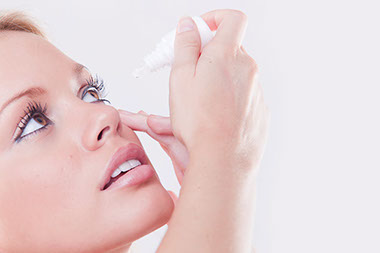
    Image of young women putting eyedrops into eye.

    *  Wash your hands with soap and water.

    *  Shake the eyedrop container gently. Make sure the prescription is for you. Check to see how many drops you are to put in and when.

    *  Remove the cap. Set it aside. Do not touch the dropper tip with your hand.

    *  Tilt your head back. With both eyes open, look at a point on the ceiling.

    *  Pull your lower lid down gently to form a pocket for the drop. Position the tip of the bottle less than an inch above your lower lid.

    *  Squeeze the bottle lightly to allow the drop to fall into the pocket.

    *  Close your eyes without squeezing them. Keep eyes closed for 30 seconds. Gently blot with a clean tissue.

    *  Replace the cap on the eyedrop bottle.

    *  Keep eyedrops out of sunlight.

    Other tips:

    *  Do not wear contact lenses while using eyedrops or ointments.

    *  If you have eyedrops and eye ointment, put in the eyedrops before the ointment.

    *  You may find this easier to do in front of a mirror or lying flat on your back.

    *  Check the bottle’s expiration date. Throw it away if outdated.

    Source: National Institutes of Health

    © American Institute for Preventive Medicine

  • Over-The-Counter Overdosing?

    SELF-CARE CORNER

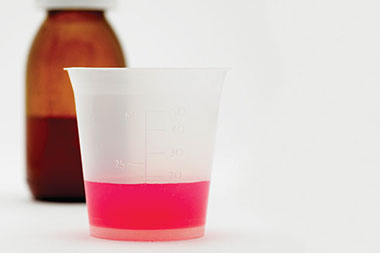
    Image of liquid medicine.

    For a medicine to work for you-you’ve got to take the right dose. Many over-the-counter liquid medicines-such as pain relievers, cold medicines, cough syrups, and digestion aids-come with spoons, cups, oral droppers, or syringes designed to help you measure the right dose. To avoid giving too much or too little of a medicine, use these 10 tips from the FDA:

    *Always follow the directions on the Drug Facts label.Read the label every time before you give the medicine.

    *Know the “active ingredient” in the medicine.This is what makes the medicine work and it is always listed at the top of the Drug Facts label. Make sure, if you’re taking more than one medicine such as to treat a cold and a headache, that both don’t have the same active ingredient. You could be giving two times the normal dose. If you’re confused, check with your doctor or pharmacist.

    *Give the right medicine, in the right amount.Medicines with the same brand name can be sold in different strengths, such as infant, children, and adult formulas. The dose and directions also vary for children of different ages or weights. Always use the right strength and follow the directions exactly.

    *Use the dosage delivery device that comes with the medicine, such as a dropper or a dosing cup.A different device, or a kitchen spoon, could hold the wrong amount of medicine. And never drink liquid medicine from the bottle.

    *Know the difference between a tablespoon (tbsp) and a teaspoon (tsp).A tablespoon holds 3 times as much medicine as a teaspoon.

    *Know your child’s weight.Dosage amounts for some medicines are based on weight. Never guess how much to give your child or try to figure it out using instructions for the adult dose.

    *Talk to your doctor, pharmacist, or nurse to find out what mixes well and what doesn’t.Some medicines should not be taken with other medicines, vitamins, supplements, foods, and beverages.

    *Prevent a poison emergency by always using a child-resistant cap.Relock the cap after each use. Be especially careful with any medicines that contain iron. They are the leading cause of poisoning deaths in young children.

    *Store all medicines in a safe place.Some are tasty, colorful, and many can be chewed. Store all medicines and vitamins out of your child’s (and your pet’s) sight and reach.

    *Check the medicine 3 times before using.First, check the outside packaging for cuts, slices, or tears. Second, once you’re at home, check the label on the inside package to be sure you have the right medicine and that the lid and seal are not broken. Third, check the color, shape, size, and smell. If you notice anything unusual, talk to a pharmacist before using.
    © American Institute for Preventive Medicine

  • Stay In The Game

    SELF-CARE CORNER

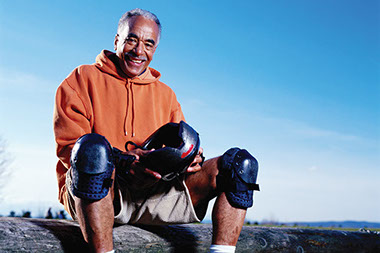
    Image of older man wearing knee pads while holding a helmet.

    Although many athletes understand the importance of keeping their muscles and bones healthy, it’s also important for them to take care of their skin. Sports equipment, especially protective helmets and pads, creates a warm, moist and dark environment for the germs that can cause skin infections to grow.

    “Athletes are at an increased risk of skin infection, which can have serious consequences and may take them-and their teammates-out of the game for days, weeks or months,” said dermatologist Jeffrey V. Benabio. “If athletes notice anything on their skin that itches, burns or may be infected, they should see a board-certified dermatologist or sports medicine doctor.”

    To help prevent skin infections, Dr. Benabio recommends that coaches, athletes, and athletic trainers follow these tips:

    *  Keep cuts and scrapes clean and covered with a bandage until healed. A cut or scrape weakens the skin’s defense and allows germs that cause infections to enter.

    *  Prevent blisters to reduce infections. Apply a pad, gel or spray to areas that routinely blister. To help prevent blisters on the feet, ankles and hands, consider using specialized gloves and socks or wearing two pairs of socks. Athletes should also make sure that their footwear fits properly.

    *  Wear moisture-wicking clothes. This helps keep the athlete’s skin dry and prevents germs from growing.

    *  Wear sandals in the locker room. Wearing sandals or other shoes helps reduce infections on the feet.

    *  Shower after every practice and game. In addition, athletes should use an antimicrobial soap and wash their entire body.

    *  Do not share personal care items. Athletes should always use a clean towel after showering and use their own towels, soaps, razors and other personal care items.

    *  Wash clothes and towels after each use. Sports bags should also be washed, as germs that cause infections can remain in the bags and grow.

    *  Disinfect equipment, including protective gear, daily. For proper disinfection, follow the manufacturers’ instructions.

    *  Perform regular skin checks. Athletes should check their skin daily, especially those in high-risk sports, such as wrestling. Look for any changes, such as cuts, sores, redness, swelling and pus, and report any changes to an athletic trainer or doctor.

    © American Institute for Preventive Medicine

  • Traveling With Diabetes

    SELF-CARE CORNER

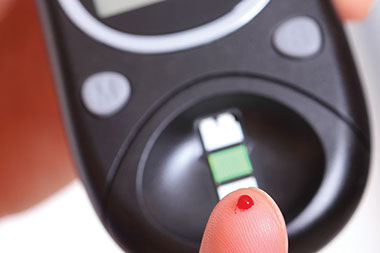
    Image of pricked finger about to test blood glucose levels.

    The American Association of Diabetes Educators suggests a plan for ensuring your next travel adventure is safe and successful.

    Over-pack your medications.

    Gone for a week? Pack two weeks’ worth of your diabetes medications in case of travel delays or misplaced supplies (insulin, syringes, testing strips, extra batteries for your pump, a first-aid kit, glucagon emergency kit). If you use an insulin pump, ask the company if you can bring a backup in case yours fails. Have a prescription from your doctor for insulin or oral medication in case of an emergency.

    Protect your supplies.

    Keep your medications and supplies close at hand and don’t put them in checked luggage or in the car trunk, where they can be exposed to harmful extreme temperatures (too hot or too cold). If you’re flying, keep them in the original packaging (so no one questions they’re yours) in a bag separate from your toiletries, as requested by the TSA. Don’t worry, the TSA allows you to go over the 3.4 liquid-ounce carry-on limit for diabetes medications and supplies.

    Identify yourself.

    Wear your medical bracelet or necklace that notes you have diabetes and take insulin (if you do). Bring a doctor’s note that explains you have diabetes and lists your medications, as well as a prescription in case you need more. Carry a health card that includes your emergency contact and doctor’s name and phone number. Learn how to say “I have diabetes,” “sugar,” and “orange juice, please” in the language of the country you are visiting.

    Carry snacks and low blood sugar treatment.

    Low blood sugar (hypoglycemia) can strike any time and food access during travel is unpredictable, so be sure to bring plenty of snacks such as peanut butter crackers, granola bars, and trail mix as well as glucose tablets or gel.

    Simplify flying.

    Tell the TSA folks that you have diabetes (they’re used to accommodating people with health issues). Visitwww.tsa.gov/traveler-information/passengers-diabetesbefore your trip to learn about current screening policies. If you plan to inject insulin while flying, be forewarned-the pressurized air can make it more challenging to draw up your insulin, if using a vial and syringe, so be extra careful not to inject air into the bottle.

    Test often.

    New foods, increased activity, and different time zones can throw your glucose levels out of whack, so be sure to test frequently, including before and after meals. If you take insulin, keeping your levels steady can be tricky when changing time zones, so make a plan to adjust your schedule for injecting. Before your trip, see a diabetes educator, who can help you with this challenging process.

    Favor your feet.

    Wear comfortable well-fitting shoes and socks at all times. Never go barefoot. Check your feet often, especially after a hike or long walk. Feet and ankles often swell during flights so consider wearing light knee-high compression stockings or bring thinner socks to change into if your feet swell. Wear a shoe that can be loosened if that occurs. Pointing and flexing your ankles during a flight can improve blood flow in your calf muscles and decrease swelling as well as lower the risk of blood clots.

    Prepare for a health emergency.

    If you need medical treatment, ask your hotel to recommend a local doctor who treats diabetes. Before you travel overseas, get a list of local English-speaking doctors through the International Association for Medical Assistance to Travelers atwww.iamat.org.

    © American Institute for Preventive Medicine

  • 6 Steps To Reduce Your Risk For A Stroke

    SELF-CARE CORNER

    Image of an older couple stretching before a workout.

    According to the World Stroke Organization, you can take these 6 steps to reduce your risk of stroke-a blockage or bleeding in your brain:

    1. Know your personal risk factors: high blood pressure, diabetes, and high blood cholesterol.

    2. Be physically active and exercise regularly.

    3. Avoid obesity by keeping to a healthy diet.

    4. Limit your alcohol intake.

    5. Avoid cigarette smoke. If you smoke, seek help to stop.

    6. Learn to recognize the warning signs of a stroke: a sudden numbness, especially on one side of the body; sudden trouble speaking or seeing; loss of balance; and a sudden severe headache with no apparent cause.

    Stroke is a call-911 medical emergency!

    © American Institute for Preventive Medicine

  • Be Ready For Winter – Indoors And Out

    SELF-CARE CORNER

    Image of warm dressed women outside in winter.

    When winter arrives, will you be ready? Being prepared for winter weather is more than having a warm coat and boots in your closet. No matter where you live, you can be prepared and safe all winter long with a few tips fromReady.gov:

    *Use space heaters carefully.Keep them out of reach of little ones. Space heaters get very hot and can burn children’s hands. In addition, some may cause a fire if they are within five feet of furniture or draperies. Keep a working fire extinguisher near space heaters.

    *Have a family plan.Talk to each member of your household about where to go and what to do if you are separated when a storm strikes. Have cell phone numbers programmed into your phones. Keep supplies like blankets and extra food and water in each car.

    *Be aware of carbon monoxide.Anything that runs on gasoline, propane, or kerosene should never be used inside your home or garage. This includes generators, heaters, camp stoves, and grills. They can give off carbon monoxide, which can be deadly. Only use these outdoors and at least 20 feet away from your home.

    *Get your vehicle serviced.Before bad weather comes, get any problems, the battery and antifreeze checked out. Top off fluid levels…Make sure you have good windshield wiper blades.

    *Consider getting a NOAA radio.This can run on batteries if the power goes out and will alert you to a variety of weather hazards.

    *Stay inside.Many people end up with frostbite or injuries from trying to shovel snow during very cold weather. If you can, postpone shoveling until it’s safe to go outside. If you must go outdoors, take frequent breaks indoors to warm up.

    Signs of frostbite

    Frostbite is a dangerous condition that can lead to permanent skin damage or even loss of a limb, according to the Centers for Disease Control  and Prevention. Signs of frostbite include:

    *  Numbness

    *  White or grayish skin color

    *  Skin that feels hard or waxy

    *  Slurred speech

    *  Confusion

    If you think you have frostbite, get inside to a warm area as soon as possible. Loosen or remove wet or tight clothing. Remove jewelry. You may immerse the affected skin in warm water. Do not rub or massage the area. Don’t use hot stoves or heating pads, as the skin can easily burn. Get medical help as soon as possible.

    No matter where you live, it’s wise to be prepared for weather emergencies. Be ready for old man winter before he takes you by surprise.

    © American Institute for Preventive Medicine

  • Does Stress Causeulcers?

    SELF-CARE CORNER

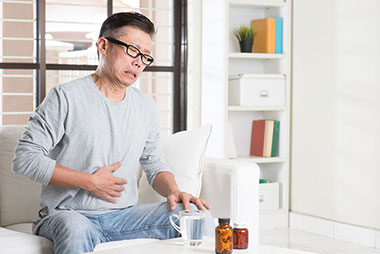
    Image of man holding his stomach in pain.

    A peptic ulcer, commonly called an “ulcer,” is a sore in the stomach caused by acid. Although many people believe that stress causes peptic ulcers, research has shown this is not the case. But there’s a catch: if you already have an ulcer, high stress levels can make it worse.

    The American College of Gastroenterology states that peptic ulcers are actually caused by two things: bacteria and some medicines.

    Helicobacter pylori infection:This bacteria, also called H. pylori, is the most common cause of peptic ulcers. Scientists aren’t sure why some people get infected with this bacteria, but genetics may be partly to blame. If you have symptoms of a peptic ulcer, your doctor may test you for this bacteria. If your test is positive, the infection can be treated with antibiotics and medicines that reduce stomach acid. Once the infection has been treated, your ulcer should go away. If you are prescribed antibiotics, be sure to take the entire course as instructed by your doctor.

    Medicines:Long-term use of NSAIDs (non-steroidal anti-inflammatory drugs) can cause peptic ulcers in some people. NSAIDs include pain relievers like aspirin, ibuprofen, and naproxen. Taking these occasionally will not cause an ulcer, but if you take them for a long time or at high doses, you increase your risk.

    Know the symptoms

    Peptic ulcers often cause burning pain in the stomach or abdominal area. The pain may be worse when you lie down at night or when your stomach is empty. If you have symptoms of an ulcer, your doctor may refer you to a specialist to get further tests done. Proper diagnosis and treatment can usually cure an ulcer.

    If you are taking NSAID medicines and are diagnosed with an ulcer, your doctor may talk with you about finding another treatment.

    If you have an ulcer, you do not have to follow a bland diet. Spicy or rich foods do not make an ulcer worse. Following a healthy diet, however, can improve your health and will help your ulcer heal as quickly as possible after treatment. Visitchoosemyplate.govfor the current Dietary Guidelines for Americans.

    © American Institute for Preventive Medicine

  • How To Stop A Nosebleed

    SELF-CARE CORNER

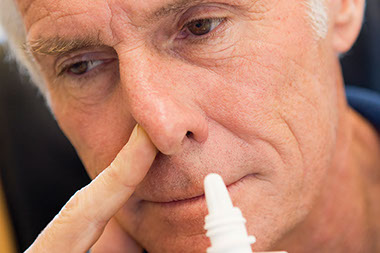
    Image of man using a nasal spray.

    When the furnace fires up and the humidity drops, the nose is most at risk. Nosebleeds can range from a simple, brief annoying amount of bleeding to life-threatening bleeding, according to Dr. Peter Shepard, an ear, nose, and throat expert.

    The nose has a collection of blood vessels called Kiesselbach’s plexus. This area is located at the front of the septum, the cartilage that divides the nose. Vessels from several different main trunks all meet in this spot and are very close to the surface. This is also the area of the nose that tends to dry out the most.

    If the surface cracks, the vessels will bleed. The size of the vessels determines how bad the bleeding is. People are more at risk if they have high blood pressure, take blood thinners, use oxygen, or have a deviated nasal septum.

    The best treatment for nosebleeds is avoiding them in the first place. Unless you can take an extended trip to Hawaii, you’ll want to work on improving the humidity inside your nose.

    Apply Vaseline at the front of your nostril twice a day. Saline spray can be kept with you and used throughout the day.

    If you do have a bleed, a few simple things will usually stop it.

    *  Apply pressure by squeezing the soft part of the nose between your thumb and index finger. Lean forward so you don’t swallow any blood (do not hold your head back, as some suggest).

    *  If that is not enough, oxymetazoline (Afrin) nasal spray can be a miracle drug for nosebleeds. It is a decongestant but works for nosebleeds since it causes blood vessels to tighten. Blow the blood out of the nose, spray twice, and then apply pressure for 15 minutes.

    *  If the bleeding won’t stop, go to the emergency room.

    © American Institute for Preventive Medicine

  • Pain, Pain, Go Away

    SELF-CARE CORNER

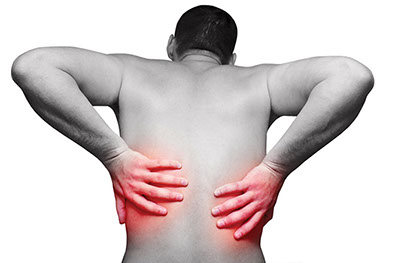
    Image of a man's back in pain.

    We’ve all experienced pain. But when pain doesn’t go away, it’s called chronic pain, and it can be tricky to treat, according to the NIH News in Health. Chronic pain can come from low-back problems, cancer, migraine, fibromyalgia, and other conditions. Long-term pain can affect your daily life and lead to depression.

    Some pain medications target inflammation, too, but come with side effects. NIH scientists are looking for ways to control pain. The following techniques may bring some relief:

    *  Keep your weight in check. Extra weight can slow healing or make some pain worse especially in the back, knees, hips, and feet.

    *  Exercise. If pain keeps you inactive, ask your doctor whether exercise might help.

    *  Get enough sleep. It will improve healing and your mood.

    *  Avoid tobacco, caffeine, and alcohol.

    *  Get the right medical help. If your regular doctor hasn’t found a helpful approach for your pain, see a pain specialist.

    *  Join a pain support group. Talk with others about how they deal with pain.

    © American Institute for Preventive Medicine

  • Still No Flu Shot? It’s Not Too Late

    SELF-CARE CORNER

    Image of fingers crossed with smiling faces drawn in them.

    The flu causes hundreds of thousands of hospitalizations and thousands of deaths each year, according to the Centers for Disease Control and Prevention (CDC). It’s a serious disease that is especially dangerous for babies, the elderly and those with health conditions, such as heart disease.

    Get your flu shot if you haven’t done so yet. You may be wondering if getting a shot now will be helpful, and the answer is “yes!” Here’s why:

    *  Getting the shot now means you could be protected before the peak of the holiday season. It takes about 2 weeks to get the full immunity from a flu shot.

    *  Flu season usually continues until March or even April of each year. Getting the shot now means months of protection!

    *  As long as the flu keeps spreading, the flu shot can keep you from getting sick.

    *  If you do get sick, your illness will probably be much milder.

    *  No one likes to have a fever, chills, cough, headache, sore throat, body aches, nausea or vomiting. Getting the flu shot now means you reduce your risk of getting all these symptoms from the flu this season. The flu is much more serious than a cold.

    Top flu shot myths busted

    Many people have heard myths about the flu shot and may wonder if it’s safe and effective. Check out these common misconceptions and the truth about the flu shot:

    Myth: You can get sick from the flu shot.

    Fact:The flu shot cannot make you sick with the flu. It contains inactivated (killed) viruses. Some people have mild side effects that last only a day or so that include aches, soreness and a low fever. These side effects are much shorter and milder than getting the flu.

    Myth: I got the flu shot last year, so I don’t need a new one.

    Fact:The flu shot changes each year based on what flu viruses are going around. Experts choose several viruses that are most likely to make people sick and include them in the vaccine. Last year’s vaccine may not offer protection against this year’s viruses.

    Myth: It’s better to just get the flu and get immunity that way.

    Fact:While most healthy people will recover from the flu without problems, this is a dangerous risk to take. Anyone who gets the flu can be at risk of having serious problems. And, there is a high risk of spreading it to loved ones, especially babies, the elderly and people with weakened immune systems.

    © American Institute for Preventive Medicine