Category: Self-Care Corner

  • How To Stop A Nosebleed

    SELF-CARE CORNER

    Image of man using a nasal spray.

    When the furnace fires up and the humidity drops, the nose is most at risk. Nosebleeds can range from a simple, brief annoying amount of bleeding to life-threatening bleeding, according to Dr. Peter Shepard, an ear, nose, and throat expert.

    The nose has a collection of blood vessels called Kiesselbach’s plexus. This area is located at the front of the septum, the cartilage that divides the nose. Vessels from several different main trunks all meet in this spot and are very close to the surface. This is also the area of the nose that tends to dry out the most.

    If the surface cracks, the vessels will bleed. The size of the vessels determines how bad the bleeding is. People are more at risk if they have high blood pressure, take blood thinners, use oxygen, or have a deviated nasal septum.

    The best treatment for nosebleeds is avoiding them in the first place. Unless you can take an extended trip to Hawaii, you’ll want to work on improving the humidity inside your nose.

    Apply Vaseline at the front of your nostril twice a day. Saline spray can be kept with you and used throughout the day.

    If you do have a bleed, a few simple things will usually stop it.

    *  Apply pressure by squeezing the soft part of the nose between your thumb and index finger. Lean forward so you don’t swallow any blood (do not hold your head back, as some suggest).

    *  If that is not enough, oxymetazoline (Afrin) nasal spray can be a miracle drug for nosebleeds. It is a decongestant but works for nosebleeds since it causes blood vessels to tighten. Blow the blood out of the nose, spray twice, and then apply pressure for 15 minutes.

    *  If the bleeding won’t stop, go to the emergency room.

    © American Institute for Preventive Medicine

  • Pain, Pain, Go Away

    SELF-CARE CORNER

    Image of a man's back in pain.

    We’ve all experienced pain. But when pain doesn’t go away, it’s called chronic pain, and it can be tricky to treat, according to the NIH News in Health. Chronic pain can come from low-back problems, cancer, migraine, fibromyalgia, and other conditions. Long-term pain can affect your daily life and lead to depression.

    Some pain medications target inflammation, too, but come with side effects. NIH scientists are looking for ways to control pain. The following techniques may bring some relief:

    *  Keep your weight in check. Extra weight can slow healing or make some pain worse especially in the back, knees, hips, and feet.

    *  Exercise. If pain keeps you inactive, ask your doctor whether exercise might help.

    *  Get enough sleep. It will improve healing and your mood.

    *  Avoid tobacco, caffeine, and alcohol.

    *  Get the right medical help. If your regular doctor hasn’t found a helpful approach for your pain, see a pain specialist.

    *  Join a pain support group. Talk with others about how they deal with pain.

    © American Institute for Preventive Medicine

  • Stay In The Game

    SELF-CARE CORNER

    Image of older man wearing knee pads while holding a helmet.

    Although many athletes understand the importance of keeping their muscles and bones healthy, it’s also important for them to take care of their skin. Sports equipment, especially protective helmets and pads, creates a warm, moist and dark environment for the germs that can cause skin infections to grow.

    “Athletes are at an increased risk of skin infection, which can have serious consequences and may take them-and their teammates-out of the game for days, weeks or months,” said dermatologist Jeffrey V. Benabio. “If athletes notice anything on their skin that itches, burns or may be infected, they should see a board-certified dermatologist or sports medicine doctor.”

    To help prevent skin infections, Dr. Benabio recommends that coaches, athletes, and athletic trainers follow these tips:

    *  Keep cuts and scrapes clean and covered with a bandage until healed. A cut or scrape weakens the skin’s defense and allows germs that cause infections to enter.

    *  Prevent blisters to reduce infections. Apply a pad, gel or spray to areas that routinely blister. To help prevent blisters on the feet, ankles and hands, consider using specialized gloves and socks or wearing two pairs of socks. Athletes should also make sure that their footwear fits properly.

    *  Wear moisture-wicking clothes. This helps keep the athlete’s skin dry and prevents germs from growing.

    *  Wear sandals in the locker room. Wearing sandals or other shoes helps reduce infections on the feet.

    *  Shower after every practice and game. In addition, athletes should use an antimicrobial soap and wash their entire body.

    *  Do not share personal care items. Athletes should always use a clean towel after showering and use their own towels, soaps, razors and other personal care items.

    *  Wash clothes and towels after each use. Sports bags should also be washed, as germs that cause infections can remain in the bags and grow.

    *  Disinfect equipment, including protective gear, daily. For proper disinfection, follow the manufacturers’ instructions.

    *  Perform regular skin checks. Athletes should check their skin daily, especially those in high-risk sports, such as wrestling. Look for any changes, such as cuts, sores, redness, swelling and pus, and report any changes to an athletic trainer or doctor.

    © American Institute for Preventive Medicine

  • Traveling With Diabetes

    SELF-CARE CORNER

    Image of pricked finger about to test blood glucose levels.

    The American Association of Diabetes Educators suggests a plan for ensuring your next travel adventure is safe and successful.

    Over-pack your medications.

    Gone for a week? Pack two weeks’ worth of your diabetes medications in case of travel delays or misplaced supplies (insulin, syringes, testing strips, extra batteries for your pump, a first-aid kit, glucagon emergency kit). If you use an insulin pump, ask the company if you can bring a backup in case yours fails. Have a prescription from your doctor for insulin or oral medication in case of an emergency.

    Protect your supplies.

    Keep your medications and supplies close at hand and don’t put them in checked luggage or in the car trunk, where they can be exposed to harmful extreme temperatures (too hot or too cold). If you’re flying, keep them in the original packaging (so no one questions they’re yours) in a bag separate from your toiletries, as requested by the TSA. Don’t worry, the TSA allows you to go over the 3.4 liquid-ounce carry-on limit for diabetes medications and supplies.

    Identify yourself.

    Wear your medical bracelet or necklace that notes you have diabetes and take insulin (if you do). Bring a doctor’s note that explains you have diabetes and lists your medications, as well as a prescription in case you need more. Carry a health card that includes your emergency contact and doctor’s name and phone number. Learn how to say “I have diabetes,” “sugar,” and “orange juice, please” in the language of the country you are visiting.

    Carry snacks and low blood sugar treatment.

    Low blood sugar (hypoglycemia) can strike any time and food access during travel is unpredictable, so be sure to bring plenty of snacks such as peanut butter crackers, granola bars, and trail mix as well as glucose tablets or gel.

    Simplify flying.

    Tell the TSA folks that you have diabetes (they’re used to accommodating people with health issues). Visitwww.tsa.gov/traveler-information/passengers-diabetesbefore your trip to learn about current screening policies. If you plan to inject insulin while flying, be forewarned-the pressurized air can make it more challenging to draw up your insulin, if using a vial and syringe, so be extra careful not to inject air into the bottle.

    Test often.

    New foods, increased activity, and different time zones can throw your glucose levels out of whack, so be sure to test frequently, including before and after meals. If you take insulin, keeping your levels steady can be tricky when changing time zones, so make a plan to adjust your schedule for injecting. Before your trip, see a diabetes educator, who can help you with this challenging process.

    Favor your feet.

    Wear comfortable well-fitting shoes and socks at all times. Never go barefoot. Check your feet often, especially after a hike or long walk. Feet and ankles often swell during flights so consider wearing light knee-high compression stockings or bring thinner socks to change into if your feet swell. Wear a shoe that can be loosened if that occurs. Pointing and flexing your ankles during a flight can improve blood flow in your calf muscles and decrease swelling as well as lower the risk of blood clots.

    Prepare for a health emergency.

    If you need medical treatment, ask your hotel to recommend a local doctor who treats diabetes. Before you travel overseas, get a list of local English-speaking doctors through the International Association for Medical Assistance to Travelers atwww.iamat.org.

    © American Institute for Preventive Medicine

  • 6 Things To Know Before Taking Any Medicines

    SELF-CARE CORNER

    Image of women reading medication information.

    The Centers for Disease Control and Prevention (CDC) says that adverse drug events (ADEs) are a serious public health problem. An ADE is when an injury occurs after taking medicine. With 82 percent of Americans taking at least one medication, ADEs could happen to almost anyone.

    ADEs can be serious, and even deadly. They may include:

    *  Side effects from a medicine

    *  Interactions with other medicines or supplements

    *  Allergic reactions to a medicine

    *  Overdoses

    *  Taking the wrong dose or type of medicine

    You can avoid ADEs with a few simple steps. Do these things today to keep yourself and loved ones safe:

    1.Be aware of any interactions before you take a medicine.Some medicines should not be taken with certain foods, such as grapefruit or grapefruit juice. Others can cause side effects if taken with certain herbs and supplements. Because of possible interactions, be sure your doctor knows everything you take, including natural supplements, vitamins and herbs. If you’re caring for an aging family member, keep track of all their medications and show the list to their doctors during appointments. If you see more than one doctor, make sure all your doctors know which medications you take.

    2.Keep them secure, out of reach from others.Something that’s safe for you to take could be dangerous – or even deadly – to a child or pet. Keep all medicines out of reach of kids and pets, preferably with child-proof packaging.

    3.Take only the dose you are prescribed.If you feel your medication isn’t working, talk to your doctor about options. Taking a higher dose than what’s prescribed or mixing it with other medications can lead to serious side effects or overdoses.

    4.Don’t share your medicines.It can be dangerous to give someone a prescription drug that wasn’t prescribed to them. Even over-the-counter medicines should be used with caution, especially if a person has health conditions or is taking other medicines.

    5.Keep medicines in their original bottles.Putting medicines in other containers could lead to someone accidentally taking the wrong medicine. It also makes it more difficult to keep track of what you’re taking.

    6.Dispose of expired or unneeded medicines correctly.Using a drug “take-back” program is a safe option. If you must throw them away, don’t flush them. Put them in the household trash with kitty litter or coffee grounds. For complete information on medicine disposal, visit the FDA website atwww.fda.gov.

    © American Institute for Preventive Medicine
  • Better Health Is In Your Pocket

    SELF-CARE CORNER

    Image of doctor holding up a smart phone.

    Most people spend time every day on their smartphone or tablet. Why not put that time to good use by downloading an app that can help you improve your health? There are thousands of health apps available to suit many different health goals and personality types. Check out some of these health apps you can start using today:

    Relax Melodies by Ipnos Software(for iPhone and Android)

    Quality sleep and stress management are an important part of good health. This app lets you choose your favorite sounds to create a personalized relaxing song that helps you relieve stress and sleep better.

    Calorie Counter by MyFitnessPal(for Android)

    For those trying to make better food choices or lose weight, sometimes knowing how much you eat can make a big difference. This app allows you to track food intake and exercise with a large food database. Connect with other users for encouragement and support.

    Diet Controller by Margaret Dangerfield(for iPhone)

    This app can help you view your eating and fitness activities on your devices. Log and track your daily food intake with a USDA-based food database. Users also can create charts and reports while tracking nutrients, calories and exercise.

    Hydro Coach by Codium App Ideas(for Android) orWater App by Inspiring Life Technologies(for iPhone)

    Drinking water is an easy, healthy way to fight fatigue and may help you consume fewer calories. These apps are designed to help you track how much you’re drinking and to offer reminders when it’s time for another glass.

    Quitter’s Circle by Pfizer Inc. and the American Lung Association(for iPhone and Android)

    For those trying to quit smoking, this app allows you to create a personalized quit plan, connect with others for support, get quitting tips, and celebrate milestones.

    Hundreds of health-related apps are available today – and many of them cost less than $10. Try an app that suits your life for a high-tech way to be healthier!

    © American Institute for Preventive Medicine

  • Don’T Be Rash

    SELF-CARE CORNER

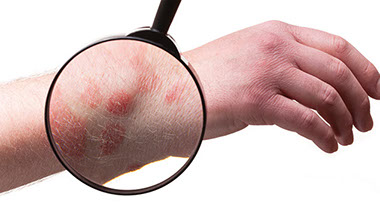
    Image of rash on a person's arm.

    It’s itchy and red. Maybe painful. A rash is your immune system’s way of saying, “I’m protecting you.”

    When skin cells detect something suspicious (such as poison ivy or chickenpox), they begin a chain reaction that leads to inflammation or swelling. Doctors call it dermatitis. But you might think of it as a rash.

    Rashes can be caused by bacteria, viruses, drugs, allergies, genetic disorders, and even light. So it’s important to find out what is causing the rash. Most rashes clear up and go away quickly. Others may need care over a long time.

    Call your doctor if any of these are true, advises the NIH News in Health:

    *  Your rash is so uncomfortable or painful it interferes with daily activities or sleep.

    *  The rash is on your face.

    *  Your rash looks worrisome or seems infected.

    *  You break out in a rash after taking a new medication.

    *  Your rash lasts for several days.

    © American Institute for Preventive Medicine

  • If At First You Don’T Succeed, Try, Try Again

    SELF-CARE CORNER

    Image of young women crushing a cigarette in her hand.

    According to the U.S. Surgeon General, more than 51 million Americans have had success at quitting smoking. Many smokers did not quit on their first try and needed several attempts to have success to quit for good. If you smoke, keep trying to quit.

    “Quitting smoking is one of the single most effective things someone can do to improve their health,” said Harold P. Wimmer, National President and CEO of the American Lung Association.

    It may not be easy to, but the benefits are well worth it:

    *  Within 20 minutes, your heart rate and blood pressure drop.

    *  Within 12 hours, the carbon monoxide level in your blood stream drops to normal.

    *  Within 3 days, the nicotine leaves your body.

    *  Within 3 months, your circulation and lung function improves.

    *  After 9 months, you will cough less and breathe easier.

    *  After 1 year, your risk of coronary heart disease is cut in half.

    *  After 5 years, your risk of cancer of the mouth, throat, esophagus, and bladder are cut in half.

    *  After 10 years, you are one-half as likely to die from lung cancer, and your risk of larynx or pancreatic cancer decreases.

    *  After 15 years, your coronary heart disease risk is the same as a non-smoker’s.

    Get help to quit smoking

    *  Talk to your doctor. He or she can recommend counseling or coaching plus over-the-counter nicotine patches, gum, or lozenges or FDA-approved medications. If you are a Veteran, talk to your health care team about VA tobacco cessation programs and services that are available to you.

    *  Call 1-800-QUIT-NOW (1-800-784-8669). This is the national number to access state-based quitline services.

    *  Smokefree.gov atwww.smokefree.govor text QUIT to 47848, answer a few questions, and you’ll start receiving messages

    *www.cdc.gov/tips

    *  Smokefree Apps: quitSTART and QuitGuide. Download these from your Smartphone’s  App Store or Google Play.

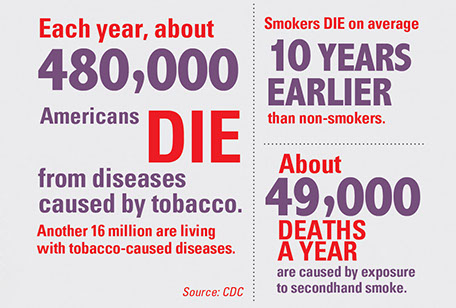
    Chart with tobacco facts from the CDC.

    © American Institute for Preventive Medicine
  • Prevent Diabetes

    SELF-CARE CORNER

    Image of home testing glucose machine surrounded by vegetables.

    Diabetes may run in your family, but you can avoid or delay its development.

    You can reduce your risk for type 2 diabetes by eating a healthy diet, getting plenty of physical activity, and losing  excess weight, according to NIH in Health. Type 2 diabetes occurs due to problems related to a hormone called insulin. When your body digests food, it’s broken down and converted to glucose and other molecules, which then travel through the bloodstream. Insulin signals cells to let glucose in for use as an energy source.

    In a person with type 2 diabetes, either the body’s cells have trouble using insulin or the body isn’t making enough insulin. As a result, glucose can build up to harmful levels in the blood. That’s why people with diabetes often have high blood glucose levels.

    These high levels raise your risk for heart disease, kidney problems, blindness, amputations, and other serious conditions.

    Being overweight, obese, or inactive increases the risk to develop type 2 diabetes. You can change these risk factors. Losing just 5-10 percent of your weight and exercising 30 minutes a day on 5 days a week goes a long way to lower your risk.

    Steps to prevent diabetes

    *  Move more. It doesn’t matter what activity you do, as long as you enjoy it.

    *  Choose healthy foods. Eat fiber-rich fruits and vegetables.

    *  Maintain a healthy weight. With healthy eating and physical activity, you can drop pounds and keep them off.

    *  Set reasonable goals. Start with small changes, even walking 15 minutes a day. Add 5 minutes per day next week and so on. Goal: 30 minutes, 5 days a week.

    *  Record your progress. Keep a diary of what you eat and drink and the number of minutes you exercise to stay focused on your goal.

    *  Keep at it. Making even small changes is hard in the beginning. If you get off track, start again.

    © American Institute for Preventive Medicine

  • Still No Flu Shot? It’S Not Too Late

    SELF-CARE CORNER

    Image of fingers crossed with smiling faces drawn in them.

    The flu causes hundreds of thousands of hospitalizations and thousands of deaths each year, according to the Centers for Disease Control and Prevention (CDC). It’s a serious disease that is especially dangerous for babies, the elderly and those with health conditions, such as heart disease.

    Get your flu shot if you haven’t done so yet. You may be wondering if getting a shot now will be helpful, and the answer is “yes!” Here’s why:

    *  Getting the shot now means you could be protected before the peak of the holiday season. It takes about 2 weeks to get the full immunity from a flu shot.

    *  Flu season usually continues until March or even April of each year. Getting the shot now means months of protection!

    *  As long as the flu keeps spreading, the flu shot can keep you from getting sick.

    *  If you do get sick, your illness will probably be much milder.

    *  No one likes to have a fever, chills, cough, headache, sore throat, body aches, nausea or vomiting. Getting the flu shot now means you reduce your risk of getting all these symptoms from the flu this season. The flu is much more serious than a cold.

    Top flu shot myths busted

    Many people have heard myths about the flu shot and may wonder if it’s safe and effective. Check out these common misconceptions and the truth about the flu shot:

    Myth: You can get sick from the flu shot.

    Fact:The flu shot cannot make you sick with the flu. It contains inactivated (killed) viruses. Some people have mild side effects that last only a day or so that include aches, soreness and a low fever. These side effects are much shorter and milder than getting the flu.

    Myth: I got the flu shot last year, so I don’t need a new one.

    Fact:The flu shot changes each year based on what flu viruses are going around. Experts choose several viruses that are most likely to make people sick and include them in the vaccine. Last year’s vaccine may not offer protection against this year’s viruses.

    Myth: It’s better to just get the flu and get immunity that way.

    Fact:While most healthy people will recover from the flu without problems, this is a dangerous risk to take. Anyone who gets the flu can be at risk of having serious problems. And, there is a high risk of spreading it to loved ones, especially babies, the elderly and people with weakened immune systems.

    © American Institute for Preventive Medicine