Category: Self-Care Corner

  • Using Decongestants Safely

    SELF-CARE CORNER

    Image of man sneezing into a tissue.

    As we approach the peak season for colds and flu, many people turn to over-the-counter medicines for relief. And if you have a stuffy nose (known as nasal congestion), you may be thinking about taking a decongestant.

    What are decongestants?

    Decongestants are medicines designed to relieve stuffiness and pressure in the nose and sinuses. The two over-the-counter decongestants available are phenylephrine (i.e., Sudafed PE) and pseudoephedrine. Pseudoephedrine are stocked behind a pharmacy counter, but you don’t need a prescription. Both medicines work by shrinking blood vessels in the nose, allowing air to pass through more easily.

    Are decongestants safe?

    Decongestants are safe when they are used properly. Here’s what to know before you take one:

    *  Read the label and be sure you understand how much you can take and how often to take it. If you’re not sure, ask your pharmacist or doctor.

    *  Know the active ingredients. Many cold and flu products contain several active ingredients. They are listed on the drug facts label at the top. Be sure you don’t accidentally take too much of one ingredient. For instance, many cold products contain acetaminophen, a pain reliever that can be toxic in high doses. If you’ve already taken a pain reliever with acetaminophen and you take the cold medicine too, you could take too much acetaminophen.

    *  Talk to your doctor before taking a decongestant if you have diabetes, heart conditions, high blood pressure, glaucoma, prostate problems or thyroid disease.

    *  If you take other over-the-counter or prescription medicines, ask your doctor if decongestants can be safely taken with your other medicines.

    *  Do not give decongestants or any cough or cold product to kids under 4 years of age. Ask your child’s pediatrician before giving them any medicines.

    *  Talk to your doctor if you need to take a decongestant for longer than a week.

    What about nasal sprays?

    Saline nasal sprays with no medicine in them are safe to use daily, as often as needed. These can help flush out allergens and mucus so you can breathe easier. Not sure if it’s just saline? Look at the drug facts label and be sure it contains only sodium chloride as the active ingredient.

    But, decongestant sprays that contain active ingredients are not safe to take for more than three days in a row. This is because your body can become dependent on them. When this happens, your nose may become even stuffier over time, and you’ll have to use more and more spray to get relief.

    Medicines can help you cope with bothersome cold and flu symptoms. But, be safe and savvy before you take them – and keep them in a locked cabinet out of children’s reach!

    Sources: American Academy of Family Physicians, Food and Drug Administration

    © American Institute for Preventive Medicine

  • A Burning Issue: How To Handle Household Burns

    SELF-CARE CORNER

    Image of a mother helping daughter with a burn on the arm.

    Accidental burns can happen just about anywhere in your home, and they’re not always caused by fire. Hot objects or liquids, friction, the sun, electricity, or certain chemicals can also cause burns.

    Each year, about a half-million people nationwide seek medical attention for burns. Household burns lead to nearly 7 of 10 admissions to burn centers. The good news is that the number of deaths from severe burns has dropped by more than half over the past 4 decades, in large part because of treatments developed through NIH-funded research.

    Burns result in skin or tissue damage. The severity of a burn depends on the area it covers and how deep the damage goes. First-degree burns affect only the thin top layer of skin. Second-degree burns include the thick lower layer of skin. A third-degree burn is the most serious; it penetrates the entire thickness of the skin, permanently destroying it and the tissue that’s underneath.

    You can care for most minor burns at home. If the burn is red and painful with mild swelling or little blistering, then it’s a first-degree or minor second-degree burn.

    See a doctor if the burn is dark red and looks glossy with a lot of blistering. These are signs of a deep second-degree burn. Get immediate treatment if the burned skin is dry and leathery, perhaps with white, brown, or black patches. These are signs of a third-degree burn.

    Burns can become infected with bacteria or other germs if protective layers of skin are lost. Burns can also lead to painful inflammation, as your immune system shifts into gear.

    First aid for burns

    For minor burns:

    *  Immerse in fresh, cool water or apply cool compresses for 10 to 15 minutes.

    *  Dry the area with a clean cloth. Cover with sterile gauze or a non-adhesive bandage.

    *  Don’t apply ointments or butter; these may cause infection.

    *  Don’t break blisters.

    *  Over-the-counter pain medications may help reduce inflammation and pain.

    Call emergency services (911) if:

    *  Burns cover a large area of the body

    *  Burns affect the entire thickness of skin

    *  The victim is an infant or elderly

    *  The burn was caused by electricity, which can lead to “invisible” burns

    © American Institute for Preventive Medicine

  • Bites On The Hand That Feeds It

    SELF-CARE CORNER

    Image of different pets, including dogs, cats, rabbits and hamsters.

    More than 4 million people are bitten by dogs and cats each year. And orthopedic surgeon Dr. Stephen Kennedy said all bites to the hand should receive medical care, although he says most people are reluctant to see a doctor.

    Animal saliva contains a broad range of bacteria. Adult dog jaws, especially among larger breeds, can bite with a force of more than 300 pounds, and when combined with the variety and sharpness of their teeth can cause significant injuries to hand and finger ligaments, tendons, and bones.

    Cats do not have the jaw strength of dogs, but their sharp, narrow teeth also can cause serious injury. Up to half of cat bites get infected.

    Signs of infection:

    *  Redness

    *  Swelling

    *  Pain that worsens

    *  Fever

    If a bite occurs:

    *  Inspect the hand carefully for any puncture wounds. Even a small wound can inject lethal bacteria under the skin.

    *  If there is a puncture wound of any size, wash it as soon as possible with soap and water. Then seek medical advice.

    *  Get immediate medical attention if you see redness, feel increasing pain over time, or see red streaking up the hand or arm (or along a tendon). These are signs of a serious infection.

    Antibiotics are often given to reduce the chance of infection. More serious bites may need surgery to clean the wound.

    © American Institute for Preventive Medicine

  • Don’T Let The Bed Bugs Bite

    SELF-CARE CORNER

    Image of women making bed.

    Bed bugs have become more common in the U.S. in recent years. Common pesticides used to kill bed bugs may not work as well as they once did. The bugs may be getting “resistant,” which means they can survive pesticides used on them. This resistance, along with increased travel by people and lack of knowledge about how to get rid of them, are likely to blame for the rise in these pests.

    Bed bugs feed on blood so they are attracted to people and animals. They also come out at night, so the bed is the best place for them to find their meal.

    Check for bed bugs

    If you want to keep bed bugs out, you’ll need to check your home, as well as hotels while traveling. Look for small, reddish brown bugs about the size of an apple seed. Use a flashlight to get a good look. Check:

    *  Under and all around the mattress, box spring and bed frame

    *  Seams and small crevices where they like to hide –  bed bugs can get into cracks as thin as a credit card

    *  Nightstands and other furniture near beds

    Do I have bed bugs?

    Even if you don’t see any bugs, watch for signs that they are hiding in your home and biting people. The most common signs of bed bugs include:

    *  Small, reddish spots on bed sheets or mattresses

    *  Small round, dark spots on the bed  (may look like ink spots)

    *  Tiny eggs, egg shells or light yellow skins

    How to prevent them

    Bed bugs have been found in clean homes that are well cared for. They can be hard to keep out. These tips can help you keep them away:

    *  Check for bed bugs when you travel and don’t put your suitcase on the bed.

    *  When you get home from a trip, immediately wash your travel clothes in hot water.

    *  Keep luggage outside when you get home and vacuum it thoroughly. Empty the vacuum contents into a plastic bag, seal it and throw it in the garbage outside.

    If you find a bug that might be a bed bug, tape it to a piece of paper so you can show it to a pest control expert. Call a pest control company right away. If you live in an apartment or rental home, contact your landlord about what to do.

    The Environmental Protection Agency has information about getting rid of them on their website. Visitwww.epa.gov/bedbugs.

    Sources: National Institutes of Health, Environmental Protection Agency

    © American Institute for Preventive Medicine

  • Is Your Desk Dining Making You Sick?

    SELF-CARE CORNER

    Image of business man eating lunch at his desk.

    A whopping 83% of Americans typically eat in their office or cubicle in an effort to save time and money. But you’re “out to lunch” if you don’t practice safe food handling.

    According to a new survey by the American Dietetic Association* and ConAgra Foods’ Home Food Safety program, many working Americans eat breakfast and lunch and snack throughout the day at their desks. Best defense:

    *  Wash your hands and clean the desktop. Only half of all Americans say they always wash their hands before eating lunch. In order to reduce the risk of foodborne illness, wash your hands with soap and warm water before and after handling food and keep your desk stocked with moist towelettes or a hand sanitizer for those times you can’t get to the sink. A University of Arizona study found that the average desktop has 100 times more bacteria than a kitchen table and 400 times more than the average toilet seat.

    *  Clean the office fridge. Even though virtually all workplaces now have a refrigerator, is it ever cleaned? Take turns and have a sign-up sheet. And stick a refrigerator thermometer in it to ensure food is safely stored below 40ºF. (Don’t let perishable foods sit out for more than 2 hours.)

    *  And that office microwave? Leftovers and frozen meals are easy, quick, and inexpensive lunch options. But make sure you zap them long enough to kill harmful bacteria. Reheat leftovers to 165ºF.

    *The American Dietetic Association* is now known as the National Academy of Nutrition and Dietetics.

    © American Institute for Preventive Medicine

  • Prevent Vision Loss

    SELF-CARE CORNER

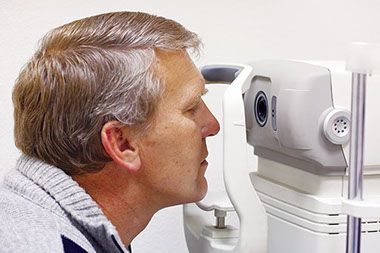
    Image of older man getting an eye exam.

    Glaucoma is a leading cause of irreversible blindness. When glaucoma is treated in its early stages, vision loss can be prevented. Yet studies show that more than half of people with glaucoma don’t use their medications properly.

    The American Academy of Ophthalmology offers this advice:

    *Be honest with your eye doctor about your medication difficulties.Missed a dose? It may not seem to matter much, but research shows that skipping doses can cause your glaucoma to become more severe. Ask about the best way to make up for a missed dose and how to manage your medications.

    *Use memory aids.The most common reason for not taking eye drops is forgetfulness. Try simple memory aids like linking your eye drop schedule to other things you do routinely such as brushing your teeth. Mark times you take your medication on a calendar. Set an alarm on your smartphone.

    *Perfect the “pocket.”Giving yourself eye drops can be challenging. In fact, research has shown that nearly 30% of people taking glaucoma medication are not properly applying their eye drops. Gently pull and pinch the lower lid to make a pocket to catch your drops. Once the drops are in, close your eyes (do not blink) and apply pressure to the point where the lids meet the nose for 2 to 3 minutes. Maybe a loved one can help you apply the drops at home.

    Who’s at risk for developing glaucoma?

    Risk factors include age, family history of glaucoma, African-American and Hispanic-American ancestry, diabetes, and past eye injuries. The American Academy of Ophthalmology recommends that all people get an eye exam by age 40, especially those who have a higher risk of glaucoma.

    © American Institute for Preventive Medicine
  • Secrets For Healthier Feet

    SELF-CARE CORNER

    The word "Summer" spread across an illustration of the sun.

    Podiatrist Dr. Lauren Kishman, Akron General Orthopedics, knows the most common foot complaints and lets you in on some secrets to get your feet summer-ready.

    Sweaty, smelly feet?

    Use antiperspirant on your feet. Why? Because you have sweat glands on your feet too. Change out your socks often and try a clear roll-on antiperspirant on the bottom of your feet. Apply after showering and drying your feet. If an over-the-counter antiperspirant doesn’t work, you can try a prescription-strength antiperspirant.

    Avoid fungus.

    Wear sandals around the pool. If you have athlete’s foot, over-the-counter antifungal medications are generally successful. Nail fungus, though, is typically more difficult to treat and often will require prescription medication to recover completely.

    Don’t leave nail polish on all summer.

    The chemicals and dyes in nail polish can discolor or crack nails. Remove nail polish after about 2 weeks and give your toes a break before reapplying.

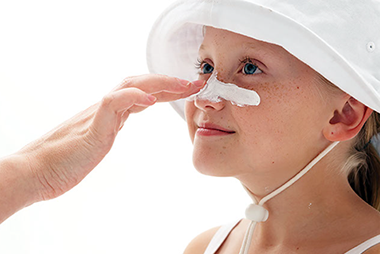
    Apply sunscreen all over your feet.

    Skin cancer can affect the feet. If you notice any suspicious or dark spots on your feet-on your skin or underneath the nails-see a doctor to get them checked out. If you have cracking or dry skin, lotions that contain urea or ammonium lactate can help.

    © American Institute for Preventive Medicine

  • Vaccinations For Adults

    SELF-CARE CORNER

    Image of nurse giving a patient a shot.

    Do you think shots are only for kids? Actually, there are several important vaccines you need as an adult.

    Vaccinations protect yourself from disease, but also protect people around you. Young babies who aren’t yet vaccinated or people with weak immune systems can benefit from your vaccination. You will be less likely to spread an illness, such as whooping cough, to someone who is more likely to get sick.

    Don’t wait until it’s too late. Ask your doctor about which vaccines you may need at your next well visit.

    Adults may get shots for a variety of reasons:

    *  You need to be vaccinated for something that affects adults, such as the flu.

    *  You need boosters of vaccines you got as a child. This is because many vaccines start to lose their protection over time.

    *  You didn’t receive the complete set of vaccines in your youth and want to be protected now.

    The CDC says that all adults should get:

    *Influenza vaccine.This helps prevent influenza, or the flu. You get this every year.

    *Td vaccine.This protects you from tetanus and you should get one every 10 years.

    *Tdap vaccine instead of Td vaccine (one time only).This protects against tetanus and diphtheria plus whooping cough (pertussis). Pregnant women should get the Tdap vaccine during each pregnancy.

    *Pneumonia vaccine.This helps prevent certain bacteria that can cause pneumonia. Ask your doctor when you should get this vaccine.

    *Shingles vaccine.This can prevent shingles, a painful rash that can develop from a previous chickenpox infection.

    Other shots may also be recommended for you. Not every adult needs the same vaccines. Some will depend on your past vaccines, your age, lifestyle and health. Talk with your doctor about whether you need other shots.

    © American Institute for Preventive Medicine