Category: Self-Care Corner

  • What To Do When Your Heel Hurts

    SELF-CARE CORNER

    Image of heel walking on bare floor.

    Heel pain is the most common foot and ankle problem. Often, a sore heel is not serious. But if you ignore it and keep using the foot, it could get worse.

    When it comes to heel pain, the first clue is where the heel hurts. Pain at the bottom of the heel is different from pain behind the heel.

    Pain underneath the heel

    *  Plantar fasciitis. This happens when activity inflames the tissue band that runs along the bottom of the foot. Sometimes, people get plantar fasciitis from wearing shoes that don’t properly support their foot. It’s often worse when you first get up in the morning. It can usually be resolved with rest, wearing special inserts in the shoes and/or physical therapy.

    *  Heel spur. A heel spur is a buildup of calcium that causes a bony bump on the heel bone. It usually happens if a person has plantar fasciitis for a long time. Treatment is usually similar to plantar fasciitis treatment.

    *  Stone bruise. Stepping on a hard object like a stone can injure the bottom of the heel. If you stepped on something recently, try to rest and protect the foot for a few days until it feels better. Wear shoes when you go outside to prevent this from happening in the future.

    Pain behind the heel

    Pain in the back of the heel is usually due to a problem with the Achilles tendon. This tendon connects the heel bone to the calf muscle. Heavy activity or exercise can put too much stress on the tendon too quickly. This can cause Achilles tendinitis, which includes small tears and inflammation in the tendon. Treatment may include:

    *  Physical therapy

    *  Rest

    *  Ice

    *  Orthotic(s) (shoe inserts)

    *  Night splint (device worn at night to protect the foot and tendon)

    People who have Achilles tendinitis may need to avoid the activity that caused it, such as running or jumping.

    Respect your feet

    Many people ignore heel pain, hoping it will go away. But, untreated problems with the foot may only get worse over time without treatment. If your heel pain lasts more than a couple of days, or if you have a health condition like diabetes, see a doctor right away.

    Source: American Academy of Orthopaedic Surgeons, American College of Foot and Ankle Surgeons

    © American Institute for Preventive Medicine

  • Eating Right With Gout

    SELF-CARE CORNER

    Variety of leaft greens.

    Gout is a type of arthritis. It can develop if a person has high levels of a substance called uric acid in their blood. Uric acid can form sharp crystals in the joints. This can cause severe pain, redness, warmth and swelling. Gout often affects the big toe, but it can affect other joints.

    Sometimes gout doesn’t cause any pain for a while. Then, a person may get severe pain in the affected joint. This is called a gout attack. When a gout attack happens, uric acid levels go up or the crystals in the joint cause irritation. A gout attack is very painful.

    In addition to pain, gout can cause heart problems. People who have gout may be more likely to have heart failure, a heart attack or stroke. Eating certain foods can help keep uric acid levels low. This can help a person prevent gout attacks.

    What to eat with gout

    If you have gout, you may want to eat more of the following foods:

    *  Leafy green vegetables

    *  Other green vegetables like green beans and peas

    *  Legumes like beans and lentils

    *  Tofu

    *  Low-fat or fat-free milk and dairy products

    *  Whole grain breads and cereals

    *  Vegetable oils like olive oil

    *  Coffee (if you already drink it)

    *  Citrus fruits like grapefruit and oranges

    *  Pineapple

    *  Strawberries

    *  Cherries

    In addition, drink at least eight glasses of water a day.

    Skip these foods & drinks

    Certain foods and beverages can trigger gout attacks. Avoid the following:

    *  Beer (alcoholic and  non-alcoholic)

    *  Alcoholic drinks

    *  Soda, fruit juice, and foods with high-fructose corn syrup

    *  Organ meats like liver and sweetbreads

    *  Cold water fish like tuna, salmon and trout

    *  Shellfish like mussels, scallops, squid, shrimp, oysters, crab and lobster

    Eating a healthy diet is a great way to manage gout and help avoid attacks. It also helps to get regular exercise. Be sure to see your doctor as recommended. Your doctor may prescribe gout medication if needed and will discuss your heart disease risk.

    Sources: American Heart Association, Arthritis Foundation

    © American Institute for Preventive Medicine

  • Make A Cold Care Kit

    SELF-CARE CORNER

    Women siting at table with a box and medicine.

    Like a first aid kit, a cold care kit contains all the essentials for managing a cold. Whether a run-of-the-mill cold virus, the flu, or COVID-19, the items in your kit make managing symptoms easier.

    Medicine

    Depending on the severity of your symptoms, some medications can bring much-needed relief. Always follow the dosing guidelines and talk to your doctor to make sure these over-the-counter medications are right for you:

    *  Pain relievers/fever-reducers such as Tylenol and Ibuprofen

    *  Decongestants

    *  Cough medicine, both those for dry cough (suppressant) and a cough with mucus (expectorant)

    *  Cough and throat drops

    *  Nasal and throat sprays

    Sanitizing

    Preventing the spread of a virus protects everyone around you. While most cold and flu viruses are not dangerous to healthy adults, the elderly, those with preexisting health conditions, and young children may be at higher risk of complications. At the first sign of a virus, up your sanitizing practices with these items:

    *  Hand sanitizer

    *  Sanitizing wipes

    *  Disinfectant spray

    *  Masks

    *  Disposable gloves

    Tools

    Your body will naturally need more support as your immune system works to neutralize the virus. Your kit should include items to aid in reducing discomfort and monitoring your symptoms. While unlikely to be serious, have tools on hand to evaluate how your body manages the virus:

    *  Thermometer

    *  Pulse oximeter

    *  Humidifier to moisten the air

    *  Tissues with lotion or aloe

    *  Electrolyte drinks

    Comfort

    Your cold care kit should include some items to make you feel more comfortable until your symptoms pass. Everyone has their own tricks to soothe pesky symptoms. Make sure your kit contains those items you naturally wish for whenever a cold strikes. Here are some ideas:

    *  Bath salts

    *  Heating pad

    *  Essential oils

    *  Soup or broth

    *  Tea bags (include decaffeinated options)

    © American Institute for Preventive Medicine

  • What To Know About Blood Clots

    SELF-CARE CORNER

    Veins on the back of a women's leg.

    Healthy blood is designed to clot. When blood clots, it prevents heavy bleeding. But, if a clot happens inside a vein, it can be dangerous. This is called a deep vein thrombosis (DVT). Sometimes, the blood clot may move through the body and get stuck in the lungs. This is called a pulmonary embolism (PE).

    Up to 100,000 Americans die from a DVT or PE every year. These clots kill more people than breast cancer, car collisions, and HIV/AIDS combined.

    Signs of a clot

    Signs of a DVT or PE include:

    *  Swelling, tenderness, redness or warmth in one area of the body

    *  Chest heaviness or pain

    *  Sweating

    *  Feeling out of breath

    *  Weakness or fainting

    *  Fast heart beat

    *  Feeling of impending doom

    Know your risk

    Certain things make you more likely to get a blood clot. They include:

    *  Recent surgery or an injury

    *  Being in bed for long periods

    *  Not moving a certain body part, such as a broken leg

    *  Sitting for a long time, including during travel

    *  Higher levels of estrogen from birth control pills, pregnancy or hormone replacement therapy

    *  Medical conditions, such as cancer, Crohn’s disease, ulcerative colitis, heart disease, blood clotting disorders or lung disease

    *  Obesity

    *  Smoking

    *  History of atrial fibrillation (A-fib)

    Reduce your risk

    Talk about your risk with your doctor. You can lower your risk of getting a blood clot by:

    *  Getting up from sitting at least every two hours

    *  Moving around after surgery or being in bed for a long time

    *  Moving legs and feet while on plane trips

    *  Wearing loose-fitting clothes while sitting for a long time

    *  Exercising regularly

    *  Wearing compression stockings if recommended by your doctor

    What to do?

    If you think you or a loved one might have a blood clot, see a doctor right away. A blood clot can be treated if it’s caught early. Sometimes, doctors use medicines that dissolve the clot. Other times, doctors will perform surgery to remove the clot.

    Sources: American Society of Hematology, Centers for Disease Control and Prevention

    © American Institute for Preventive Medicine

  • Find Your Balance

    SELF-CARE CORNER

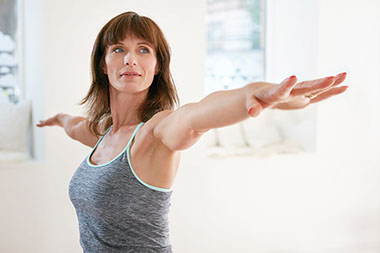
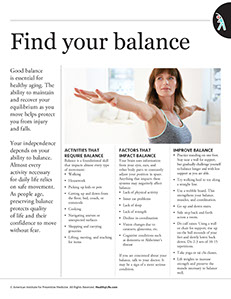
    Women with arms streched out, balancing.

    Good balance is essential for healthy aging. The ability to maintain and recover your equilibrium as you move helps protect you from injury and falls.

    Your independence depends on your ability to balance. Almost every activity necessary for daily life relies on safe movement. As people age, preserving balance protects quality of life and their confidence to move without fear.

    Activities that require balance

    Balance is a foundational skill that impacts almost every type of movement:

    *  Walking

    *  Housework

    *  Picking up kids or pets

    *  Getting up and down from the floor, bed, couch, or commode

    *  Cooking

    *  Navigating uneven or unexpected surfaces

    *  Shopping and carrying groceries

    *  Lifting, moving, and reaching for items

    Factors that impact balance

    Your brain uses information from your eyes, ears, and other body parts to constantly adjust your position in space. Anything that impacts these systems may negatively affect balance:

    *  Lack of physical activity

    *  Inner ear problems

    *  Lack of sleep

    *  Lack of strength

    *  Decline in coordination

    *  Vision changes due to cataracts, glaucoma, etc.

    *  Cognitive conditions such as dementia or Alzheimer’s disease

    If you are concerned about your balance, talk to your doctor. It may be a sign of a more serious condition.

    Improve balance

    *  Practice standing on one foot. Stay near a wall for support, but gradually challenge yourself to balance longer and with less support as you are able.

    *  Try walking heel to toe along a straight line.

    *  Use a wobble board. This strengthens your balance, muscles, and coordination.

    *  Go up and down stairs.

    *  Side step back and forth across a room.

    *  Do calf raises. Using a wall or chair for support, rise up on the ball mounds of your feet and slowly lower back down. Do 2-3 sets of 10-15 repetitions.

    *  Take yoga or tai chi classes.

    *  Lift weights to increase strength and preserve the muscle necessary to balance well.

    © American Institute for Preventive Medicine

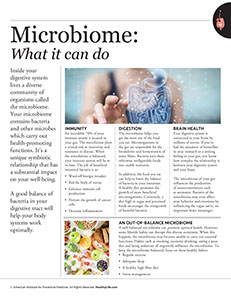
  • Microbiome: What It Can Do

    SELF-CARE CORNER

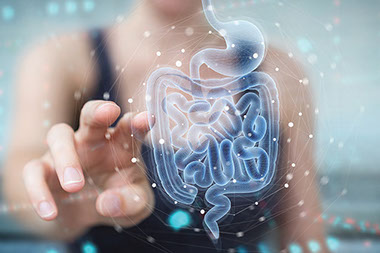
    Hand reaching out to touch an illustration of digestive system.

    Inside your digestive system lives a diverse community of organisms called the microbiome. Your microbiome contains bacteria and other microbes which carry out health-promoting functions. It’s a unique symbiotic relationship that has a substantial impact on your well-being.

    A good balance of bacteria in your digestive tract will help your body systems work optimally.

    Immunity

    An incredible 70% of your immune system is located in your gut. The microbiome plays a critical role in immunity and resistance to disease. When the microbiome is balanced, your immune system will be at its best. The job of beneficial intestinal bacteria is to:

    *  Ward off foreign invaders

    *  Rid the body of toxins

    *  Enhance immune cell production

    *  Prevent the growth of cancer cells

    *  Decrease inflammation

    Digestion

    The microbiome helps you get the most out of the food you eat. Microorganisms in the gut are responsible for the breakdown and fermentation of some fibers. Bacteria turn these otherwise undigestable foods into usable nutrients.

    In addition, the food you eat can help or harm the balance of bacteria in your intestines. A healthy diet promotes the growth of more beneficial microorganisms. Conversely, a diet high in sugar and processed foods encourages the overgrowth of harmful bacteria.

    Brain health

    Your digestive system is connected to your brain by millions of nerves. If you’ve had the sensation of butterflies in your stomach or a sinking feeling in your gut, you know how complex the relationship is between your digestive system and your brain.

    The microbiome of your gut influences the production of neurotransmitters such as serotonin. Bacteria of the microbiome may even affect your behavior and emotions by influencing the vagus nerve, an important brain messenger.

    An out-of-balance microbiome

    A well-balanced microbiome can promote optimal health. However, some lifestyle habits can disrupt this diverse ecosystem. When this happens, the microbiome may become unable to carry out essential functions. Habits such as smoking, excessive drinking, eating a poor diet and being sedentary all negatively influence the microbiome. To keep the microbiome balanced, focus on these healthy habits:

    *  Regular exercise

    *  Adequate sleep

    *  A healthy high-fiber diet

    *  Stress management

    © American Institute for Preventive Medicine

  • What’S In Your Medicine Cabinet?

    SELF-CARE CORNER

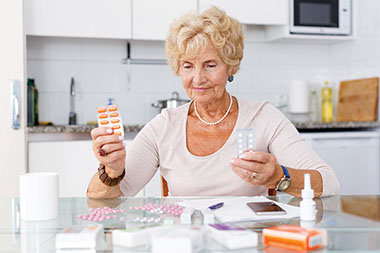
    Women sitting at kitchen table organizing medication.

    Unused or expired medications pose a health risk to you and your loved ones. Getting your medicine cabinet up to date should be part of your yearly spring cleaning.

    Medication left lingering in your cabinet is problematic for several reasons:

    *  Expired medication can make you sick or fail to work as expected.

    *  Unused prescription drugs are some of the most commonly misused substances among teens.

    *  Unused medications are a potential poisoning concern for both children and pets.

    In addition, identifying and properly disposing of unused or expired medications is a crucial way to prevent pollution from entering local water sources.

    Give your medicine cabinet a good declutter

    1.  Remove everything from your medicine cabinet and gather any over-the-counter or prescription drugs from around the house.

    2.  Place any prescriptions that are up to date and in use back in the cabinet.

    3.  All other prescription medications should go in a pile for disposal.

    4.  Check the expiration date on all over-the-counter medications. Place any that are expired in the disposal pile.

    5.  Evaluate anything that is not expired to determine if it is needed. It should go in the disposal pile if it is unlikely to be used.

    6.  Organize any remaining medications by type in the medicine cabinet. Ensure all medicine in the cabinet is clearly labeled.

    7.  It’s always important to store medication in a child and pet-proof location.

    How to safely dispose of medication

    The best way to get rid of unused or expired medication is through a local take-back program. Contact your local city or county government and ask if they hold hazardous waste collection days or have a location to drop off medications for disposal.

    You can also visitdisposemymeds.orgto find a local pharmacy that allows you to drop off medication.

    If you cannot find a place to take back your medication, follow these steps to dispose of it at home safely.

    1.  Empty all medication from its original container into a disposable container or ziplock bag.

    2.  Mix the medication with an undesirable substance such as kitty litter or coffee grounds, and seal it up.

    3.  Place the container in the trash.

    4.  Remove any identifying tags from empty medication bottles and place them in the trash or recycle bin.
    © American Institute for Preventive Medicine
  • First Aid Kits: Stay Up To Date

    SELF-CARE CORNER

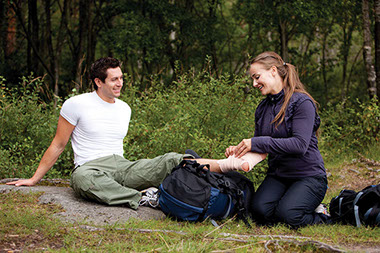
    Women helping wrap man's foot and ankle with sprain wrap.

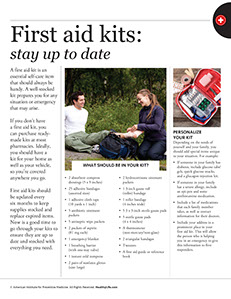
    A first aid kit is an essential self-care item that should always be handy. A well-stocked kit prepares you for any situation or emergency that may arise.

    If you don’t have a first aid kit, you can purchase ready-made kits at most pharmacies. Ideally, you should have a kit for your home as well as your vehicle, so you’re covered anywhere you go.

    First aid kits should be updated every six months to keep supplies stocked and replace expired items. Now is a good time to go through your kits to ensure they are up to date and stocked with everything you need.

    What should be in your kit?

    *  2 absorbent compress dressings (5 x 9 inches)

    *  25 adhesive bandages (assorted sizes)

    *  1 adhesive cloth tape (10 yards x 1 inch)

    *  5 antibiotic ointment packets

    *  5 antiseptic wipe packets

    *  2 packets of aspirin (81 mg each)

    *  1 emergency blanket

    *  1 breathing barrier (with one-way valve)

    *  1 instant cold compress

    *  2 pairs of nonlatex gloves (size: large)

    *  2 hydrocortisone ointment packets

    *  1 3-inch gauze roll (roller) bandage

    *  1 roller bandage (4 inches wide)

    *  5 3 x 3-inch sterile gauze pads

    *  5 sterile gauze pads (4 x 4 inches)

    *  A thermometer (non-mercury/non-glass)

    *  2 triangular bandages

    *  Tweezers

    *  A first aid guide or reference book

    Personalize your kit

    Depending on the needs of yourself and your family, you should add special items unique to your situation. For example:

    *  If someone in your family has diabetes, include glucose tabs/gels, quick glucose snacks, and a glucagon injection kit.

    *  If someone in your family has a severe allergy, include an epi-pen and some antihistamine medication.

    *  Include a list of medications that each family member takes, as well as contact information for their doctors.

    *  Include your address in a prominent place in your first aid kit. This will allow the person who is helping you in an emergency to give this information to first responders.

    © American Institute for Preventive Medicine
  • Natural Remedies For Menopause Symptoms

    SELF-CARE CORNER

    Women sitting with eyes closed and relaxed.

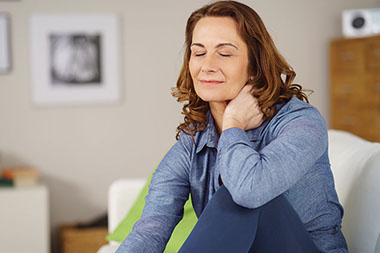
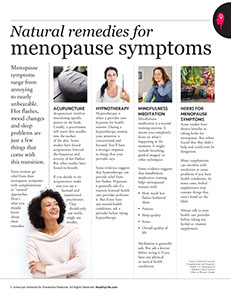
    Menopause symptoms range from annoying to nearly unbearable. Hot flashes, mood changes and sleep problems are just a few things that come with this transition.

    Some women get relief from their menopause symptoms with complementary or “natural” approaches. Here’s what you should know about these remedies.

    Acupuncture

    Acupuncture involves stimulating specific points on the body. Usually, a practitioner will insert thin needles into the surface of the skin. Some studies have found acupuncture lowered the frequency and severity of hot flashes. But other studies have found no benefit.

    If you decide to try acupuncture, make sure you use a licensed and experienced practitioner. They should only use sterile, single-use needles.

    Hypnotherapy

    Hypnotherapy is when a provider uses hypnosis for health reasons. During a hypnotherapy session, your attention is concentrated and focused. You’ll have a stronger response to things that your provider says.

    Some evidence suggests that hypnotherapy can provide relief from hot flashes. Hypnosis is generally safe if a trained, licensed health care provider performs it. But if you have any mental health conditions, ask a provider before trying hypnotherapy.

    Mindfulness meditation

    Mindfulness meditation is a mental training exercise. It means you completely focus on what’s happening in the moment. It might include breathing, guided imagery or other techniques.

    Some evidence suggests that mindfulness meditation training helps menopausal women with:

    *  How much hot flashes bothered them

    *  Anxiety

    *  Sleep quality

    *  Stress

    *  Overall quality of life

    Meditation is generally safe. But ask a doctor before trying it if you have any physical or mental health conditions.

    Herbs for menopause symptoms

    Some studies have shown benefits to taking herbs for menopause. But others found that they didn’t help and could even be dangerous.

    Many supplements can interfere with medicines or cause problems if you have health conditions. In some cases, herbal supplements may contain things that aren’t listed on the label.

    Always talk to your health care provider before taking any herbal or vitamin supplement.

    Sources: National Center for Complementary and Integrative Health, U.S. Department of Health & Human Services Office on Women’s Health

    © American Institute for Preventive Medicine
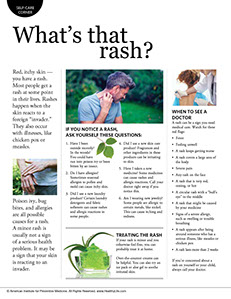
  • What’S That Rash?

    SELF-CARE CORNER

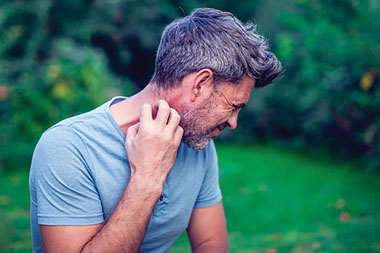
    Man itching rash on neck.

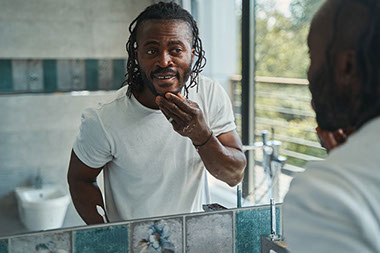
    Red, itchy skin – you have a rash. Most people get a rash at some point in their lives. Rashes happen when the skin reacts to a foreign “invader.” They also occur with illnesses, like chicken pox or measles.

    Poison ivy, bug bites, and allergies are all possible causes for a rash. A minor rash is usually not a sign of a serious health problem. It may be a sign that your skin is reacting to an invader.

    If you notice a rash, ask yourself these questions:

    1.  Have I been outside recently? In the woods? You could have run into poison ivy or been bitten by an insect.

    2.  Do I have allergies? Sometimes seasonal allergies to pollen and mold can cause itchy skin.

    3.  Did I use a new laundry product? Certain laundry detergents and fabric softeners can cause rashes and allergic reactions in some people.

    4.  Did I use a new skin care product? Fragrances and other ingredients in these products can be irritating to skin.

    5.  Have I taken a new medicine? Some medicines can cause rashes and allergic reactions. Call your doctor right away if you notice this.

    6.  Am I wearing new jewelry? Some people are allergic to certain metals, like nickel. This can cause itching and redness.

    Treating the rash

    If your rash is minor and you otherwise feel fine, you can probably treat it at home.

    Over-the-counter creams can be helpful. You can also try an ice pack or aloe gel to soothe irritated skin.

    When to see a doctor

    A rash can be a sign you need medical care. Watch for these red flags:

    *  Fever

    *  Feeling unwell

    *  A rash keeps getting worse

    *  A rash covers a large area of the body

    *  Severe pain

    *  Any rash on the face

    *  A rash that is very red, oozing, or hot

    *  A circular rash with a “bull’s eye” in the middle

    *  A rash that might be caused by your medicine

    *  Signs of a severe allergy, such as swelling or trouble breathing

    *  A rash appears after being around someone who has a serious illness, like measles or chicken pox

    *  A rash lasts more than 2 weeks

    If you’re concerned about a rash on yourself or your child, always call your doctor.

    © American Institute for Preventive Medicine