Category: Self-Care Corner

  • Protect Your Bones

    SELF-CARE CORNER

    Image of women drinking a glass of milk.

    Bones feel solid, but the inside of a bone is actually filled with holes like a honeycomb. Bone tissues are broken down and rebuilt all the time. While some cells build new bone tissue, others dissolve bone and release the minerals inside, according to experts at NIH in Health.

    As we get older, we begin to lose more bone than we build. The tiny holes within bones get bigger, and the solid outer layer becomes thinner. In other words, our bones get less dense. Hard bones turn spongy, and spongy bones turn spongier. If this loss of bone density goes too far, it’s called osteoporosis. Over 10 million people nationwide are estimated to have osteoporosis.

    In bad accidents, it’s normal for bones to break. But if your bones are dense enough, they should be able to withstand most falls. Bones weakened by osteoporosis, though, are more likely to break.

    You can lower your risk of osteoporosis.

    Getting plenty of calcium, vitamin D, and exercise is a good start.

    *Calciumis a mineral that helps bones stay strong. It can come from the foods you eat-including milk and milk products, dark green leafy vegetables like kale and collard greens-or from dietary supplements.

    *Vitamin Dhelps your body absorb calcium. As you grow older, your body needs more vitamin D, which is made by your skin when you’re in the sun. You can also get vitamin D from dietary supplements and from certain foods, such as milk, egg yolks, saltwater fish, fortified milks and cereals, and cod liver oil.

    *Exercise,especially weight-bearing exercise, helps bones too. Weight-bearing exercises include jogging, walking, tennis, and dancing. The pull of muscles is a reminder to the cells in your bones that they need to keep the tissue dense.

    Smoking, in contrast, weakens bones. Heavy drinking does too-and makes people more likely to fall. Certain drugs may also increase the risk of osteoporosis. Having family members with osteoporosis can raise your risk for the condition as well.

    The good news

    Even if you already have osteoporosis, it’s not too late to start taking care of your bones. Since your bones are rebuilding themselves all the time, you can help push the balance toward more bone growth by giving them exercise, calcium, and vitamin D.

    © American Institute for Preventive Medicine

  • Sure-Fire Ways To Prevent Hair Loss

    SELF-CARE CORNER

    Image of man examining hair line.

    You can head off hair loss by changing the way you care for your hair, say the experts from the American Academy of Dermatology.

    *  Do you vigorously towel dry your hair? Instead of rubbing wet hair, which is more elastic and vulnerable to breaking, wrap your hair in a towel to absorb the water or let it air dry.

    *  Do you brush or comb your hair when it is wet? If you have straight hair and are of Caucasian or Asian descent, try to comb and brush your hair only when it is dry. Otherwise, you can stretch the strands and cause them to break. People who have tightly curled or textured hair or are of African descent should comb or brush their hair when it is wet. Doing so decreases the chance of hair breakage.

    *  Do you use a blow dryer or curling iron? The high heat from a blow dryer can actually boil the water in the hair shaft leaving the hair brittle. Let your hair partially air dry before you style or comb it.

    *  Do you use styling products that promise a long-lasting hold? While these products may give your hair unbeatable hold, using a comb to style your hair after you apply the product often causes the hair to break. Over time, this can lead to major hair loss. Reduce the use of these products to lessen hair loss.

    *  Do you try to fit in 100 brush strokes per day? It is a myth that 100 strokes a day promotes healthy hair. Vigorous brushing can strip the ends of the hair, causing split ends.

    *  Do you color, perm, or relax your hair? All processes damage the hair and can cause dry, brittle strands.

    * Do you wear braids, a ponytail, or hair extensions? All of these styles pull on your hair and lead to breakage.

    *  Do you skip the conditioner? Use a conditioner after every shampoo. A conditioner cannot repair hair, but it can increase shine, decrease static electricity, improve strength, and offer some protection from harmful sun rays.

    © American Institute for Preventive Medicine

  • Water Safety Tips You Need To Know

    SELF-CARE CORNER

    Image of mother and young child in the pool.

    When the summer sun beats down, many people flock to water for cooling relief and fun. Swimming, boating and water activities are a favorite pastime for many Americans. But, it’s important to know the dangers of water and how to keep yourself and your loved ones safe.

    The Centers for Disease Control and Prevention says more than 3,500 people DROWN in the U.S.  each year in swimming (non-boating) related accidents.

    Most of these are children under the age of 14.

    And according to the U.S. Coast Guard,

    hundreds more die in boating-related accidents

    each year – and the majority of them are DUE TO DROWNING.

    Most drownings are preventable –

    so here’s what you should do any time you’re around water:

    *Keep pools gated and locked.Home pools should be enclosed with a locked fence that’s at least 4 feet high.

    *Always supervise.Children drown within seconds, not minutes. And, there’s typically no screaming, splashing, or other noise. Keep your eyes on children in the water at all times. Don’t turn your back, even for “just a minute.”

    *Wear life jackets.Many boating-related deaths could be avoided if all passengers wore U.S. Coast Guard-approved life jackets. Children should also wear them when swimming.

    *Consider swimming lessons.Children and adults can benefit from knowing how to swim, and it can reduce the risk of drowning.

    *Learn CPR.Giving cardiopulmonary resuscitation (CPR) can save lives if given quickly after a water accident.

    *Stay sober.Alcohol and water don’t mix – so don’t drink if you’re boating, swimming or supervising children in the water.

    *Watch the weather.If there’s a chance of strong winds or a thunderstorm, stay out of the water.

    *Watch for rip currents in natural bodies of water.A rip current is a powerful current that you can’t see, but can quickly take even a grown adult underwater. If you feel one pull you down, swim parallel to the shore until you get free. Don’t try to fight it or swim toward the shore.

    *Know the boating laws.There are state and federal laws that boaters must follow. Learn about them atwww.uscgboating.org. You can also look into boating safety courses and safety checks for your boat on this website.

    © American Institute for Preventive Medicine

  • Alcohol Increases Risk For Breast Cancer

    SELF-CARE CORNER

    Image of middle-aged women smiling wearing a pink blazer.

    Breast cancer is the second leading cause of cancer death for women in the United States, after lung cancer. Dr. Erica Mayer, a breast cancer expert at Dana-Farber Cancer Institute, says there are at least 5 simple ways women can reduce their risk of getting the disease:

    1.Limit alcohol.Research has shown having too much alcohol can increase your risk of breast cancer. If you choose to drink alcohol-including beer, wine, or liquor-limit yourself to no more than one half to one drink a day on average.

    2.Get a mammogram.Many health organizations advise women to get regular mammograms starting at age 40. “Mammography screening does not prevent or cure breast cancer, but it may detect the disease before symptoms occur,” said Dr. Mayer.

    3.Eat a healthy diet and keep your weight under control.The American Cancer Society recommends a diet rich in vegetables, fruits, whole grains, and fiber. “High-fat diets can lead to being overweight or obese, which is a risk factor for breast cancer,” said Dr. Mayer.

    4.Exercise.There’s growing evidence that physical activity reduces a woman’s breast cancer risk.

    5.Determine if you have family history of breast cancer and be vigilant to early detection.Twenty to 30% of people who develop breast cancer have a family history of the disease. About 5 to 10% of women carry a BRCA1 or BRCA 2 mutation, the so called “breast cancer genes.”

    © American Institute for Preventive Medicine

  • Face Facts About Acne

    SELF-CARE CORNER

    Image of young women washing her face.

    Acne. It’s embarrassing. It’s annoying. And it’s the most common skin condition in the U.S. Fortunately, acne can often be reduced with simple changes to your skin care routine, say experts from the American Academy of Dermatology.

    For clearer skin, follow these tips:

    *  Wash twice a day and after sweating. Perspiration, especially when wearing a hat or helmet, can make acne worse, so wash your skin as soon as possible after sweating.

    *  Use your fingertips to apply a gentle, non-abrasive cleanser. Using a washcloth, mesh sponge, or anything else can irritate the skin. Do not use skin care products that irritate the skin, which may include astringents, toners, and exfoliants. Dry, red skin makes acne appear worse.

    *  Rinse with lukewarm water.

    *  Shampoo regularly. If you have oily hair, shampoo daily.

    *  Let your skin heal naturally. If you pick, pop or squeeze your acne, your skin will take longer to clear and you increase your risk of getting acne scars.

    *  Keep your hands off your face. Touching your skin throughout the day can cause flare-ups.

    *  Stay out of the sun and tanning beds. Tanning damages your skin. In addition, some acne medications make the skin very sensitive to ultraviolet (UV) light, which you get from both the sun and indoor tanning devices.

    *  See a skin specialist for the most current treatments.

    © American Institute for Preventive Medicine

  • Kick Cigarettes Out Of Your House

    SELF-CARE CORNER

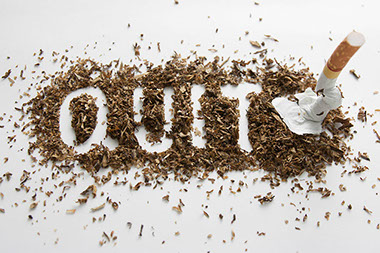
    Image of the word "Quit" spelled within a pile of tobacco with a crused cigarette.

    You know that smoking can cause health problems, including heart disease and cancer. But if you smoke inside your home, you could be hurting everyone who lives with you. Anyone who is around cigarette smoke is exposed to secondhand smoke.

    *  Secondhand smoke contains more than 4,000 chemicals. Many of these have been proven to cause cancer and irritate the lungs.

    *  Secondhand smoke can trigger asthma attacks and they happen more often and with more severity in children.

    *  Children whose parents smoke have more ear infections, bronchitis and pneumonia.

    You and your family can be healthier if you don’t allow any smoking in your home. And don’t allow guests to smoke in your home or around your children. If your children regularly visit another home, such as a child care provider, make sure no one smokes in that home.

    If you need help quitting, call 1-800-QUIT-NOW or visitsmokefree.govfor free resources.

    Source: Asthma and Allergy Foundation of America

    © American Institute for Preventive Medicine

  • Got Breakouts? Proven Tips For Clear Skin

    SELF-CARE CORNER

    Image of man looking at face in mirror.

    Acne can be an emotionally challenging condition for people of almost any age. The American Academy of Dermatology says acne affects up to 50 million people each year.

    Fortunately, there are a variety of products that can help you manage acne. If you or your child is dealing with acne, check out some of the most popular options to treat this condition.

    Salicylic acid

    What it does:Reduces redness and unclogs pores.

    Side effects:Minor redness, peeling or stinging.

    How to get it:Drugstore acne cleansers, toners, pads and creams. Dermatologists offer higher strength products and peels.

    Benzoyl peroxide

    What it does:Kills bacteria in the pores that causes acne.

    Side effects:Dryness, redness, peeling or stinging. May bleach hair or clothing.

    How to get it:Drugstore acne washes, creams and gels. Dermatologists offer products that combine benzoyl peroxide with other ingredients, such as an antibiotic.

    Retinoid

    What it does:Decreases the buildup of cells within pores.

    Side effects:Dryness, redness, peeling and burning that can be severe. Should not be used by pregnant or breastfeeding women or women who may become pregnant.

    How to get it:Only available from a dermatologist. Usually used for moderate to severe acne only.

    Antibiotics

    What it does:Kills acne bacteria on the skin.

    Side effects:Dryness and irritation. Some antibiotics can cause antibiotic resistance, especially if not used as directed by a doctor. This means the bacteria is no longer affected by the antibiotic and the medicine will no longer work correctly.

    How to get it:Only available from a dermatologist. Some antibiotics are applied to the skin. Others are taken as a pill.

    Getting breakouts under control can improve self-confidence and emotional well-being. If drugstore products don’t work for you, ask your doctor about stronger options. If your acne treatment is too drying, try a facial moisturizer labeled “non-comedogenic,” which means it won’t clog pores.

    © American Institute for Preventive Medicine

  • Taking Some “Ouch” Out Of Baby’S Shots

    SELF-CARE CORNER

    Image of doctor giving a baby a shot.

    Vaccines are a crucial part of keeping your baby healthy. But, it can be difficult to watch your baby feel the pain of a shot. Don’t put off or skip vaccines that your baby needs. Instead, follow these tips from the Centers for Disease Control and Prevention (CDC):

    *Bring along a favorite item.Does your baby have a “lovey,” a favorite blanket, or a pacifier? When it’s time for the shot, give them the item.

    *Remain calm.Babies can sense stress in your voice and actions. Remember, the pain only lasts a few seconds. It’s well worth it for the many years of protection from disease.

    *Breastfeed if you can.If your doctor gives you the go-ahead, you may be able to nurse baby during the shot itself or immediately after. This is often very comforting to babies.

    *Consider juice or sugar.If your baby is over six months, a drink of juice or pacifier dipped in sugar can help calm them. Ask your pediatrician if this is okay. Avoid overdoing this for other stressful situations.

    © American Institute for Preventive Medicine

  • What Do You Know About Organ Donation?

    SELF-CARE CORNER

    Image of male doctor.

    Every year, thousands of Americans die waiting for a lifesaving organ transplant because there just aren’t enough organ donors. What do you know about donating organs? The Organ Transplantation experts at New York-Presbyterian Hospital give some facts:

    *  Very few medical conditions disqualify you from donating organs and tissues. It may turn out that while certain organs are not suitable for transplant, other organs and tissues are fine.

    *  It is possible to donate to someone who is not a relative and to someone from another racial or ethnic group. But transplant success rates increase when organs are matched between members of the same ethnic background.

    *  There are no costs directly related to donation.

    *  Although it is important to join a donor registry and indicate that you are an organ donor on your driver’s license, it is equally important to make your family, friends, and doctors aware of your wishes.

    *  The organ transplant waiting list is blind to wealth and celebrity status. People receive organs based on the severity of the illness, time spent on the waiting list, and blood type.

    *  For more information, go to the United Network of Organ Sharing (www.unos.org).

    © American Institute for Preventive Medicine