Category: Self-Care Corner

  • Allergy Or Asthma? Know The Difference

    SELF-CARE CORNER

    Image of 2 teddy bears next to an asthma inhaler.

    Allergies are caused by an over-reaction of the immune system to certain substances (called allergens) in the air (pollen, dust mites, for example), eaten (such as peanuts or shrimp), injected (like a bee sting or certain medicines), or touched (poison ivy or latex are good examples), according to the Asthma and Allergy Foundation of America.

    Symptoms of an allergy may be some or all of these:

    *  Sneezing

    *  Runny nose (clear discharge)

    *  Itchy nose or throat

    *  Coughing

    *  Skin rashes or hives

    Asthma occurs when airways become temporarily blocked or narrowed because of exposure to allergens, irritants, strenuous exercise, anxiety, or other triggers. If an asthma attack is severe, a person may need emergency treatment.

    Asthma symptoms can include some or all of these:

    *  Sudden shortness of breath

    *  Difficulty breathing

    *  Tight chest

    *  Wheezing or coughing

    © American Institute for Preventive Medicine

  • Burn Notice

    SELF-CARE CORNER

    Close-up image of a doctor wrapping up a burn on a patients arm.

    Follow this simple advice from the Home Safety Council and H2otStop to help reduce the risk of burn and scald injuries at home:

    Bathing

    *  Set your water heater at 120ºF or just below the medium setting.

    *  Fill the bathtub. Run your hand through the water to test for hot spots. Then help children get in. When children are in or near the tub, watch them closely. Young children and older people have thin skin. They burn more quickly.

    *  Install special tub spouts and shower heads that prevent hot water burns. These can sense if the water gets hot enough to cause a burn and shut off the flow of water.

    Cooking

    *  Wear long oven mitts to protect your skin when cooking or handling hot food.

    *  Turn pot handles toward the back of the stove so children cannot pull them down. Use back burners when cooking. Keep children away from the stove when you are cooking. Put tape on the floor around the stove/oven to help children learn to stay out of the “no-kid-zone.”

    *  Food cooked in the microwave can get very hot and cause a burn. Use oven mitts when you take off the lid. Stir and test the food before serving to make sure it is cool enough to eat.

    *  Keep hot drinks away from the edge of tables and counters. Do not use tablecloths or placemats because young children can pull them down. Use a travel mug with a tight-fitting lid for all hot drinks. This can help prevent a burn if the cup tips over.

    *  Do not hold or carry a child while you have a hot drink in your hand. Put only cold drinks in the cup holder of your child’s stroller and child safety seat.

    If a burn occurs:

    *  Cool it with running water. Do this right away.

    *  Keep the burned area in cool water for 3 minutes or longer. Do not put ice, butter, or lotion on the burn. This could make it worse.

    *  Call your doctor or 911 if the burn looks bad.

    © American Institute for Preventive Medicine

  • Get Better Sleep Starting Tonight

    SELF-CARE CORNER

    Image of man feeling sleepy at his desk.

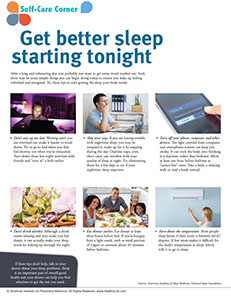
    After a long and exhausting day, you probably just want to get some much needed rest. And, there may be some simple things you can begin doing today to ensure you wake up feeling refreshed and energized. Try these tips to start getting the sleep your body needs:

    *  Don’t stay up too late. Waiting until you are overtired can make it harder to wind down. Try to go to bed when you first feel drowsy, not when you’re exhausted. Turn down those late-night activities with friends and “turn in” a little earlier.

    *  Skip your nap. If you are having trouble with nighttime sleep, you may be tempted to make up for it by napping during the day. Daytime naps, even short ones, can interfere with your quality of sleep at night. Try eliminating them for a few days to see if your nighttime sleep improves.

    *  Turn off your phone, computer and other devices. The light emitted from computer and smartphone screens can keep you awake. It can trick the body into thinking it is daytime, rather than bedtime. Allow at least one hour before bedtime as “screen-free” time. Take a bath, a relaxing walk or read a book instead.

    *  Don’t drink alcohol. Although a drink seems relaxing and may make you feel sleepy, it can actually make your sleep worse by waking up through the night.

    *  Eat dinner earlier. Eat dinner at least three hours before bed. If you’re hungry, have a light snack, such as small portion of yogurt or oatmeal, about 45 minutes before bedtime.

    *  Turn down the temperature. Most people sleep better if their room is between 60-67 degrees. A hot room makes it difficult for the body’s temperature to drop, which tells it to go to sleep.

    If these tips don’t help, talk to your doctor about your sleep problems. Sleep is an important part of overall good health and your doctor can help you find solutions to get the rest you need.

    Sources: American Academy of Sleep Medicine, National Sleep Foundation
    © American Institute for Preventive Medicine

  • Pump Up Your Heart In 5 Easy Steps

    SELF-CARE CORNER

    Image of older women laughing.

    Did you know that a good night’s sleep can help prevent heart disease? That’s just one way to lower your risk. Dr. Holly Andersen, director of education and outreach at NewYork-Presbyterian Hospital/Weill Cornell Medical Center, offers some easy steps to improve heart health and overall well-being:

    Step 1: Know your numbers.

    Your blood pressure, cholesterol, and triglyceride levels are the most important numbers you will need to know before you take the path to good heart health. A normal blood pressure level is 140/85 or lower, total cholesterol levels should be less than 200, and triglycerides less than 150.

    Step 2: Start walking.

    Exercise really is the fountain of youth. A simple 20- to 30-minute walk a few days a week can actually cut your risk of premature death by more than half. Physical activity also improves sleep, reduces stress, elevates mood, reduces blood pressure, improves cholesterol, improves brain health, and prevents memory loss.

    Step 3: Laugh out loud.

    Laughter is good medicine. Just 15 minutes of laughter is about equal to 30 minutes of aerobic exercise with respect to our heart health. So choose funny movies on Netflix. Laughter has also been linked to the healthy function of blood vessels, an increase in the brain hormones that improve mood, and reduction of pain  and anxiety.

    Step 4: Focus on your waistline, not your weight.

    Your waistline is a better measurement of your overall health than your weight because the amount of fat around your waistline is directly linked to high blood pressure and high cholesterol and can place you at increased risk for diabetes. Anything you can do to make your waistline smaller is definitely a step in the right direction. Liposuction doesn’t count!

    Step 5: Get a good night’s sleep.

    Sleep is one of the most undervalued elements of our daily routines, but it is absolutely vital to good health. Lack of sleep increases your blood pressure, induces stress, increases your appetite and slows down your metabolism, dampens your mood and decreases your brain power.

    © American Institute for Preventive Medicine

  • Teeth Grinding: Causes And Solutions

    SELF-CARE CORNER

    Image of dentist with a patient.

    Teeth grinding is a movement disorder of the jaw in which there is gnashing, grinding, or clenching of the teeth. It’s called bruxism. Often, people are unaware of their habit.

    The two primary types of teeth grinding are sleep bruxism, which occurs during sleep, and awake bruxism, which occurs when the person is awake.

    There is not a single contributing factor that results in teeth grinding or bruxism, rather it is believed to be the result of complex interactions between many factors, including stress, tension and anxiety; levels of certain chemicals in the brain; other sleep disorders such as snoring or sleep apnea; or a response to pain from earaches or teething (in children).

    “Teeth grinding is most often diagnosed by a combination of information derived from a history reported by the patient and a clinical exam performed by the patient’s dentist,” according to Dr. Erica Harvey, a representative of the Pennsylvania Dental Association.

    While some people noticeably grind their teeth, 80% make no sound, which makes bruxism even harder to discover. Common symptoms include reports of grinding noises during sleep by family members, tooth hypersensitivity, fractured, chipped or worn teeth, and waking up with a constant, dull headache or sore jaws.

    Regular dental checkups can help detect bruxism, and your dentist may recommend these methods to help stop or relieve the symptoms:

    *  Find ways to reduce your stress level and relax.

    *  Avoid or limit the amount of caffeine and alcohol you consume.

    Ask your dentist about the use of a nightguard to prevent further wear of your teeth.

    © American Institute for Preventive Medicine

  • What To Know About Whooping Cough

    SELF-CARE CORNER

    Image of man coughing.

    Pertussis, or whooping cough, is more than just an annoying cough. It is a serious and highly contagious disease. The coughing is so severe it causes those affected to gasp for air in between coughs, which make a “whooping” sound that can last for weeks or months. The cough may cause a person to stop breathing temporarily, turn blue, and even vomit. Many people are unable to eat or sleep due to the severe coughing spells. It can lead to complications, such as pneumonia, cracked ribs, and seizures. It can also be life-threatening.

    Whooping cough is on the rise in the U.S. Here’s what you should know to protect yourself and those around you.

    You can spread it before you even know you have it.

    Whooping cough may feel like you have a cold at first. This stage lasts one to two weeks. It often includes a runny nose, sneezing, low-grade fever, and a mild cough. Unfortunately, many people don’t realize they have whooping cough during this stage and can spread it to others.

    Infants under 6 months of age are the most likely to die from pertussis.

    Babies are given whooping cough vaccine at two, four and six months of age. Until they have had all these vaccines, they are more likely to catch whooping cough. The Immunization Action Coalition says babies under six months of age are the most vulnerable because they don’t yet have strong immunity to protect against it.

    Adults are the most likely to pass the infection to young infants.

    The National Foundation for Infectious Diseases (NFID) says adults are the most common source of whooping cough infection in babies.

    Even if you already had a whooping cough vaccine, you might need another one.

    Vaccines aren’t just for babies and kids. Recommendations for whooping cough vaccination have changed in recent years.

    The NFID says the following adults should be vaccinated:

    *  All adults age 19 and older need a whooping cough booster. This is called a Tdap vaccine. It also protects against tetanus and diphtheria.

    *  Pregnant women need a Tdap vaccine during the third trimester (between 27 and 36 weeks of every pregnancy).

    *  Adults of any age who may be in close contact with babies younger than 1 year of age should get a Tdap vaccine. It should be given at least two weeks before being around the baby, if possible.

    *  Health care employees in hospitals and health centers should get the Tdap.

    *  After getting the Tdap vaccine, all other adults should get the Td (tetanus and diphtheria) booster every 10 years.

    © American Institute for Preventive Medicine

  • Another Reason To Stop Smoking

    SELF-CARE CORNER

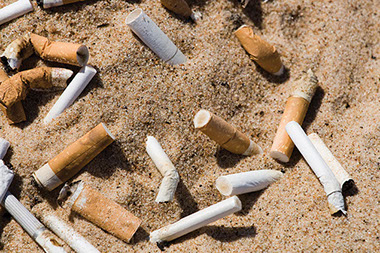
    Image of cigarettes butts.

    Each year Americans buy nearly 300 billion cigarettes. A vast number of those cigarette butts, including the filters, will be flicked into the environment, landing along waterways, parks, beaches, and public roads. This makes cigarettes the number one littered item in the nation, according to Legacy, the nonprofit created in the wake of tobacco lawsuits. Cigarette butts are made mostly of plastic, which can take years to decompose, and they only break up into small particles of plastic. Join a cleanup event and help build awareness around your community and workplace.

    © American Institute for Preventive Medicine
  • Calming An Irritable Bowel

    SELF-CARE CORNER

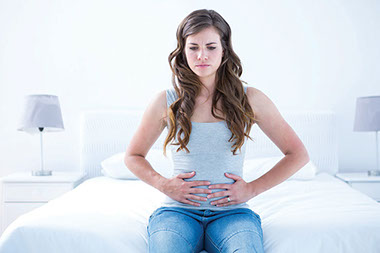
    Image of a women holding stomach in pain.

    Irritable bowel syndrome (IBS) is a disorder of the digestive system. Experts believe that IBS happens when there is a problem with how the brain and the gut work together. IBS can have bothersome symptoms like stomach pain, diarrhea and constipation. But, IBS does not damage the digestive tract like the effects of ulcerative colitis or Crohn’s disease.

    Millions of people in the U.S. have IBS. And some people have severe symptoms that require medication or other medical care. IBS should be diagnosed by a doctor to ensure your symptoms are not caused by other diseases.

    Fortunately, mild to moderate symptoms of IBS can often be improved with some self-care and lifestyle changes.

    Foods to skip

    Some foods are known to cause more cramping and diarrhea. People with IBS may wish to avoid these foods, which include:

    *  Fried foods or high-fat meals

    *  Artificial sweeteners

    *  Caffeine, such as coffee or tea

    *  Alcohol

    You should also avoid eating large meals.

    Keep a food diary

    It may be a good idea to keep a food diary to identify other problem foods and eating habits, especially during flare-ups.

    Feel fiber-fabulous

    Fiber is one of the most effective ways to help calm an irritable bowel. Fiber can improve constipation because it softens stool and makes it easier to pass. And, it may help “bulk up” stool to reduce diarrhea.

    The 2015-2020 Dietary Guidelines for Americans says that adults should be eating 22 to 34 grams of fiber per day. Soluble fiber may be the best choice for those with IBS.

    Good sources of soluble fiber include:

    *  Oats

    *  Nuts

    *  Lentils

    *  Beans

    *  Fruits & Vegetables

    If you’re not used to eating fiber, don’t eat too much at first. This could lead to gas, bloating, and more IBS symptoms. Gradually increase the amount of fiber you eat by 2 to 3 grams per day until you’re eating the recommended amount. Be sure to drink plenty of fluids to absorb the extra fiber.

    Get better sleep

    Sleep helps the body restore itself, and poor sleep may aggravate IBS symptoms. Help your body rest by practicing good sleep hygiene. You can do this by:

    *  Shutting off computers, smart phones and other screens two hours before bedtime

    *  Going to bed and getting up at the same time every day

    *  Avoiding alcohol and heavy meals in the evening

    *  Not smoking

    *  Getting regular exercise (even light exercise can help you sleep better)

    *  Avoiding naps if you have trouble sleeping at night

    Get help from your doctor

    If these self-care steps don’t help, it may be time to talk to your doctor about other solutions. Some people find success by avoiding gluten, a protein found in wheat, barley, rye, oats and many other foods.

    A low-FODMAP diet may also be helpful. FODMAPS are carbohydrates that can be harder for the intestines to digest. Avoiding these foods helps some people with IBS. Ask your doctor before you begin any diet that eliminates certain foods.

    Sources: International Foundation for Functional Gastrointestinal Disorders, National Institute of Diabetes and Digestive and Kidney Diseases, National Sleep Foundation

    © American Institute for Preventive Medicine

  • Get Your Healthy Game Day On

    SELF-CARE CORNER

    Image of football field.

    The excitement of football, and even the activities and feelings of anticipation leading up to games, can be unhealthy in ways many do not realize, according to Jody Gilchrist, a cardiac nurse practitioner at the University of Alabama at Birmingham.

    Critical matchups, tight games, and crushing defeats can trigger adrenaline that reduces blood flow to the heart and other muscles and increases heart rate and blood pressure. Over time, these high levels of stress hormones can hurt your heart-even though a football game may be deemed good stress.

    Adding to the effects of stress on the body would be unhealthier foods at the tailgate party, and heavier eating and drinking during the game. Not a winning combination. Here are some tailgating tips:

    *  Help minimize stress by watching the game with people you enjoy.

    *  Knock out a few pushups and sit ups during commercial breaks.

    *  Chew gum or squeeze a stress ball to reduce anxiety and control your emotions.

    *  Take a brief walk at halftime, or if you are attending the game, take a walk around the stadium or to another section to meet a friend.

    *  Manage your net dietary intake by planning ahead and making healthier choices at other times of the day in anticipation of splurging a bit during the game.

    *  If tailgating at the stadium, try to conserve calories earlier in the day.

    *  If tailgating at home, consider using vegetables in place of chips for dips, and substitute Greek yogurt for sour cream or cream cheese dips.

    *  Because sodium causes fluid retention-something especially bad for heart patients-a good rule of thumb is to avoid foods that have more than 1 mg of sodium per calorie. At about 0.5 mg of sodium per calorie, natural foods such as fresh fruits and vegetables generally contain much less, so opt for them whenever possible.

    *  Do your best to avoid soft drinks, which are extremely high in sugar.

    In the end, your health will win-even if your team does not.

    © American Institute for Preventive Medicine