Category: Well-Being

  • Hot-Weather Problems To Avoid

    WELL-BEING

    Image of a water bottle being poured into a glass.

    Summer’s brutal heat brings with it the dangers of deadly dehydration and other hot-weather health issues. Dr. Richard N. Bradley, associate professor of emergency medicine at The University of Texas Health Science Center, says, “Don’t push it too hard. When possible, stay inside your air-conditioned homes or go to places that have A/C.”

    If you notice someone acting confused and the person has been out in the hot sun, seek help immediately for any of these hot-weather problems. Be alert to the symptoms of heat-related illnesses such as cramps, heat exhaustion, and heat stroke.

    *Heat crampsare painful, brief muscle cramps that occur during exercise or work in a hot environment. The cramps are usually felt in the calves, thighs, abdomen, or shoulders.

    *Heat exhaustionoccurs when the body is not able to maintain normal functions because of the excessive loss of body fluids and salts. In effect, the body is trying to protect itself from a greater rise in body temperature. The symptoms include heavy sweating, intense thirst, dizziness, nausea and a weak or rapid pulse.

    *Heat strokeis a life-threatening emergency. It is the result of the body’s inability to regulate its core temperature. As the body’s water and salt supplies dwindle, its temperature rises to extreme levels. The symptoms include a body temperature above 104ºF (although heat stroke can occur at lower body temperatures), disorientation, confusion, or coma. The skin may be hot and dry or sweaty.

    Drink plenty of water, no alcohol. Drink throughout the day, even when you’re not thirsty.

    © American Institute for Preventive Medicine

  • Like It Loud? Your Ears Don’T

    WELL-BEING

    Image of man listening to music with headphones.

    What do a lawn mower, a motorcycle, and a music player have in common? They can all cause permanent hearing loss.

    Many people assume that only extremely loud sounds, such as gunshots, can damage the ears. But any loud noise, such as power tools, headphones turned up too loud, lawn equipment, or a concert, can lead to hearing loss. This is known as noise-induced hearing loss.

    Noise-induced hearing loss often happens gradually, so you don’t realize the damage that’s being done over time. For instance, being around loud machinery every day or listening to loud music in earphones regularly can cause hearing damage that adds up. The National Institutes of Health states that 26 million Americans between the ages of 20 and 69 have hearing loss caused by excessive noise.

    The Centers for Disease Control and Prevention (CDC) says anything over 85 decibels can damage hearing. The louder it is, the faster it can cause hearing loss if used regularly and/or for long periods. Normal conversation is 60 decibels, and a hair dryer is around 90.

    Save your hearing

    The best way to prevent noise-induced hearing loss is to avoid loud noises whenever you can. But, this may not be possible if your job requires you to be around certain equipment. If you can’t avoid it, always wear proper hearing protection. This includes earplugs and/or ear muffs that have a noise reduction rating (NRR) listed.

    If you notice you have trouble hearing, talk to your doctor.

    © American Institute for Preventive Medicine

  • Pack A Travel First Aid Kit

    WELL-BEING

    Illustration of an airplane and first aid kid.

    Traveling? Make a little room in your luggage for a travel first aid kit. It won’t cost much or take up much space. Once you reach your destination, you won’t need to reach any further than your suitcase to relieve those minor aches and pains that can put a major damper on your plans.

    A basic travel first aid kit should include a handful of over-the-counter remedies you can buy just about anywhere, said Caroline Sullivan, DNP, assistant professor at Columbia University School of Nursing.

    Here’s what should go in the kit:

    *  Tylenol or Advil to ease a headache or fever

    *  Cortisone 10 cream to soothe an itchy, swollen insect bite

    *  Antibiotic ointment like Neosporin or Bacitracin to prevent infection from minor cuts, scrapes, and burns

    *  Band-Aids to cover up blisters, or for those minor cuts and scrapes

    *  Pepto-Bismol tablets to relieve diarrhea, upset stomach, heartburn, indigestion, and nausea after too much food and drink. Note: This is for adults only. Pepto-Bismol has salicylates which have been linked to Reye’s syndrome.

    *  Benadryl to relieve allergies, and also to help you sleep

    *  Hand sanitizer that contains at least 60% alcohol

    *  Tissues to sneeze, dab cuts, and clean hands in a pinch

    *  Pack your prescription medicines in their original bottles in your carry-on bag.

    © American Institute for Preventive Medicine

  • Sleep-Wake Cycle Needs To Be Consistent

    WELL-BEING

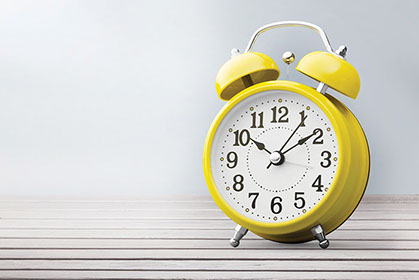
    Image of vintage yellow clock.

    Sleeping late now and then may feel like a luxury. But an inconsistent sleep schedule can throw off your body’s sleep and waking pattern, or circadian rhythm, according to sleep specialists writing in the Harvard Health Letter. Inconsistent cycles can lead to sleepless nights.

    To get sleep and waking patterns back on track, talk to a sleep expert. The first step is a physical exam to rule out underlying health conditions that may cause insomnia. If no underlying cause is found, try a sleep journal. Each morning, write down the wake time, the bedtime from the night before, how long it took to fall asleep, and whether there was any waking in the night-and if so, how many times. After two weeks, a pattern will emerge. It can help pinpoint any changes that need to be made.

    The wake time is most important to getting on a schedule again because it anchors the circadian sleep rhythm. Use an alarm clock to stick to the schedule. Make bedtime about seven or eight hours before the alarm will sound.

    It also helps to make a wind-down period part of the bedtime routine. That means stopping the use of all electronics an hour and a half before bed, keeping the lights low, and doing a relaxing activity such as reading.

    Filling the day with more structure will also reinforce the circadian rhythm. Keep a regular schedule for work, meals, exercise, and activities such as grocery shopping, socializing, or housework.

    © American Institute for Preventive Medicine
  • The Scoop On Shoveling

    WELL-BEING

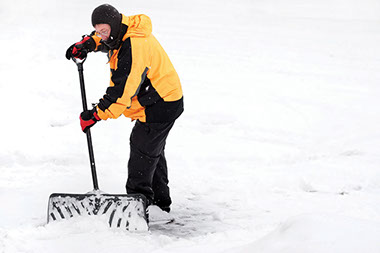
    Image of man shoveling snow.

    Push the snow, dress in layers, and warm up first are sensible rules for shoveling snow. Here are some guidelines you may not know:

    *  Avoid caffeine or nicotine before shoveling, especially if you have a history of or are at high risk for a heart attack. These stimulants may increase your heart rate and cause your blood vessels to constrict, which places extra stress on the heart. If you have a heart condition, respiratory issues, or back problems, check with your doctor before doing any shoveling.

    *  Drink plenty of water to avoid dehydration.

    *  Try to shovel fresh snow, before it becomes packed or refrozen. It may be helpful to shovel a few times during a snowfall rather than waiting until the storm ends when the snow is deeper and heavier.

    *  Switch hands periodically and alternate the side to which you are throwing snow to more evenly distribute the work load and repetitive muscle use.

    *  Use a sturdy snow shovel that has open ends to allow you to easily toss the snow off to the side.

    *  Pace yourself. Be sure to take frequent breaks to rest and avoid overexertion. Exhaustion can make you more susceptible to injury, hypothermia, and frostbite.

    Most important:

    If you begin to experience any pain in your chest, arm or neck, shortness of breath or profuse sweating, stop shoveling immediately and seek emergency medical attention.

    [Source: Kessler Institute]

    © American Institute for Preventive Medicine

  • When The Wind Blows

    WELL-BEING

    Image of emergency items, such as flash lights.

    When a winter blizzard (or any natural disaster) leaves you without power, are you prepared to weather the storm?

    Know these facts from the University of Nebraska Extension service:

    *  Keep the refrigerator and freezer doors closed as much as possible to maintain the cold temperature. Once the power goes off, the refrigerator will keep food safely cold for about 4 hours if it’s unopened. A full freezer will hold the temperature for about 48 hours (24 hours if it’s half full) if the door remains closed.

    *  Keep an insulated cooler on hand and gel packs or water-filled and frozen milk cartons in the freezer to cool perishable items. Outside sub-freezing temps will also preserve frozen food if the power stays out for days.

    Stock one gallon of drinking water per person per day. Also stock up on staples that don’t need to be refrigerated such as canned foods (and a hand-held can opener), soups, dried or smoked meats, dried fruits and vegetables, powdered or evaporated milk, peanut butter, trail mix, granola bars, pet food, and ready-to-eat cereals.

    © American Institute for Preventive Medicine
  • Are You Addicted To Shopping?

    WELL-BEING

    Image of couple holding shopping bags.

    Whether you like to look at clothing, housewares, tools, or electronics, shopping is a favorite pastime for many people. As the holidays approach, shopping becomes even more popular. Big sales, special deals, and promotions all seek to get more people to buy, buy, buy.

    But for some people, shopping is more than just fun around the holidays. It can actually be an addiction, according to the National Institute on Alcohol Abuse and Alcoholism.

    Signs of Shopping Addiction

    Many people think addiction is only for drugs and alcohol. But many behaviors including shopping can become an addiction. Access to online shopping can make the problem worse. You can buy whatever you want from the privacy of your home and just a few mouse clicks.

    It can be difficult to know if you just like to shop, or if it’s really a problem. If three or more of these statements apply to you, you may be addicted to shopping:

    *  You frequently buy things you don’t need.

    *  You have many unopened packages of items or clothing with the tags still on.

    *  You purchase things you can’t afford by using credit cards.

    *  You hide your purchases from your spouse or family.

    *  You feel a strong need to shop when you’re sad, angry, or anxious.

    *  You have secret credit cards or open new cards when others ones are maxed out.

    *  You think obsessively about shopping and money.

    *  You buy much more than planned, and feel guilty or ashamed afterward.

    *  Your relationships with family or friends have been affected by your shopping.

    © American Institute for Preventive Medicine

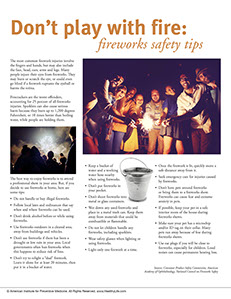
  • Don’T Play With Fire: Fireworks Safety Tips

    WELL-BEING

    Image of a group of friends with sparkler fireworks.

    The most common firework injuries involve the fingers and hands, but may also include the face, head, ears, arms and legs. Many people injure their eyes from fireworks. They may burn or scratch the eye, or could even go blind if a firework ruptures the eyeball or harms the retina.

    Firecrackers are the worst offenders, accounting for 25 percent of all fireworks injuries. Sparklers can also cause serious harm because they burn up to 1,200 degrees Fahrenheit, or 10 times hotter than boiling water, while people are holding them.

    The best way to enjoy fireworks is to attend a professional show in your area. But, if you decide to use fireworks at home, here are some tips:

    *  Do not handle or buy illegal fireworks.

    *  Follow local laws and ordinances that say when and where fireworks can be used.

    *  Don’t drink alcohol before or while using fireworks.

    * Use fireworks outdoors in a cleared area, away from buildings and vehicles.

    *  Don’t use fireworks if there has been a drought or low rain in your area. Local governments often ban fireworks when this happens to reduce risk of fires.

    *  Don’t try to relight a “dud” firework. Leave it alone for at least 20 minutes, then put it in a bucket of water.

    *  Keep a bucket of water and a working water hose nearby when using fireworks.

    *  Don’t put fireworks in your pocket.

    *  Don’t shoot fireworks into metal or glass containers.

    *  Wet down any used fireworks and place in a metal trash can. Keep them away from materials that could be combustible or flammable.

    *  Do not let children handle any fireworks, including sparklers.

    *  Wear safety glasses when lighting or using fireworks.

    *  Light only one firework at a time.

    *  Once the firework is lit, quickly move a safe distance away from it.

    *  Seek emergency care for injuries caused by fireworks.

    *  Don’t have pets around fireworks or bring them to a fireworks show. Fireworks can cause fear and extreme anxiety in pets.

    *  If possible, keep your pet in a safe interior room of the house during fireworks shows.

    *  Make sure your pet has a microchip and/or ID tag on their collar. Many pets run away because of fear during fireworks shows.

    *  Use ear plugs if you will be close to fireworks, especially for children. Loud noises can cause permanent hearing loss.

    Sources: Consumer Product Safety Commission, American Academy of Ophthalmology, National Council on Fireworks Safety

    © American Institute for Preventive Medicine

  • Listening: A Skill Well Worth Mastering

    WELL-BEING

    Image of 2 men talking and smiling.

    You’ve heard the saying, “You’re born with two ears, but only one mouth.” According to the Society for Human Resource Management, being a good listener has many advantages at work and at home. You can come up with better ideas, work with others more easily, and connect with people more deeply.

    So how is it done? Try these tips:

    *  Don’t interrupt.

    *  Don’t offer a solution or advice unless the person asks for it.

    *  Don’t think about your response while the other person is still talking. Hear them all the way through.

    *  When the other person is finished, repeat what they said in your own words. “So what I hear you saying is…”

    *  Don’t make it about you. Remember the other person wants to tell you their story first. Stop yourself from turning it into a discussion about yourself or your problem.

    Having this valuable skill can enhance all the professional and personal relationships in your life.

    © American Institute for Preventive Medicine