Category: Well-Being

  • Pop The Cork, Not Your Eye

    WELL-BEING

    Image of cork popping from a champagne bottle.

    Americans will consume more than a billion glasses of champagne during holiday and New Year celebrations. According to the American Academy of Ophthalmology, the careless handling of champagne is one of the most common causes for holiday-related eye injuries. These injuries are often caused by improperly opening the bottle, as a champagne cork is just less than 90 pounds of pressure-3 times the pressure inside a car tire.

    The Korbel Champagne authorities offer this advice:

    *  The recommended way to properly open a bottle is to ease the cork out slowly, with the sound of a gentle sigh-not a pop, which wastes champagne.

    *  Make sure your champagne is chilled and unshaken. Chill the bottle for at least 4 hours in the refrigerator (a warm bottle is more likely to pop).

    *  Remove the foil cap covering the top of the bottle, exposing a wire hood.

    *  Undo the wire hood with 6 half-turns of the knob.

    *  Hold the bottle at a 45-degree angle while holding the cork firmly with one hand and the base of the bottle with the other. Be sure to point the bottle away from your guests.

    *  Do not twist the cork. Rather, turn the bottle slowly while letting the cork glide out gently, emitting a gentle sigh.

    *  In the did-you-know department: There are more than 50 million bubbles in a standard bottle of champagne.

    © American Institute for Preventive Medicine
  • Smartphone Break Aids Well-Being

    WELL-BEING

    Image of a smart phone.

    Want to be more productive and happier during the workday? Try taking a short break to text a friend, play Angry Birds, or check Facebook on your smartphone, according to Kansas State University research.

    Allowing employees to take smartphone microbreaks may be a benefit-rather than a disruption-for businesses. Microbreaks are nonworking-related behaviors during working hours.

    “A smartphone microbreak can be beneficial for both the employee and the organization,” said the lead researcher. “For example, if I would play a game for an hour during my working hours, it would definitely hurt my work performance. But if I take short breaks of one or two minutes throughout the day, it could provide me with refreshment to do my job.”

    Taking a break throughout the workday is important because it is difficult, and nearly impossible, for an employee to concentrate for 8 straight hours a day without a break, was the thinking. So the smartphone microbreaks were thought to be similar to other microbreaks throughout the workday: chatting with coworkers, walking around the hallway, or getting a cup of coffee. Such breaks are important because they can help employees cope with the demands of the workplace.

    © American Institute for Preventive Medicine

  • Thinking About Changing

    WELL-BEING

    Image of young man working at a warehouse.

    Do you want to lose weight, quit smoking, eat healthier, get fit, manage stress, drink less alcohol? First, ask yourself:  Are you ready to change?

    Meg Baker, director of Employee Wellness at the University of Alabama at Birmingham, says while the focus on self-improvement is good, you must be ready to make a change in order to actually do so. To help prepare for any lifestyle change, Baker offers some tips:

    *  Develop small, short-term goals that will fit into your schedule. Make them realistic.

    *  Consider the benefits and reasons for the change.

    *  Talk to a family member, friend, or coworker about goals. Sharing your goals with others will increase the likelihood of your staying committed to a new gym regimen or stop smoking plan, and they may want to join you.

    “If the new behavior has lost its luster, switch things up,” Baker said. “Variety is the key to life and can keep you from getting burned out. Spice things up by changing your normal exercise routine, finding new healthy recipes online, or joining a new exercise class.”

    © American Institute for Preventive Medicine

  • Why You Should Floss

    WELL-BEING

    Image of floss.

    According to a survey by the American Dental Association, only 4 in 10 Americans floss at least once a day. And, 20 percent of Americans don’t do it at all.

    Most dentists agree that everyone should floss daily. There are places between teeth that a brush simply can’t reach. If you’re wondering if it’s worth spending the small amount of time each day, consider these benefits of flossing:

    *Less scraping at the dentist.At your next checkup, the hygienist may spend less time removing tartar between your teeth and at the gum line. Flossing removes it from these hard-to-reach areas before it hardens on your teeth.

    *A lower risk of gum disease and cavities.By removing plaque between your teeth, you remove bacteria that can lead to tooth decay and gum disease.

    *Fresher breath.Small particles of food between the teeth, even if you can’t see them, can make breath smell unpleasant.

    The American Dental Association says you can floss any time of day. Pick the time when you’re more likely to stick with it, whether it’s morning, after lunch or before bed.

    © American Institute for Preventive Medicine

  • Eye-Popping Facts

    WELL-BEING

    Image of 2 young brothers using a tablet at bedtime.

    Kids (and adults) are spending hours using electronics such as iPads, video games, computers, and smartphones. How much is too much for your eyes when it comes to digital device use?

    Eye strain or Computer Vision Syndrome (CVS) is a serious condition that can cause back and neck pain, dry eye, and even headaches. Statistics show that 80% of what we learn is through our eyes, which means that digital eyestrain and CVS can have a major impact on productivity and success.

    VSP optometrist, Dr. Nate Bonilla-Warford suggests these eye-easing ways to avoid digital eye strain:

    *Blink often:When looking at a computer or hand-held digital device, it’s common for you to blink 2 to 3 times less than you normally would. This can lead to “dry eye.” Blinking bathes your eyes in tears, and tears are naturally helpful for the eyes.

    *Follow the 20/20/20 rule:When spending long periods in front of a digital device, every 20 minutes, spend 20 seconds looking at something 20 feet away to allow your eyes to rest.

    *Ensure proper lighting:Poor lighting often causes eye strain. To help ease the strain on your eyes, keep bright lighting overhead to a minimum and position your desk lamp to shine on your desk, and not at you.

    *Wear it:If you or your child wears prescription glasses-for digital use or otherwise-make sure to have them on.

    © American Institute for Preventive Medicine
  • How To Keep “Airport Anxiety” From Flying Out Of Control

    WELL-BEING

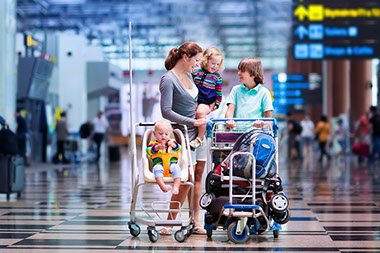
    Image of mom with 3 children at the airport.

    Traveling Americans are finding stricter airport screening, long waits, security checks, random searches-and you’re not even off the ground yet. Prepare yourself mentally and physically for the added stress. The Pennsylvania Medical Society offers these tips for avoiding airport anxiety:

    Know what to expect.Get information about airport rules from your travel agent, the airline, or online travel sites.

    Don’t prime the anxiety pump.Why work yourself into a frazzle before you even reach the airport? Give yourself plenty of time to get there. Allow for normal delays, like traffic jams and road closings, and for new ones such as restricted airport access.

    Come equipped to wait it out.Bring a folding canvas seat or arrange with the airport for a wheelchair. Pack snacks in your carryon. Also carry your prescription medications with you along with any special dietary snacks you might need.

    Kid-proof your planning.Check what your kids put in their bags if they packed them so the Scout knife or water gun doesn’t cause a scare at the security gate. Make sure you bring extra batteries for the games and CD players.

    Get physical.Instead of sitting at the gate the whole time, get up and walk around. Keep the blood flowing, and you’ll feel more relaxed and less confined.

    Learn and practice relaxation techniques.If you can’t cope with anxiety, ask your doctor about prescribing a medication instead of using alcohol to relieve your fears. Try the drug at home first to prepare for reactions such as grogginess or impaired coordination. Same with drugs for airsickness.

    © American Institute for Preventive Medicine

  • Live Long Enough To Cash In Your 401(K): Styaing Healthy & Surviving Any Diagnosis

    WELL-BEING

    Image of an older couple at the beach.

    The big day has finally arrived. Your boss shakes your hand and wishes you well. Your colleagues gather around a cake and make small talk about landing the big fish in your retirement, or joke about what you’ll do now.

    A cardboard box is filled with the contents of your desk: family pictures, trinkets, and stale candy. Your name is off the cubicle, and you wonder what you’ll do for the next 30 years.

    One more stop: the benefits office. There you will be asked: How do you want to receive your pension? What does this have to  do with your health?

    Dr. Edward T. Creagan says, “Plenty. Because before you can make any decision about your pension distribution, you need to seek the guidance of skilled professionals, such as a financial planner, a tax adviser, an attorney, and-believe it or not-a doctor.”

    In the newly released second edition of his book How Not to Be My Patient: A Physician’s Secrets for Staying Healthy and Surviving Any Diagnosis, Dr. Creagan, a cancer specialist, explains why: “Let’s suppose you are generally healthy, with normal blood pressure, no diabetes or heart disease, and your mother lived to a ripe old age. For you, the annuity of a fixed amount every month becomes a reasonable option. You could very well ‘outlive’ the lump sum option you are presented along with the ‘gold watch’-and laugh all the way to the bank.”

    “On the other hand, you may have a serious medical condition, such as cancer, and let’s suppose that your expected survival is limited. In that situation, a reasonable option would be door number 2, the lump sum. You and your family would work with professionals to set investments in motion to take care of your family,” he advises.

    Retirement decisions are not always as obvious as this. But, Dr. Creagan observes, you will be making decisions about when to take Social Security and when to tap into your 401(k).

    “From a practical standpoint, I suggest you see your doctor around the time your retirement is planned. Some minor blood abnormalities or trivial symptoms might lead to a CT scan or EKG, and then to a diagnosis of a life-threatening illness. In that case, your financial options would be clear,” he suggests along with much more wise advice for anyone about taking control of their health in this updated second edition of the highly acclaimed book.

    © American Institute for Preventive Medicine

  • Prevent Carbon Monoxide Poisoning: You Can’T See It Or Smell It

    WELL-BEING

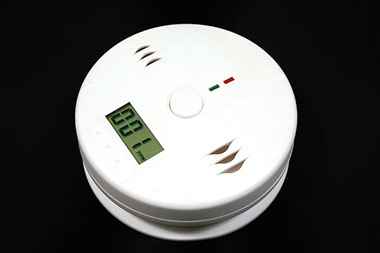
    Image of carbon monoxide detector.

    Every year, more than 400 people die in the U.S. from accidental carbon monoxide (CO) poisoning. CO is found in fumes produced by furnaces, portable generators, stoves, lanterns, and gas ranges, or by burning charcoal and wood. CO from these sources can build up in enclosed or partially enclosed spaces. People and animals in these spaces can be poisoned and can die from breathing CO.

    The most common symptoms of CO poisoning are headache, dizziness, weakness, nausea, vomiting, chest pain, and confusion. People who are sleeping or who have been drinking alcohol can die from CO poisoning before ever having symptoms.

    *  Never use a gas range or oven to heat a home.

    *  Never leave the motor running in a vehicle parked in an enclosed or partially enclosed space, such as a garage.

    *  Never run a motor vehicle, generator, pressure washer, or any gasoline-powered engine outside an open window, door, or vent where exhaust can vent into an enclosed area, or inside a basement, garage, or other enclosed structure, even if the doors or windows are open, unless the equipment is professionally installed and vented.

    *  Keep vents and flues free of debris, especially if winds are high. Flying debris can block ventilation lines.

    *  Never use a charcoal grill, hibachi, lantern, or portable camping stove inside a home, tent, or camper.

    *  If conditions are too hot or too cold, seek shelter with friends or at a community shelter.

    *  Install a CO alarm in your home and change the batteries often (just as you do with a smoke detector).

    If you smell gas . . .

    Escaping or uncontrolled natural gas may start on fire when it comes in contact with a spark or flame. If you smell gas, leave immediately. Don’t touch anything that could spark. Call your gas company or 911 from a safe distance. Do not re-enter the area until you have been advised that it is safe, warns MidAmerican Energy.

    © American Institute for Preventive Medicine

  • Spring Break Savvy: Secure Your Home

    WELL-BEING

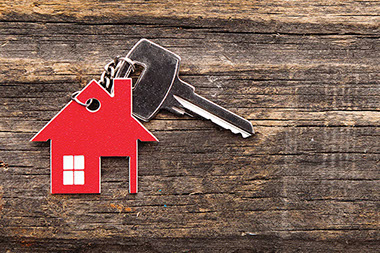
    Image of a house shaped keychain and key.

    Many people pack their bags and head to a sunny vacation spot for spring break. But before you leave your home behind, take some simple steps to ensure it is safe from fire and break-ins. The Better Business Bureau recommends the following steps:

    1.Don’t broadcast your plans.Sharing your vacation on social media isn’t advised. Wait and share your photos after you get home. Tell only trusted family members or neighbors that you’re leaving. Putting your plans online or telling strangers could increase the chance a break-in will occur while you’re gone.

    2.Stop your mail and newspaper deliveries.Potential thieves and vandals often look for piles of mail or papers; a sign that no one is home.

    3.Make it look like you’re home.Put timers on indoor and outdoor lights to help deter burglaries. If you live in a snowy area, ask a friend or neighbor to periodically drive onto your driveway to make tire tracks. Ask or hire someone to shovel your driveway. During warmer months, get someone to mow your lawn if needed.

    4.Check smoke and carbon monoxide detectors.Make sure these alarms are working so a neighbor could call for help if needed. Consider having a home security system.

    5.Unplug gadgets.Only keep the necessities plugged in, such as your refrigerator. Computers, televisions, coffee makers, and similar items should be unplugged. This lowers your electric bill and the risk of a fire.

    6.Lock up.To put your mind at ease, check each window and door one last time before you leave.

    With a few simple precautions, you can have a relaxing vacation and come home to a secure, safe home.

    Tips for safe & sane travel

    See your doctor first.Make sure you and your family are up-to-date on vaccines if traveling abroad. If you need prescription medicines, get enough filled to last throughout your trip. Be sure to pack emergency supplies, such as asthma inhalers or epinephrine for severe allergies.

    Check your vehicle.If you’re using your own vehicle to travel, make sure it has been recently serviced. This may include an oil change, fluid check, brake check, and addressing any problems.

    Review airline rules.If you don’t fly often, research your airline’s regulations before you pack. Check carry-on bag size limits and any other restrictions. Good resources include your airline’s company website,  the Federal Aviation Administration (faa.gov), and the Transportation Security Administration (tsa.gov).

    Be safe with your wallet.Carry only necessary items in your purse or wallet, such as the credit cards you need and some cash. Consider leaving other items at home, such as excessive amounts of cash and credit cards you won’t be using. Keep your wallet safely on your body. Consider using an anti-theft bag or put it in a front pocket where it’s in your view. Never leave it unattended.

    © American Institute for Preventive Medicine