Category: Well-Being

  • Poison Prevention Starts At Home

    WELL-BEING

    Image of posion cans with warning labels.

    Did you know more than 90 percent of all poisonings happen at home? While children are affected the most, people of all ages can be harmed by poisoning. Here’s what to know to make your home safe.

    Caring for cleaners

    Do not mix household cleaners or other products. The chemicals in these products can create a toxic gas when mixed. Never mix bleach with ammonia products or other cleaners. Use only one product at a time.

    Keep cleaners, chemicals, medicines, and anything that could be poisonous locked up and put away.

    Mindful of medicines

    Never share prescription medicines with anyone. The other person may not be able to safely take your medicine. Or, they could be taking another medicine that isn’t safe when mixed with yours. Make sure your doctor or pharmacist knows about all medicines you are taking.

    Keep all medicines clearly labeled with the type of medicine and dosage. If you don’t understand your medicine or how much to take, ask your doctor or pharmacist.

    Don’t try to take medicines in the dark, because you could accidentally take the wrong one. Keep all medicines, even over-the-counter ones, put away and out of reach of children.

    Battery safety

    Treat batteries like poison. Keep them away from children.

    The small, round “button” batteries are especially dangerous because they are easy for children to swallow. A swallowed battery can cause permanent damage to the throat and even death within just a couple of hours.

    Beware of e-cigarettes

    E-Cigarettes are shaped like cigarettes but they contain a small heater and battery. The “juice” used inside these devices contains high levels of nicotine. Even a tiny amount of the juice from e-cigarettes can cause poisoning in a child. It can cause seizures and even death.

    Keep e-cigarettes away from children at all times. If you throw used e-cigarette juice in the trash, wrap it up and take it outside or someplace where a child cannot get to it.

    Know the number

    If you think you or someone else has been exposed to poison, call (800) 222-1222. This connects you to your local poison center. The call is free and confidential. They can tell you what to do next. Do not try to treat poisoning yourself with home remedies.

    © American Institute for Preventive Medicine

  • Prevent Firework Injuries

    WELL-BEING

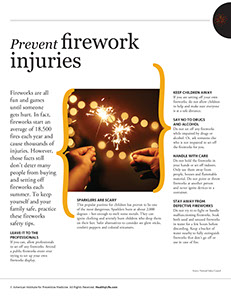
    Two hands holding sparklers.

    Fireworks are all fun and games until someone gets hurt. In fact, fireworks start an average of 18,500 fires each year and cause thousands of injuries. However, those facts still don’t deter many people from buying and setting off fireworks each summer. To keep yourself and your family safe, practice these fireworks safety tips.

    Leave it to the professionals

    If you can, allow professionals to set off any fireworks. Attend a public fireworks event over trying to set up your own fireworks display.

    Keep children away

    If you are setting off your own fireworks, do not allow children to help and make sure everyone is at a safe distance.

    Say no to drugs and alcohol

    Do not set off any fireworks while impaired by drugs or alcohol. Or, ask someone else who is not impaired to set off the fireworks for you.

    Handle with care

    Do not hold the fireworks in your hands or set off indoors. Only use them away from people, houses and flammable material. Do not point or throw fireworks at another person and never ignite devices in a container.

    Stay away from defective fireworks

    Do not try to re-light or handle malfunctioning fireworks. Soak both used and unused fireworks in water for a few hours before discarding. Keep a bucket of water nearby to fully extinguish fireworks that don’t go off or use in case of fire.

    Sparklers are scary

    This popular pastime for children has proven to be one of the most dangerous. Sparklers burn at about 2,000 degrees – hot enough to melt some metals. They can ignite clothing and severely burn children who drop them on their feet. Safer alternatives to consider are glow sticks, confetti poppers and colored streamers.

    Source: National Safety Council

    © American Institute for Preventive Medicine

  • What Is Cbd?

    WELL-BEING

    CBD oil in small glass jar.

    CBD (or cannabidiol) oil may be purchased in many pharmacies and other stores. It is claimed to treat more than 50 health conditions like sleep problems, anxiety and pain. But, experts say there’s little evidence that it works for most of them.

    What is CBD?

    CBD oil comes from the cannabis plant. Cannabis plants can be marijuana or hemp.

    A chemical called tetrahydrocannabinol (THC) causes the mental changes that make a person “high” when they use marijuana. CBD oil should contain little to no THC so it can’t make a person high. However, there is no way to know for sure that the CBD product is THC-free.

    The Food and Drug Administration (FDA) tested CBD products. Some products were found to contain THC, even though CBD should not contain it. Other products had a different amount of CBD than what the label stated.

    What does CBD do?

    Experts don’t know exactly how CBD works in the body. There is solid evidence that it can help control seizure disorders in children. But, evidence that it helps treat other conditions is lacking. In fact, the FDA has warned several companies about selling CBD with untested health claims.

    Does CBD have side effects?

    In studies, people didn’t report serious side effects when taking CBD. There were some reports of diarrhea. Also, CBD may interact with a person’s other medications. People who take other medicines or have health conditions should ask a doctor before using CBD.

    Should I use CBD?

    There isn’t enough evidence to recommend CBD for health problems other than seizures. Experts say you should stick with proven treatments for health problems. Always talk with a doctor before using any natural treatment, including CBD.

    Source: National Institutes of Health

    © American Institute for Preventive Medicine

  • Campfire Safety

    WELL-BEING

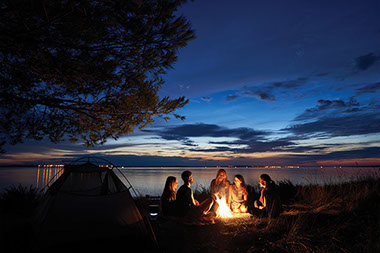
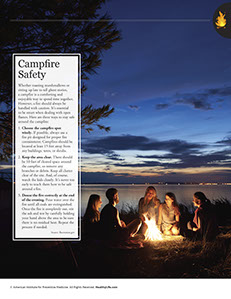
    Group of people sitting around a campfire and tent.

    Whether roasting marshmallows or sitting up late to tell ghost stories, a campfire is a comforting and enjoyable way to spend time together. However, a fire should always be handled with caution. It’s essential to be smart when dealing with open flames. Here are three ways to stay safe around the campfire:

    1.Choose the campfire spot wisely.If possible, always use a fire pit designed for proper fire containment. Campfires should be located at least 15 feet away from any buildings, tents, or shrubs.

    2.Keep the area clear.There should be 10 feet of cleared space around the campfire, so remove any branches or debris. Keep all clutter clear of the site. And, of course, watch the kids closely. It’s never too early to teach them how to be safe around a fire.

    3.Douse the fire correctly at the end of the evening.Pour water over the fire until all coals are extinguished. Once the fire is completely out, stir the ash and test by carefully holding your hand above the area to be sure there is no residual heat. Repeat the process if needed.

    Source: Recreation.gov

    © American Institute for Preventive Medicine

  • Protect Your Pet From Toxins

    WELL-BEING

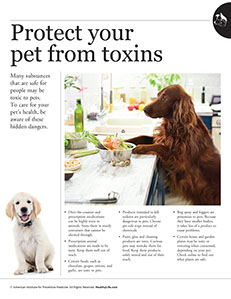
    Dog on 2 legs on the counter with food.

    Many substances that are safe for people may be toxic to pets. To care for your pet’s health, be aware of these hidden dangers.

    *  Over-the-counter and prescription medications can be highly toxic to animals. Store them in sturdy containers that cannot be chewed through.

    *  Prescription animal medications are made to be tasty. Keep them well out of reach.

    *  Certain foods, such as chocolate, grapes, onions, and garlic, are toxic to pets.

    *  Products intended to kill rodents are particularly dangerous to pets. Choose pet-safe traps instead of chemicals.

    *  Paint, glue and cleaning products are toxic. Curious pets may mistake them for food. Keep these products safely stored and out of their reach.

    *  Bug spray and foggers are poisonous to pets. Because they have smaller bodies, it takes less of a product to cause problems.

    *  Certain house and garden plants may be toxic or irritating when consumed, depending on your pet. Check online to find out what plants are safe.

    © American Institute for Preventive Medicine

  • Disinfecting Your Home Safely

    WELL-BEING

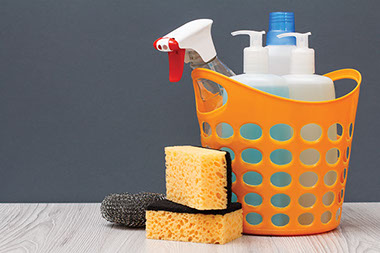
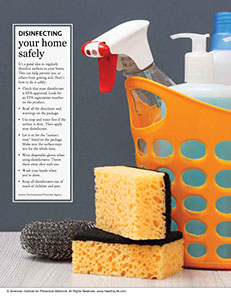
    Bucket with cleaning supplies.

    It’s a good idea to regularly disinfect surfaces in your home. This can help prevent you or others from getting sick. Here’s how to do it safely:

    *  Check that your disinfectant is EPA-approved. Look for an EPA registration number on the product.

    *  Read all the directions and warnings on the package.

    *  Use soap and water first if the surface is dirty. Then apply your disinfectant.

    *  Let it sit for the “contact time” listed on the package. Make sure the surface stays wet for the whole time.

    *  Wear disposable gloves when using disinfectants. Throw them away after each use.

    *  Wash your hands when you’re done.

    *  Keep all disinfectants out of reach of children and pets.

    Source: Environmental Protection Agency

    © American Institute for Preventive Medicine

  • Q & A Blood Donation

    WELL-BEING

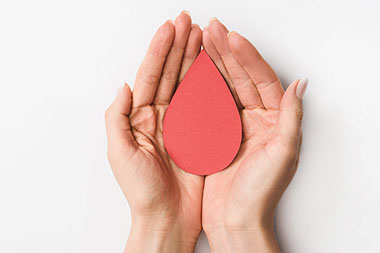
    Close up of hands holding a piece of paper shaped as a blood drop.

    Every day, people need life-saving blood transfusions. These transfusions are possible because people donate their blood. Despite the need for donated blood, many people are afraid to donate. They may have fears about the process, needles or even their own health. Get the facts about blood donation so you can make an informed decision.

    More than 4 million lives are saved each year because of blood donations.

    Q: Is blood donation safe?

    A: Yes. Each donation uses a new, sterile needle that is thrown away after one use. You may also be given a quick health check to be sure you’re healthy enough to donate. This may include taking your temperature, blood pressure and pulse.

    Q: What if I don’t like needles?

    A: Many people have a fear of needles. But blood donation is a quick process that can help save up to three lives. Facing your fears can mean the world to another person. Try listening to relaxing music, deep breathing or reading a book during your donation. Drinking fluids before donating will make donation easier and faster.

    Q: Will I faint afterward?

    A: Some people feel lightheaded after donating blood. But most people feel fine afterward. If this concerns you, you can have a few extra minutes to sit or lie down. You can also lower the risk of this happening by eating a healthy meal before your donation and drinking at least 16 ounces of water. When you feel well enough, slowly sit up. Blood donation only takes about 1/10th of the blood from your body. Your body replaces this lost blood quickly.

    Q: Don’t they only need rare blood types?

    A: Sometimes there is a public appeal for certain blood types. But all blood types are needed and valuable. If you don’t know your blood type, you can find out after your donation.

    If you have any health conditions, you can ask your doctor whether blood donation is right for you.

    Source: American Heart Association
    © American Institute for Preventive Medicine