Category: Well-Being
-
Do Cell Phones Cause Cancer?
WELL-BEING

Many people have their phones in pockets or purses all the time.
Is this safe?
Cell phones and RF waves
When they are turned on, cell phones give off radiofrequency (RF) waves. When a person holds a cell phone up to their ear, they are exposed to the RF waves from the phone.
At very high levels, RF waves can cause heat. This is how microwave ovens heat food. But the energy given off by a cell phone isn’t enough to cause a person’s body to heat up.
Most stuides say “NO”
Studies on rats have found that exposing their entire bodies to RF waves for long periods of time may increase the risk of a certain type of tumor. The levels used in this study were much higher than what a person would experience from normal everyday cell phone use.
Most studies on humans have found that people who have brain tumors do not use cell phones more than people who don’t have tumors. Other human studies have found that brain tumors don’t happen more on the side of the head where people hold their cell phones. Both results seem to suggest that cell phones do not cause brain tumors.
But a few studies have found an increased tumor risk on the side of the head where a person usually holds their cell phone.
Researchers believe we need more studies to find out for sure whether cell phones could be linked to cancer.
What should I do?
The American Cancer Society says RF waves are not as strong as different types of radiation like x-rays and UV light. X-rays and UV light can damage DNA. RF waves from cell phones are much weaker and don’t cause DNA damage. This means they would not make changes that could cause a tumor to form.
But, if you want to avoid exposure to RF waves, you can:
* Keep your phone away from your body. Don’t keep it in your pocket when it’s turned on.
* Use the speaker function or an earpiece when talking on the phone.
Source: American Cancer Society
© American Institute for Preventive Medicine
-
Quick Healthy Heart Habits
WELL-BEING

A heart healthy lifestyle doesn’t have to be overwhelming. These little changes can make a big difference:
1. Lower blood pressure with fruits and veggies. High blood pressure is a major risk factor for heart disease. Swap out sweets or deep-fried foods for fruits and vegetables. They contain plenty of potassium, which is a mineral that helps to naturally lower blood pressure. Try to get 2.5 cups of veggies and 2 cups of fruit each day.
2. Favor healthy fats. The right kind of fats can be good for your heart. Fatty fish such as salmon contain omega-3 fats, which may prevent sudden death from a heart attack. Olive oil, avocados, nuts and seeds all contain heart healthy unsaturated fat that can help lower bad cholesterol and may raise good cholesterol.

-
What To Know About Rainbow Fentanyl
WELL-BEING

Fentanyl is a powerful synthetic opioid, 50 times stronger than heroin and 100 times stronger than morphine. Doctors prescribe pharmaceutical fentanyl to treat severe pain. However, illegal fentanyl is often mixed with other illicit drugs, such as heroin and cocaine.
Rainbow fentanyl is an illegally manufactured drug dyed in bright colors and shaped to mimic legitimate medication. It only takes a small amount of fentanyl to overdose.
* It’s impossible to know how much fentanyl may be present in a rainbow fentanyl pill.
* Fentanyl-laced drugs are among the most common drugs implicated in overdose deaths.
* The bright colors of rainbow fentanyl may increase the appeal among teens and young adults.
* Rainbow fentanyl is extremely dangerous. All it takes is one to be at risk for overdose.
* Signs of an overdose include pinpoint pupils, limp body, choking or gurgling sounds, loss of consciousness, and slow or weak breathing.
* Call 911 at the first sign of overdose.
-
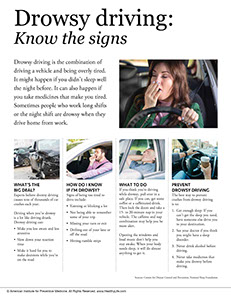
Drowsy Driving: Know The Signs
WELL-BEING

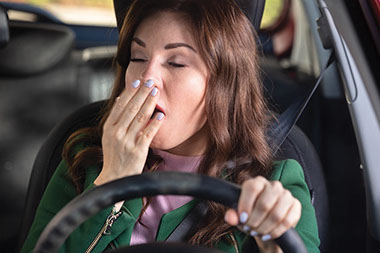
Drowsy driving is the combination of driving a vehicle and being overly tired. It might happen if you didn’t sleep well the night before. It can also happen if you take medicines that make you tired. Sometimes people who work long shifts or the night shift are drowsy when they drive home from work.
What’s the big deal?
Experts believe drowsy driving causes tens of thousands of car crashes each year.
Driving when you’re drowsy is a lot like driving drunk. Drowsy driving can:
* Make you less aware and less attentive
* Slow down your reaction time
* Make it hard for you to make decisions while you’re on the road
How do I know if I’m drowsy?
Signs of being too tired to drive include:
* Yawning or blinking a lot
* Not being able to remember some of your trip
* Missing your turn or exit
* Drifting out of your lane or off the road
* Hitting rumble strips
What to do
If you think you’re driving while drowsy, pull over in a safe place. If you can, get some coffee or a caffeinated drink. Then lock the doors and take a 15- to 20-minute nap in your vehicle. The caffeine and nap combination may help you be more alert.
Opening the windows and loud music don’t help you stay awake. When your body needs sleep, it will do almost anything to get it.
Prevent drowsy driving
The best way to prevent crashes from drowsy driving is to:
1. Get enough sleep. If you can’t get the sleep you need, have someone else drive you to your destination.
2. See your doctor if you think you might have a sleep disorder.
3. Never drink alcohol before driving.
4. Never take medicines that make you drowsy before driving.
Sources: Centers for Disease Control and Prevention, National Sleep Foundation
-
Safe Travels
WELL-BEING

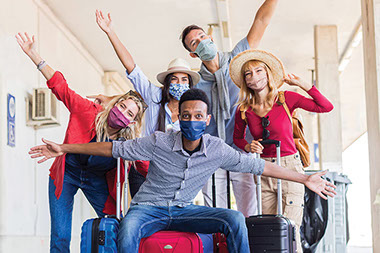
COVID has changed many things in recent years, including the way we travel. No one wants to end up sick on vacation or pass an infection to those around them. Thankfully, there are ways to make travel safer for everyone. A few simple precautions are all it takes.
* Get updated on your vaccines, including COVID and any specific vaccines recommended by your destination country.
* Check the COVID situation at your destination. If community spread is high, you may want to take extra precautions.
* Find out if there are any testing, vaccine, or other documentation requirements at any stage of your journey.
* While masks are not required everywhere, the CDC recommends masking up on public transportation.
* Consider getting a COVID test when you return if you were in an area with a high risk of exposure.
* Be patient and flexible. Everyone wants to get to their destination safely.
-
Fight Back Against Radon
WELL-BEING

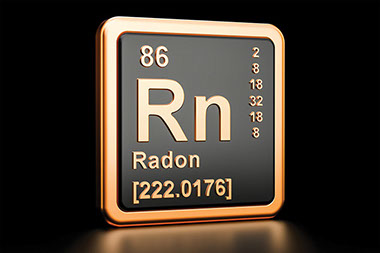
Radon can get into your home and cause serious health problems. But you can take steps to remove this dangerous gas that you can’t see, taste or smell.
Radon is a natural radioactive gas. When uranium breaks down in the soil, it makes radon. Then, radon can seep into a home’s foundation, causing health problems for the people who live there.
Why is radon harmful?
When you breathe in radon, its natural radioactive particles can get trapped in your lungs. Radon is a leading cause of lung cancer in non-smokers. If you smoke and breathe radon, your risk of lung cancer is especially high.
How do I know if I have radon?
The only way to know if a home has radon is through a radon test. You can buy radon tests at hardware stores or online. Your local health department may sell them.
Radon tests are easy to use. Usually, you let the test stay in your basement or the lowest point in your house for a few days. When the test is complete, you mail it in. The testing company sends you the results.
If your test results say your radon level is 4pCi/L or higher, take a second test to be sure. If the average between the two tests is 4pCi/L or higher, you need to fix the problem. You can do this with radon removal, also called radon mitigation.
How do I get rid of radon?
Removing radon from a home requires special skills and tools. Choose a qualified radon mitigation contractor to fix your home.
Ask your state radon office for names. Many states require radon professionals to be licensed, certified or registered for your added safety.
New homes aren’t safe
No matter how old or new your home, radon can get in. It seeps in through foundation seams, joints and cracks. It can also get in through a sump pump or drain located in the basement.
If you’re buying a home, make sure the home has been tested for radon or that it has a radon mitigation system in place.
Source: Environmental Protection Agency
-
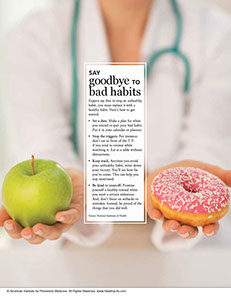
Say Goodbye To Bad Habits
WELL-BEING

Experts say that to stop an unhealthy habit, you must replace it with a healthy habit. Here’s how to get started.
*Set a date.Make a plan for when you intend to quit your bad habit. Put it in your calendar or planner.
*Stop the triggers.For instance, don’t eat in front of the T.V. if you tend to overeat while watching it. Eat at a table without distractions.
*Keep track.Anytime you avoid your unhealthy habit, write down your victory. You’ll see how far you’ve come. This can help you stay motivated.
*Be kind to yourself.Promise yourself a healthy reward when you meet a certain milestone. And, don’t focus on setbacks or mistakes. Instead, be proud of the things that you did well.
Source: National Institutes of Health
-
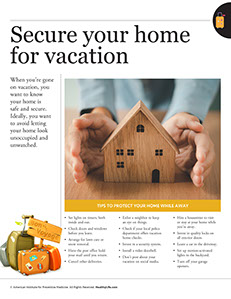
Secure Your Home For Vacation
WELL-BEING

When you’re gone on vacation, you want to know your home is safe and secure. Ideally, you want to avoid letting your home look unoccupied and unwatched.
Tips to protect your home while away
* Set lights on timers, both inside and out.
* Check doors and windows before you leave.
* Arrange for lawn care or snow removal.
* Have the post office hold your mail until you return.
* Cancel other deliveries.
* Enlist a neighbor to keep an eye on things.
* Check if your local police department offers vacation home checks.
* Invest in a security system.
* Install a video doorbell.
* Don’t post about your vacation on social media.
* Hire a housesitter to visit or stay at your home while you’re away.
* Invest in quality locks on all exterior doors.
* Leave a car in the driveway.
* Set up motion-activated lights in the backyard.
* Turn off your garage openers.