Category: Well-Being

  • Get Ready To Garden

    WELL-BEING

    Gardening tools on dirt with flowers ready to plant.

    Spring marks the beginning of the growing season in many parts of the country. To ensure a successful garden, now is the time to prepare for the season ahead.

    The garden tasks you need to do in early spring will vary depending on your growing zone. Colder climates will just be getting started, while warmer parts of the country may already be enjoying garden bounty.

    For those of us just thawing out, here are the spring gardening tasks that will set you up for success:

    *  Weed and mulch. Early spring is a key time to get ahead of the weeds and put down a thick layer of protective mulch.

    *  Plant bare-root trees, shrubs, and roses. These should go in before temperatures get too warm.

    *  Fertilize spring bulbs.

    *  Trim back grasses and perennials to make way for new growth.

    *  Prepare vegetable beds for early spring seeds. Apply a layer of compost and turn the soil over.

    *  Plant cold-weather vegetable seeds such as lettuce, radish, and kale.

    © American Institute for Preventive Medicine

  • Sitting Doesn’T Mean Not Moving

    WELL-BEING

    Female sitting at table with laptop, stretching arms up.

    A certain amount of time sitting is unavoidable, especially if your job requires it. However, this doesn’t mean you have to be still. With a bit of creativity, you can add bursts of movement even when you’re sitting down.

    Try these four movements throughout the day to keep your body moving in your seat.

    Reach your arms overhead

    Add a side-to-side bend or a big arch to your back to stretch into areas of stiffness.

    Do a chair twist

    Reach one hand to the opposite armrest and pull yourself into a gentle twist. Turn your head to look over one shoulder and then the other.

    Stretch your outer hip

    Cross one ankle over the opposite thigh and bend forward slightly for added stretch. Be sure to do both sides.

    Leg lifts

    Sit at the edge of the seat and straighten one leg. Lift it as high as is comfortable without rounding the low back. Alternate back and forth slowly 5-10 times.

    © American Institute for Preventive Medicine

  • Hand Washing Or Sanitizer?

    WELL-BEING

    Close up image of person washing hand with soap and water.

    If there’s one habit that’s good for everyone’s health, it’s hand washing. But is hand sanitizer just as good as soap and water? Maybe not. Hand sanitizers:

    *  Do not get rid of all germs.

    *  Don’t work well when hands have dirt or grease on them.

    *  May not remove dangerous chemicals, like pesticides and heavy metals.

    Hand washing does all these things – when you use soap and water and scrub for at least 20 seconds.

    Use hand sanitizer when you can’t get soap and water. But always choose the sink and soap when you can!

    Source: Centers for Disease Control and Prevention

    © American Institute for Preventive Medicine

  • Health News: Sorting Fact From Fiction

    WELL-BEING

    Older man on reading on a tablet.

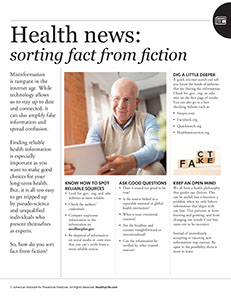
    Misinformation is rampant in the internet age. While technology allows us to stay up to date and connected, it can also amplify false information and spread confusion.

    Finding reliable health information is especially important as you want to make good choices for your long-term health. But, it is all too easy to get tripped up by pseudo-science and unqualified individuals who present themselves as experts.

    So, how do you sort fact from fiction?

    Know how to spot reliable sources

    *  Look for .gov, .org, and .edu websites as most reliable.

    *  Check the authors’ credentials.

    *  Compare suspicious information to the information onmedlineplus.gov.

    *  Be skeptical of information on social media or .com sites that you can’t verify from a more reliable source.

    Ask good questions

    *  Does it sound too good to be true?

    *  Is the source linked to a reputable national or global health institution?

    *  What is your emotional reaction?

    *  Are the headline and content straightforward or sensationalized?

    *  Can the information be verified by other trusted sources?

    Dig a little deeper

    A quick internet search can tell you know the kinds of websites that are sharing the information. Check for .gov, .org, or .edu sites on the first page of results. You can also go to a fact-checking website such as:

    *Snopes.com

    *Factcheck.org

    *Quackwatch.org

    *Healthnewsreview.org

    Keep an open mind

    We all have a health philosophy that guides our choices. This can be useful, but it becomes a problem when we only believe information that aligns with our bias. This prevents us from learning and growing, and from changing our minds if our bias turns out to be incorrect.

    Instead of immediately accepting or rejecting new information, stay curious. Be open to the possibility there is more to learn.
    © American Institute for Preventive Medicine
  • Step Up To A Longer Life

    WELL-BEING

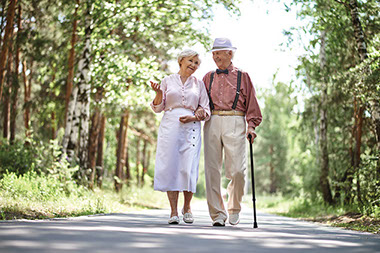
    Elderly couple walking.

    Could something as simple as walking help you live longer? Some recent research says it’s possible. Here’s what to know:

    1.  Researchers had 17,000 older women wear a device each day to count their steps.

    2.  They tracked the women for four years.

    3.  Those who took between 4,400 and 7,500 steps each day were less likely to die during those four years.

    4.  Walking more than 7,500 steps is also good for your health!

    Researchers said this is helpful for people who may think that 10,000 steps is overwhelming. Try to walk 4,400 steps or more each day, and you could see some important health benefits.

    Sources: Journal of the American Medical Association, National Institutes of Health

    © American Institute for Preventive Medicine
  • How Caffeine Affects Your Brain

    WELL-BEING

    Two people walking and talking.

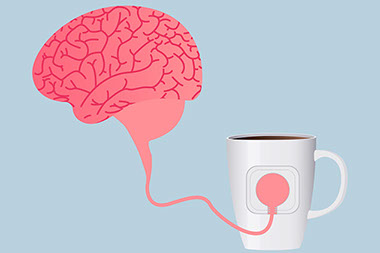
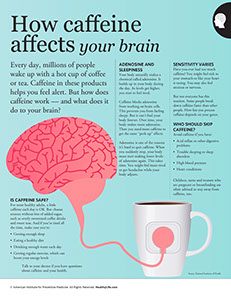
    Every day, millions of people wake up with a hot cup of coffee or tea. Caffeine in these products helps you feel alert. But how does caffeine work – and what does it do to your brain?

    Adenosine and sleepiness

    Your body naturally makes a chemical called adenosine. It builds up in your body during the day. As levels get higher, you start to feel tired.

    Caffeine blocks adenosine from working on brain cells. This prevents you from feeling sleepy. But it can’t fool your body forever. Over time, your body makes more adenosine. Then you need more caffeine to get the same “perk-up” effects.

    Adenosine is one of the reasons it’s hard to quit caffeine. When you suddenly stop, your body must start making lower levels of adenosine again. This takes time. You might feel more tired or get headaches while your body adjusts.

    Sensitivity varies

    Have you ever had too much caffeine? You might feel sick to your stomach or like your heart is racing. You may also feel anxious or nervous.

    But not everyone has this reaction. Some people break down caffeine faster than other people. How fast you process caffeine depends on your genes.

    Who should skip caffeine?

    Avoid caffeine if you have:

    *  Acid reflux or other digestive problems

    *  Trouble sleeping or sleep disorders

    *  High blood pressure

    *  Heart conditions

    Children, teens and women who are pregnant or breastfeeding are often advised to stay away from caffeine, too.

    Is caffeine safe?

    For most healthy adults, a little caffeine each day is OK. But choose sources without lots of added sugar, such as overly sweetened coffee drinks and sweet teas. And if you’re tired all the time, make sure you’re:

    *  Getting enough sleep

    *  Eating a healthy diet

    *  Drinking enough water each day

    *  Getting regular exercise, which can boost your energy levels

    Talk to your doctor if you have questions about caffeine and your health.

    Source: National Institutes of Health

    © American Institute for Preventive Medicine
  • Breaking Bad Habits

    WELL-BEING

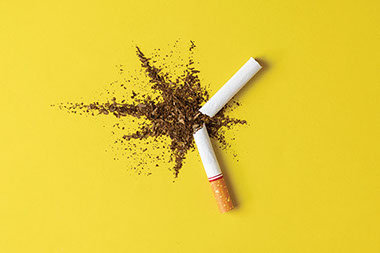
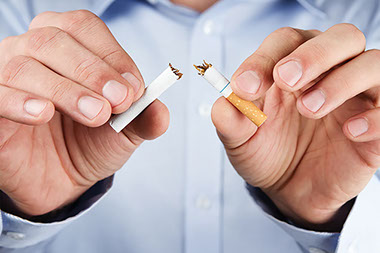
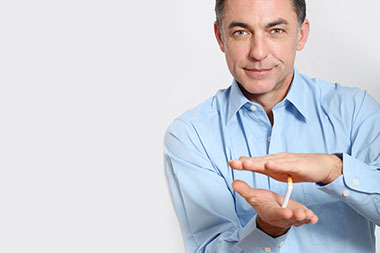
    Close-up image of a person breaking a cigarette in half.

    Bad habits may be hard to change, but it can be done. Smoking, for example, can be stopped. So can alcohol abuse.

    If you could only … but why don’t you? Scientists at the NIH study what happens in your brain as habits form. They come about through repetition. Brushing your teeth in the morning is a good habit. Reaching for a cigarette-bad habit.

    Habits trigger pleasure centers in your brain. First, focus on becoming more aware of your bad habits. Then try these strategies to counteract them:

    *  Avoid tempting situations. If you don’t buy candy bars, it won’t be as easy to eat one.

    *  Prepare mentally. Think about how you want to handle it and mentally practice what you plan.

    *  Enlist support. Ask friends, family, and coworkers to support your efforts to change.

    *  Replace unhealthy bad habits with healthy ones. Exercise or try a new hobby.

    *  Reward yourself for small steps.

    © American Institute for Preventive Medicine

  • Garage Door Safety

    WELL-BEING

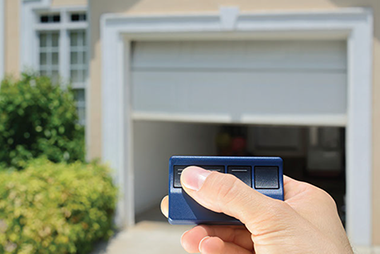
    Image of garage door opener.

    Follow this safety advice from the Overhead Door Corporation:

    *  Keep the garage door opener control button out of the reach of small children. And do not let children play with garage door remote controls.

    *  Never place fingers between door sections. Explain the dangers to children and consider pinch-resistant door panels.

    *  Consult the owner’s manual and learn how to use your garage door’s emergency release feature.

    *  Each month, inspect the springs, cables, rollers and pulleys for signs of wear. Do not try to remove, adjust or repair these parts or anything attached to them. These parts are under high tension and should only be fixed by a trained door technician.

    *  Test the reversing mechanism, monthly, too. Place a 2×4 board or a roll of paper towels in the door’s path. If the door does not reverse after contacting the object, call a qualified professional for repair. If the garage door opener has not been replaced since 1993, get a new one that has safety beams and an auto-reverse as standard features.

    *  Do not leave the garage door partially open. When activated again, it may travel downward and come in contact with an object in its path. This also compromises a home’s security.

    *  Never leave the remote control in the car when given to a parking attendant. A stolen remote leaves you more susceptible to home invasion. Always lock your car when left unattended. Store the remote out of sight.

    © American Institute for Preventive Medicine