Category: Well-Being

  • If At First You Don’T Succeed

    WELL-BEING

    Image of man crushing a cigarette.

    Anyone who has tried to quit smoking knows it doesn’t always happen on the first try. But what many smokers don’t realize is that they are not alone in their failed quit attempts. A quit attempt is defined as not smoking for at least one day with the intent of not starting again.

    A survey from the American Lung Association (ALA) found that 6 out of 10 former smokers were not able to successfully quit on their first try and required many attempts to quit smoking for good.

    “The American Lung Association wants every smoker to know that they are not alone in their unsuccessful quit attempts, and that with each quit attempt they become one step closer to becoming smoke-free,” said ALA National President and CEO, Harold P. Wimmer.

    The ALA’s Quitter in You campaign (www.QuitterInYou.org) acknowledges that multiple quit attempts are normal and are necessary steps along the way to quitting for good.

    © American Institute for Preventive Medicine

  • Mow Safely

    WELL-BEING

    Image of person mowing the lawn.

    Lawn mowers are powerful machines. Careless injuries harm children and adults alike each year, according to these concerned medical groups: American Academy of Orthopaedic Surgeons, American Academy of Pediatrics, and the American Society for Reconstructive Microsurgery (the docs who reattach fingers!).

    Prevent injuries by following these lawn mower safety tips:

    *  Only use a mower with a control that stops the mower blade from moving if the handle is let go.

    *  Children should be at least 12 years of age before operating a push lawn mower and age 16 to operate a driving lawn mower.

    *  Wear sturdy shoes (not sandals or sneakers) while mowing.

    *  Prevent injuries from flying objects, such as stones or toys, by picking up objects from the lawn before mowing begins. Have anyone who uses a mower or is in the vicinity to wear polycarbonate protective eyewear at all times.

    *  Do not pull the mower backward or mow in reverse unless absolutely necessary, and carefully look for children behind you when you mow in reverse.

    *  Always turn off the mower and wait for the blades to stop completely before removing the grass catcher, unclogging the discharge chute, inspecting or repairing lawn mower equipment, or crossing gravel paths, roads, or other areas.

    * Use a stick or broom handle (not your hands or feet) to remove debris in lawn mowers.

    *  Do not allow children to ride as passengers on ride-on mowers and keep children out of the yard while mowing.

    *  Drive up and down slopes, not across to prevent mower rollover.

    *  Keep lawn mowers in good working order. Before using a lawn mower for the first time in a season, have it serviced to ensure that it is working correctly.

    © American Institute for Preventive Medicine

  • Remember This: You Can Improve Your Memory

    WELL-BEING

    Image of man with hand on his head.

    Worried because you searched a half hour before finding your reading glasses or car keys? Concerned that it took a couple minutes to remember the name of the familiar-looking woman who said hello to you in the restaurant?

    You probably don’t have much to worry about, said Dr. George Grossberg, an internationally recognized Alzheimer researcher and director of geriatric psychiatry at Saint Louis University School of Medicine. As annoying as it may be, temporary “tip of the tongue” forgetfulness is one of the changes that happens as we age.

    “If, on the other hand, the information is important to us, isn’t there when we want it, and doesn’t ever come back to us, that’s a more serious problem. The person who has Alzheimer’s disease and misplaces her reading glasses probably won’t even remember that she needs them to see. She knows the man next to her is familiar, but can’t remember that he’s her grandson and his name is Mark.”

    “In our society, we’re all on chronic systems overload. We’re multi-tasking – talking on our cell phones, listening for beepers to go off, walking into a store to shop,” he said. “It’s very easy for certain things to get lost in the shuffle. That’s not Alzheimer’s disease.”

    Dr. Grossberg offers this recipe for brain health:

    *  Try to figure out what is causing your forgetfulness. Did you make a wrong turn while driving while you were talking on a cell phone and listening to the radio? Maybe you’re trying to do too many things at once and need to put down the phone or turn off  the tunes.

    *  Exercise your body. Aerobic exercise improves your cardiovascular health. Exercise also increases your “feel-good” brain chemicals, which improve your mood and prevents depression which is a risk factor for Alzheimer’s disease.

    *  Exercise your mind. Research shows mental challenge can help rewire connections in the brain. So find a new hobby, learn to play chess, use your left hand if you’re right-handed, or study a foreign language.

    *  Take care of yourself. Control risk factors for cardiovascular disease such as high blood pressure, smoking, high cholesterol, and obesity to help decrease your risk.

    *  Get a good night’s sleep. Not getting enough deep, restful sleep causes mental impairment later in life. Besides, if you’re sleep deprived, you won’t think clearly and are more likely to forget in the present time.

    *  Feed your brain. Some research shows antioxidant vitamins have protective powers against Alzheimer’s disease. Some B vitamins, especially B-12 and folate, are very important in how brain cells function. Talk with your doctor about taking vitamin supplements.

    *  Check your meds. Discuss, with your doctor, if any prescribed and over-the-counter medications you take could cause memory or concentration problems.

    © American Institute for Preventive Medicine

  • Want To Quit? Start Here

    WELL-BEING

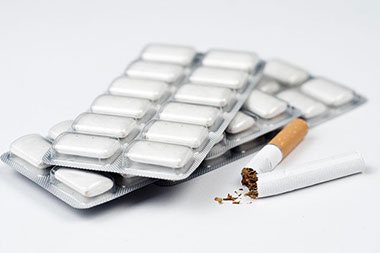
    Image of broken cigarette and nicotine gum.

    There’s no one right way to quit smoking. Some people find that they just quit on their own. Others use medical treatments to help. If you’re thinking about quitting, you have several options:

    *  Attend support groups or counseling

    *  Get your doctor’s advice and support

    *  Choose medicines that contain nicotine and help with nicotine addiction, including patches, gum, lozenges, inhalers and nasal spray. Some are available in stores and others need a prescription.

    *  Find a prescription medicine that doesn’t contain nicotine and still helps a person quit smoking.

    *  Go cold turkey: stop completely, all at once, without any help.

    *  Slowly decrease the amount of cigarettes smoked each day until you stop altogether.

    Counseling and medicine together may be more helpful than using just one method. Sometimes, you may need to try a few different approaches to find the one that works for you.

    Get free quitting help by phone

    If you’d like to talk with someone about quitting, call 1-800-QUIT-NOW (1-800-784-8669). This service is FREE and may include support and advice, a quit plan, free or discounted medications and other resources.

    Free quitting help online

    For those with a computer or tablet, help with quitting is just a few clicks away. Smokefree.gov offers a number of resources to help people quit smoking. There are tools and tips, information and support throughout the process of quitting.

    Source: Centers for Disease Control and Prevention, National Institutes of Health

    Reasons to quit smoking

    Quitting smoking isn’t easy. But, it means you will start to become healthier within just minutes of quitting. Take a look at the benefits of quitting:

    *  20 minutes after quitting: Blood pressure and heart rate gets lower.

    *  12 hours after quitting: Carbon monoxide levels in the blood go back to normal.

    *  2 weeks to 3 months after quitting: Lungs start to work better and blood circulation gets better.

    *  1 to 9 months after quitting: Lungs can handle mucus and recover from infections more easily. This means less coughing and shortness of breath.

    *  1 year after quitting: The risk of a heart attack drops dramatically. The increased risk of heart disease is cut in half.

    *  2 to 5 years after quitting: Risk of a stroke is now the same as a non-smoker.

    *  5 years after quitting: Risk of several cancers is slashed in half. This includes cancers of the bladder, mouth, throat and esophagus.

    *  10 years after quitting: Risk of lung cancer decreases by half. Risk of cancer of the voice box and pancreas drop.

    *  15 years after quitting: The risk of heart disease drops to that of a non-smoker.

    Don’t forget about benefits to your appearance. Yellowed teeth and fingers can become a thing of the past, as well as bad breath and smoke odors on clothes and in hair. Tobacco also causes wrinkling of the skin and tooth loss, so quitting can mean better skin and a brighter smile.

    It’s never too late to quit. Quitting at any age can extend a person’s life, reduce or eliminate health problems, and lower the risk of dying from smoking-related diseases.

    Source: American Cancer Society

    © American Institute for Preventive Medicine

  • Brighter, Whiter Smile

    WELL-BEING

    Image of older couple smiling.

    Whitening procedures and products can help restore a whiter smile. But there’s a dark side to whitening your teeth, according to the Pennsylvania Dental Association. Certain tooth whitening procedures being done by nondentists at salons, spas, and even shopping malls may not be what’s right for you.

    The association says to have a thorough exam performed by a licensed dentist before having any tooth whitening procedure. You may have problems with some of the solutions especially if you have many fillings, crowns, and extremely dark stains.

    After a thorough exam, your dentist can determine if bleaching is right for you. The following are common treatment options your dentist may recommend:

    *Prescription bleaching kits.These are dispensed by a licensed dentist and contain peroxides that will bleach the tooth enamel. Gel whiteners are placed in a tray similar to a mouth guard. By obtaining the bleaching solution from your dentist, he or she can make a custom-fitted tray specifically designed to fit your teeth. Poorly fitting trays can irritate your gums and cause tissue burning.

    *Zoom whitening.Also known as power whitening, this is a high concentration of hydrogen peroxide gel coupled with a high-intensity light used to whiten the teeth. This in-office procedure takes about one hour. The teeth whitening lasts about three years.

    *Whitening toothpaste.This will not change the natural color of teeth, but some contain a special chemical or polishing agent to help remove stains from the tooth surface.

    © American Institute for Preventive Medicine
  • Gas Leak

    WELL-BEING

    Illustration of 911 Emergency written.

    Be aware of all the possible signs of a gas leak, including a distinct unpleasant smell. The odor is added to natural gas to help identify leaks.

    If a leak is suspected:

    *  Stay calm.

    *  Don’t light a match, candle, or cigarette, and don’t turn any electrical devices on or off, including light switches, or use any device or equipment that could cause a spark.

    *  Immediately evacuate the area where the leak is suspected and from a safe location call your gas company or 911.

    © American Institute for Preventive Medicine

  • If You Help Others, You’Ll Be Healthier

    WELL-BEING

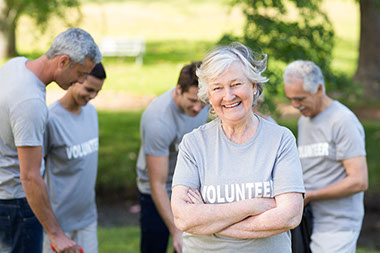
    Image of a group of volunteers.

    The benefits of volunteering or helping other people seem to pay off for the giver and not necessarily the receiver.

    Providing tangible help to others protects your health and may lengthen your life, according to a 5-year study by researchers at 3 universities.

    The lead researcher Dr. Michael J. Poulin, assistant professor of psychology at the University of Buffalo, says, “Giving assistance to others may offer health benefits to the giver by buffering the negative effects of stress.” The study was published in the American Journal of Public Health.

    Here’s why giving works. The study subjects were people from Detroit. They told researchers they had experienced stressful events during the past year such as serious illness, burglary, job loss, financial troubles, or death of a family member. They also reported the amount of time they had spent in the past year helping friends, neighbors or relatives who did not live with them. They did errands, shopping and housework. They also provided transportation, child care and other tasks.

    The researchers concluded that helping others reduced the risk of illness and death by protecting the givers, even though they themselves had significant life stress. The social interaction was an important factor.

    © American Institute for Preventive Medicine
  • National Preparedness

    WELL-BEING

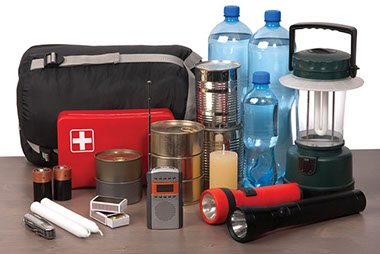
    Image of emergency kit.

    Floods, tornadoes and hurricanes are common stories in the news. Would you and your family be ready for these weather disasters and other unexpected events, such as a house fire or a terrorist attack?

    The Federal Emergency Management Agency (FEMA) in the US Department of Homeland Security wants you to learn what you need to do to be prepared for a variety of disasters. Its website,www.ready.gov, takes you through the following steps to make preparation easier:

    *  Be informed

    *  Make a plan

    *  Build a kit

    *  Get involved

    Each of these areas covers what to do when you are at home, as well as other locations. These include workplaces, schools, and college campuses. You will also find out ways to address caring for pets, aiding family members with access and functional needs and safely shutting off utilities.

    Pre-financial disaster planning is also important. Disasters leave many people without access to finances or with expensive damages. Learn what documents, such as your house deed and insurance policies to keep in a safety deposit box or other safe place away from your home. Make copies of important documents and keep them in your emergency kit or an emergency financial first aid kit (EFFAK). Get a complete list of what to put in the EFFAK fromwww.fema.gov/media-library/assets/documents/29791.

    The Centers for Disease Control and Prevention has many resources and tools to help you be prepared for disasters. Access these fromwww.cdc.gov/features/beready.

    Some disasters strike without warning, so get started today to be prepared.

    © American Institute for Preventive Medicine