Category: Well-Being

  • Safer Winter Driving For Under $30

    WELL-BEING

    Image of car driving down a snowy road.

    Rain, fog, snow, ice, and sleet-all the challenges of winter driving. You can’t control the weather, but you can take care to be prepared (and spend less than $30 to be safer), say auto claims experts from MetLife.

    *  Cold weather can cut the life of a car battery in half. Buy a battery tester for less than $1, and check the health of your battery to make sure you won’t be left stranded out in the cold.

    *  Check to see if your antifreeze is at the recommended 50/50 ratio of antifreeze to water to protect your car’s cooling system from freezing. Buy an antifreeze tester for less than $2.

    *  Properly inflated tires guarantee the best possible contact with the road, giving you more control. Check your air pressure to make sure it matches your tire guidelines. Air pressure drops as the temperature drops.

    *  If your windshield wipers leave a streak across the windshield, it’s time to invest in winterized wiper-blade refills (around $7).

    *  Top off the windshield wiper fluid and always carry an extra gallon ($2).

    *  Buy an ice scraper and de-icer for about $2 to break up any ice that might be blocking your vision or clogging your locks.

    *  If your car is stuck in snow or ice, have a folding snow shovel (about $7) and a bag of cat litter (around $2) handy to dig yourself out and provide traction for your tires on the slippery surface.

    *  Keep free stuff from your home in your car: old blankets, hats, gloves.

    © American Institute for Preventive Medicine

  • After You Quit Smoking

    WELL-BEING

    Hand refusing cigarettes.

    No matter what your age is, or how long you’ve smoked, you can reap benefits of quitting today!

    Here’s what happens in your body after you quit:

    *  12 hours later, carbon monoxide in your blood drops to normal levels.

    *  2 weeks to 3 months later, your circulation improves and your lungs work better.

    *  1 year later, your risk of developing heart disease is slashed in half.

    You’ll also lower your risk for lung cancer when you quit. And the health benefits continue the longer you stay smoke-free. Visitsmokefree.govto start your quit journey!

    © American Institute for Preventive Medicine
  • Cataract Facts

    WELL-BEING

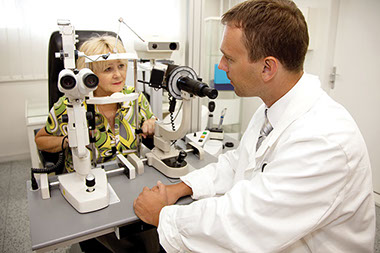
    Image of eye doctor and patient.

    With aging comes the possibility of developing cataracts. In fact, age is the primary risk factor for developing a clouding of the lens of one or both eyes.

    Smoking and diabetes may contribute to the proteins in the eye that clump together and begin to cloud vision, but wear and tear over the years is the main culprit, according to the National Eye Institute.

    If you have trouble identifying blues and purples, you may have what is called lens discoloration from a cataract forming. The condition can begin as early as age 40, but after age 60 is when cataracts start to reduce the sharpness of your vision.

    Other signs of cataract formation include glaring headlights and poor night vision, double vision, faded colors, or frequent prescription changes in your eyeglasses or contacts.

    Wearing sunglasses and a hat with a wide brim to block ultraviolet sunlight may help to delay cataracts. If you smoke, stop. Researchers also believe good nutrition can help reduce the risk of age-related cataract. They advise eating green leafy vegetables, fruit, and other foods with antioxidants.

    If you are age 60 or older, you should have a comprehensive dilated eye exam at least once every 2 years. In addition to checking for cataracts, your eye care professional can check for signs of age-related macular degeneration, glaucoma, and other vision disorders. Early treatment for many eye diseases may save your sight.

    © American Institute for Preventive Medicine

  • Gentle Ways To Support Someone With Depression

    WELL-BEING

    Image of women supporting another women with depression.

    Everyone knows someone who has been through depression. Yet it’s not something we’re used to talking about over coffee break.

    If you suspect that someone is depressed, what do you say? You’re not a doctor, and you certainly can’t diagnose. But you can offer some encouragement, say mental health experts:

    *  Be understanding: “I know you’re suffering. I know you’re in pain.” “Have you thought about talking things over with your doctor?”

    *  Be supportive: “It’s okay to take your medicine.”

    *  Maintain as normal a relationship as possible: “How about lunch? My treat.”

    *  Pay genuine compliments: “Great new haircut.”

    *  Show respect: “Nice work on that report.”

    Treatment works, but it won’t work if people are not encouraged to see their doctor in the first place. Seeking treatment is a sign of strength. It’s the first step toward feeling better. Yet all the medicine in the world won’t be enough without support from those around you.

    Know what to say and when to say it. Be present to help someone put depression in their past.

    © American Institute for Preventive Medicine

  • Important Health Screenings For Men

    WELL-BEING

    Image of male doctor.

    Even if you feel fine, you should see your doctor for regular health screenings. Many health conditions cause no symptoms in their earliest stages. Screenings can help you get earlier treatment and a better outcome. The National Institutes of Health recommends the following tests for men:

    Abdominal aortic aneurysm:

    Adults ages 65 to 75 who have smoked may need this screening once. Others should consult with their doctor.

    Blood pressure:

    Every one to two years, depending on your risk factors or health conditions.

    Cholesterol:

    Beginning at age 35, every five years if levels are normal. Men with high blood pressure, other risk factors for heart disease or certain health conditions may need to get screened sooner or more often.

    Colon cancer:

    Screening may begin at age 50, or earlier, if you have a family history of the disease, certain risk factors or certain health conditions.

    Diabetes:

    Every three years beginning at age 45. Earlier and/or more frequent testing may be advised if you have certain risk factors.

    Eyes:

    Every one to two years, or more often if you have glaucoma, have certain eye conditions or if your doctor recommends it.

    Hearing:

    Adults over age 65 may need a hearing test if signs of hearing loss are present.

    Lung cancer:

    Annual screening may be recommended for adults aged 55 to 80 years who have a 30 pack-year (smoke one pack per day for 30 years) smoking history AND currently smoke or have quit within the past 15 years.

    Osteoporosis:

    Discuss screening with your doctor if you are over age 50.

    Physical exam:

    Height, weight and Body Mass Index (BMI) should be measured at well visits.

    Prostate cancer:

    Discuss screening with your doctor. Men with certain risk factors may need screenings beginning at age 45.

    Sexually transmitted infections:

    Depending on age, lifestyle and medical history, you may need to discuss with your doctor about getting tested for chlamydia, syphilis, HIV and other infections.

    Men of all ages and health statuses need regular health screenings. Call your doctor to schedule your well visit!

    © American Institute for Preventive Medicine

  • National Safety Month

    WELL-BEING

    Image of worder wearing proper hard-hat and protective eye glasses.

    Each June, the National Safety Council celebrates National Safety Month. This year’s theme is “Safety: It takes all of us.” Join the Council and thousands of organizations across the country to reduce the risk of these key safety issues:

    Week 1: Prevent prescription drug abuse

    *  Ask your doctor about the risk of addiction when he or she advises prescription painkillers. Take these medicines only as prescribed.

    *  If you suspect a co-worker is abusing prescription drugs, contact your Employee Assistance Program or Human Resources. Signs of abusing these drugs include:

    –  Lack of focus or attention

    –  Poor judgment

    –  Missing work often

    Week 2: Stop slips, trips and falls

    *  Follow your workplace’s safety guidelines.

    *  Keep walkways and stairs free from clutter, water and other falling hazards.

    *  At home, use grab bars and safety mats in your tub and shower and next to the toilet.

    Week 3: Be aware of your surroundings

    *  Scan your area for potential hazards.

    *  Follow workplace safety rules for storing objects securely and safe use of machines.

    *  Pay attention at all times. Do not get distracted when working or when you walk, especially when using your cell phone.

    Week 4: Put an end to distracted driving

    When you are driving, focus on the road. Do not use your smartphone or cell phone for texting or talking. Hands-free talking does not make driving safer. Your mind is still sidetracked.

    *  The National Safety Council suggests that you change your voicemail greeting to something like: “Hi, you’ve reached (insert your name). I’m either away from my phone or I’m driving. Please leave a message.”

    *  Avoid other distractions, too. Examples are eating, talking to passengers, grooming, reading (including maps) and adjusting a radio, CD player, or MP3 player.

    Bonus week: Summer safety

    *  Limit exposure to the sun, especially between 10 a.m. and 4 p.m. Wear a broad-spectrum sunscreen with a sun protection factor (SPF) of 15 or higher, as directed. Wear a wide-brimmed hat and sunglasses that wrap around and block both UVA and UVB rays.

    *  Follow directions to use outdoor tools and the lawn mower safely.

    *  Drink plenty of water to help prevent heat-related problems.

    © American Institute for Preventive Medicine

  • Simple Steps To Save Your Sight

    WELL-BEING

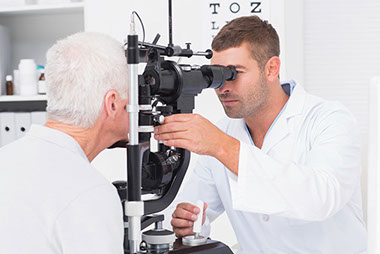
    Image of older male getting eyes checked by a doctor.

    Age-related macular degeneration (AMD) is the number one cause of blindness in older adults. AMD damages central vision, which means things like reading, driving and seeing faces are limited or impossible. There is no cure for AMD, but there are procedures and steps you can take to help save vision. Lower your risk of getting AMD with these tips:

    *Don’t smoke.Studies show that smoking increases the risk of AMD. Smokers are twice as likely to get AMD as nonsmokers. If you do smoke, take steps to quit.

    *Know your family history.People with a close relative who has AMD have a 50 percent chance of getting AMD. Detecting AMD early means you could save your vision.

    *Eat a healthy diet.People who eat omega-3 fatty acids, found in fatty fish, are less likely to get AMD. Also, focus on eating leafy greens such as spinach, kale and leafy lettuce. Eat plenty of whole fruits (not fruit juice).

    *Limit unhealthy fats and cholesterol.Eating a lot of saturated fat and cholesterol raises the risk of getting AMD. Avoid processed (packaged) foods with unhealthy saturated and trans fats.

    *Be active.Exercise may keep your eyes healthy. Exercising at least three times per week can reduce your risk of getting AMD.

    *See your eye doctor regularly.An eye doctor can catch AMD early with an eye exam. Find out how often you should have your eyes checked.

    *Protect your eyes from the sun.Always wear sunglasses that have 100 percent UV protection when you are outside. For additional coverage, wear a wide-brimmed hat.

    *Get regular checkups from your doctor.Keeping cholesterol, blood sugar and blood pressure under control also helps maintain healthy eyes.

    *Your vision is too important to leave to chance.A healthy lifestyle and good medical care can help you avoid AMD or catch it early, before it damages your sight.

    Sources: American Academy of Ophthalmology, American Macular Degeneration Foundation

    © American Institute for Preventive Medicine

  • Swimming Pool Myths & Truths

    WELL-BEING

    Image of girl swimming under water.

    Myth: When it comes to pool water, clarity means cleanliness.

    Truth:Even when swimming pool water is clear, microorganisms too small to be seen with the naked eye can be present. While chlorine destroys bacteria that could put swimmers at risk for disease, it takes time to work. Most germs are killed within seconds in a properly treated pool, but some (such as Cryptosporidium) can survive for days and require more aggressive treatment.

    Myth: Swimming is not good for people with asthma.

    Truth:Medical experts say swimming in a healthy, well-maintained pool is an excellent physical outlet for swimmers with asthma. The CDC and World Health Organization and other public health experts have asserted that swimming in a well-maintained pool is a healthy form of exercise for people with asthma.

    Myth: Chlorine turns hair green.

    Truth:A survey by the Water Quality and Health Council discovered that nearly half of respondents believe that chorine is responsible for turning hair green. In fact, the presence of copper in swimming pool water is to blame. Copper may be introduced to pool water in several ways, including metal plumbing, or algaecide.

    Myth: Swimmer “red eye” is caused by too much chlorine in the pool.

    Truth:In reality, when nitrogen, found in urine and sweat, is combined with chlorine, irritants called chloramines are formed. It is these chloramines, not the chlorine itself, that irritate the eyes, skin and respiratory system. In this case, more chlorine may actually need to be added to pool water in order to reduce the formation of chloramines.

    Myth: The strong odor of chemicals indicates a clean, well-treated pool.

    Truth:A faint smell is expected, but a strong scent of chemicals could mean trouble. When irritating chloramines are formed by the mixture of chlorine and pool contaminants, such as urine, body oils and other substances brought into the pool by swimmers, a strong smell is released. A healthy pool is one with little to no odor.

    © American Institute for Preventive Medicine