Category: Well-Being

  • Navigate Open Enrollment

    WELL-BEING

    Image of 2 people talking.

    Make the most of your benefit plan, especially during open enrollment periods. Here are money-saving tips from HighRoads, a benefits management company.

    *Get your plan materials.Some companies are giving you a Summary Plan Description online, via mobile apps, as well as on paper. It’s good to know how you can access this information during open enrollment and throughout the year, in case you want to review it again when you are in need of a particular medical service. Take time to read the plan.

    *Calculate your costs.Many employers provide cost calculators to help project your total cost for the coming plan year. The total cost includes the premium you pay as well as your share of the deductible and coinsurance. Take the time during open enrollment to think through your potential medical needs and calculate your anticipated expenses before selecting a plan. It may save you hundreds in the long run.

    *Consider an account.Your employer may offer you the option of a health care account, whether it is a flexible spending account, a health reimbursement account, or a health savings account. These accounts can help you save money on qualified medical expenses that aren’t covered by your health care plan, such as deductibles and coinsurance. Each account has a different set of rules about how and when you can spend the money, but each is worth considering because the savings you’ll see can add up quickly.

    *Is prevention covered?One of the benefits of health care reform is an extended list of preventive care benefits that must be offered by new health care plans for free. Preventive services such as colonoscopy screenings, Pap smears and mammograms for women, well-child visits, and flu shots for all children and adults must be offered without out-of-pocket costs. However, these benefits are only for new health plans and don’t apply to “grandfathered” plans that haven’t significantly changed in a few years.

    *Use wellness incentives.More employers than ever before are offering incentives such as premium discounts, low deductibles, gym memberships, or prizes to employees and their family members for health improvement.

    *Know your deadlines.No matter what changes you may make, if any, during this year’s open enrollment period, don’t let your selection deadlines slip by without action.

    © American Institute for Preventive Medicine
  • Sharing A Bathroom And The Dangers Of Tooth Brushing

    WELL-BEING

    Image of tooth brushes in a cup.

    Leaving your toothbrush out on the bathroom counter subjects it to picking up all kinds of yucky germs, not only your own but those from others, and we’re talking about fecal coliforms (you can guess what those are). Toilet flushing or just being around other people’s poor hygiene can contaminate the toothbrushes.

    Tooth brushes stored too close together promotes cross contamination of germs.

    A study presented to the American Society for Microbiology examined toothbrushes in group bathrooms at a college campus. Turns out the problem is not your own germs, but those from other people who share the bathroom space.

    Lesson learned-if you share a bathroom, don’t leave your toothbrush around. Even if you rinse it in hot water or mouthwash, it can still get contaminated. Putting it into a case is even worse because the environment inside the cover helps the nasty germs grow.

    Solution? Let the bristles dry out somewhere else, such as in your bedroom.

    © American Institute for Preventive Medicine
  • The Buzz About Alcohol

    WELL-BEING

    Image of lemon water.

    Drinking at social events or bars and the ease that a little buzz provides make it hard to limit yourself when friends gather around a pitcher of beer. Dennis Donovan, director of the Alcohol and Drug Abuse Institute at the University of Washington, has advice for how to drink moderately-or not at all.

    *Count your drinks.In many cases, people lose track of how much they’ve had. This is especially true when sharing a pitcher of beer and someone refills the glass.

    *Know a standard serving size.Large wine glasses, higher alcohol content in some beers, and generous liquor pours in mixed drinks make the “I only had one!” claim questionable.

    *One drink, one hour.Most people’s bodies can process about one drink per hour. Pace yourself to one drink an hour or so, and every hour or two you might take a drink “off” and have water or another non-alcoholic beverage instead. Also, make sure to eat.

    *Ginger ale looks like a cocktail.Teetotalers not wanting to attract attention or questions can stick to ginger ale or other non-alcoholic drinks that look like cocktails.

    *Say no.Firmly, confidently turn down drinks and become resistant to social pressure and arm-twisting. Practice saying: “No, I’ve reached my limit” or “I’m not drinking tonight.”

    © American Institute for Preventive Medicine
  • 6 Benefits Of Drinking Water

    WELL-BEING

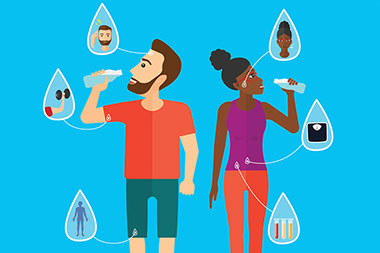
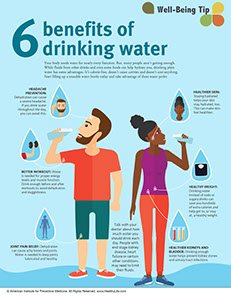
    Illustration of drinking water and it's benefits.

    Your body needs water for nearly every function. But, many people aren’t getting enough. While fluids from other drinks and even some foods can help hydrate you, drinking plain water has some advantages. It’s calorie-free, doesn’t cause cavities and doesn’t cost anything. Start filling up a reusable water bottle today and take advantage of these water perks:

    Headache prevention:Dehydration can cause a severe headache. If you drink water throughout the day, you can avoid this.

    Better workout:Water is needed for proper energy levels and muscle function. Drink enough before and after workouts to avoid dehydration and sluggishness.

    Joint pain relief:Dehydration can cause achy bones and joints. Water is needed to keep joints lubricated and healthy.

    Healthier skin:Staying hydrated helps your skin stay hydrated, too. This can make skin feel healthier.

    Healthy weight:Drinking water instead of soda or sugary drinks can save you hundreds of extra calories and help get to, or stay at, a healthy weight.

    Healthier kidneys and bladder:Drinking enough water helps prevent kidney stones and urinary tract infections.

    Talk with your doctor about how much water you should drink each day. People with end stage kidney disease, heart failure or certain other conditions may need to limit their fluids.

    © American Institute for Preventive Medicine

  • Do-It-Yourself Spring Cleaning Guide

    WELL-BEING

    Image of various cleaning products.

    Germs grow and invade your privacy. Bathrooms are one of their popular spots. They gather in the bathtub, shower, toilet-just about everywhere.

    “People these days just don’t take time out from their busy schedule to clean,” said Donna Duberg, lab science and germ expert at Saint Louis University. Duberg offers some simple ways to do your spring cleaning and make your bathroom germ-free.

    Simplify cleaning:Engage in basic cleaning such as disinfecting and removing visible dirt regularly, to make spring cleaning less cumbersome. As spring sets in, brace yourself to clear the scum and lime scale-mostly found on your shower curtains-and mold stuck in and around your bathtub. They hold on to bacteria and can cause fungi to grow.

    Don’t overkill:If you use too many cleaners and don’t dilute them, you risk the chance of inhaling the fumes of the cleaners, which can affect your lungs. Keep the windows open while cleaning or plug in fans to avoid breathing in the chemicals. Read the label carefully to understand how to use a product.

    Instead of harsh chemicals, use the magic ingredient:Vinegar, when mixed with water can do wonders for the surfaces. Spray a mixture of one part white distilled vinegar mixed with 9 parts water to see a nice shine on your bathtub or floor. Undiluted white distilled vinegar mixed with baking soda can be used to remove scum. The fewer the cleaning products, the better. Vinegar is inexpensive, is not harmful to kids and pets, and always leaves a shine.

    © American Institute for Preventive Medicine

  • Hair Loss: More Than Skin Deep

    WELL-BEING

    Image of man with thining hair.

    Hair loss is a common issue among men and women alike. The U.S. National Library of Medicine says about 50 million men and 30 million women have some degree of hair loss or baldness. Most of the time, this is due to hereditary hair loss.

    Sometimes, however, hair loss is a sign of a health problem. Hair loss can sometimes be caused by:

    *  Thyroid problems

    *  Diabetes

    *  Low iron in the blood (anemia)

    *  Prostate cancer in men

    *  High blood pressure (hypertension)

    *  Polycystic ovary syndrome (PCOS) in women

    Hair loss doesn’t always mean you have a serious illness. Sometimes hair falls out for a little while and then starts to grow back. Some of the reasons this happens include:

    *  Hair breakage from chemicals like perms and hair color

    *  Hairstyles that pull on the hair, such as tight ponytails and braids

    *  A stressful event, such as a death in the family

    *  Stress on the body from major surgery, childbirth or some illnesses

    *  Brushing hair too hard or too often

    *  Some prescription medicines, including those for arthritis, cancer, depression, gout, heart disease and high blood pressure

    *  Hormone changes, such as during pregnancy or menopause

    If you notice sudden hair loss, it’s important to find out the cause. If you notice large amounts of hair falling out when combing or washing your hair, or thinning or bald spots, make an appointment with your doctor.

    Common hair loss treatments

    Knowing the cause of your hair loss is the first step to treatment. For instance, if iron levels are low, your doctor may recommend an iron supplement. Treatments for common hereditary hair loss include:

    *  Topical minoxidil (brand name Rogaine, which can be purchased in stores)

    *  Finasteride (prescription medicine for men only)

    *  Topical or oral estrogen or other hormones (prescription for women only)

    *  Hair transplant surgery

    Source: American Academy of Dermatology

    © American Institute for Preventive Medicine

  • Keeping Track Of Medicines

    WELL-BEING

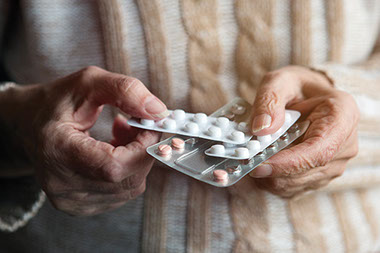
    Close up image of hands holding medications.

    Did I take my medicine? If you find yourself asking that question often, try these tips to help you keep track.

    *Keep them in an accessible spot.As long as they’re out of reach of children or pets, the best place for your medicine is a place you’ll see it.

    *Write it down.Purchase a small notebook and write down each medicine as you take it. Be sure to record the date, time, and what you have taken.

    *Use technology.Today’s smartphones have alarms you can use to remember your medicines. Set separate alarms for each medicine and have them repeat daily. Don’t have a smartphone? Check out “talking” pill boxes. Take the medicine as soon as the alarm goes off. Don’t wait – or you may forget!

    *Know what to do if you miss a dose.Some medicines should be “made up” at the next dose, but others should not. It may be dangerous if you forget certain life-saving medicines.

    Medicines we use the most

    The most frequently prescribed medicines in the U.S. are:

    *  Pain relievers

    *  Lipid-lowering medicines (to lower cholesterol or triglycerides)

    *  Antidepressant medicines

    © American Institute for Preventive Medicine
  • New You

    WELL-BEING

    Image of smiling man.

    Why wait to create a new you? Live your best life now. This advice comes from researchers at Washington University:

    *Learn something new.Take a class in a subject you enjoy or are curious about. Check your community colleges for noncredit continuing education classes. Rekindle your love of learning.

    *Volunteer.It’s good for your physical and mental health whether you’re building a house for someone, ladling out soup for the homeless, or collecting canned goods. You’ll make valuable community connections.

    *Get your social media house in order.The Internet and social media have opened up exciting new avenues to connect with others and new vistas to share preferences in films, books, and music. Have fun. But be cautious. Check your default privacy settings. Log out and see what your profile looks like to the outside world. Make sure passwords are complex – Use upper and lowercase letters and a special character, such as $. Don’t use the same password for all social media accounts.

    *Rediscover the library.The digital revolution has changed your local library. You can often download books online. Consider how much your library offers: novels and nonfiction works for all ages, how-to books, music CDs, movies on DVD or videotape, maps and reference works. Read the latest magazines or journals.

    *Step away from your desk.Physical activity improves health, lowers stress, and increases productivity. And if those weren’t reasons enough, research shows that exercise reduces the risk of diseases such as breast cancer, colon cancer, and Alzheimer’s.

    *Pay down your credit card debt.Put extra money toward the loans with the highest interest rates. Consolidate several small debts.

    *Use your smartphone to quit smoking.You can tap into apps for messages of support and access websites that give step-by-step encouragement.

    *Kick the car habit.Leave the SUV in the garage and try alternate means of transportation such as the bus or train, bicycling, walking, or park-and-ride commuting.

    *Parents:Make every day count. Happy, well-adjusted children need happy, well-adjusted parents.

    *Get more sleep.

    *Consume more culture.The arts not only educate and entertain, they help us to better understand ourselves and others. Visit your local museums, galleries, theaters, dance companies, and music halls.

    © American Institute for Preventive Medicine