SUCCESS OVER STRESS
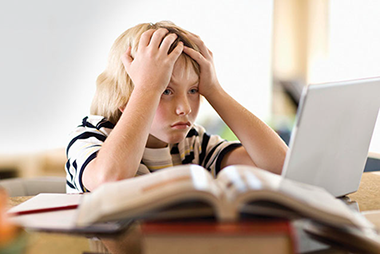
You’ve seen “helicopter” parents. They hover on the sidelines at the soccer game, yelling, chewing their player out, and rarely praising. You’ve seen the result of their overbearing pressure in the classroom as they push push push their children to achieve too much too fast. Maybe you’re guilty of a little too much hovering yourself.
“Pushing your children into situations they are not developmentally prepared for is far more likely to create a sense of insecurity than a sense of competence,” said Dr. Tim Riley, a psychologist and author of the award-winning book First the Broccoli, Then the Ice Cream: A Parent’s Guide to Deliberate Discipline.
Unrealistic expectations can lead to overwhelmed and underperforming kids. Parents can create stressed-out kids with the following actions, according to Dr. Riley, who then offers some perspective on toning back expectations.
Action that CAN Create Stressed-Out Kids
* Giving them regular access to adult information or including them in adult conversations they aren’t developmentally prepared to handle.
* Putting pressure on kids to acquire skills before they really need them.
* Giving cell phones and allowing texting for elementary schoolers.
* Sharing your grown-up worries and concerns (financial, for example) with your kids.
* Filling their schedules with adult-organized activities outside the home.
* Jumping in a lot (as opposed to jumping ahead and seeing the bigger picture) to solve their problems for them.
* Disciplining inconsistently.
Ways to Tone Back Expectations
* Let kids read their age-level adventure stories and tell you about them. Too much adult TV or too much involvement in adult affairs blurs the line between being an adult and letting kids just be kids.
* Allow little ones their unstructured creative playtime where they can be Little Einsteins in their own world. Pushing your baby to “read” makes him or her no better prepared academically in the long term.
* Preposterous-or should we start training infants to drive or do taxes? They will learn computers and electronics in their own time.
* No need to include them in adult problems they can’t do anything about.
* Make sure home provides a safe harbor from an overload of lessons, practices, and clubs and is more than just a place to eat and change clothes on the way to the next activity.
* Sometimes the natural consequences of an action, such as not doing homework, are the best teacher. Give kids an appropriate amount of responsibility and stay out of their way.
* You’re the parent. Your kids look to you for security. But if you ground a child for not picking up his toys one day and overlook it the next, what message are you sending? Your child will not feel secure. Be consistent and realistic in your expectations and in your discipline.

© American Institute for Preventive Medicine