Ear, Nose & Throat Conditions
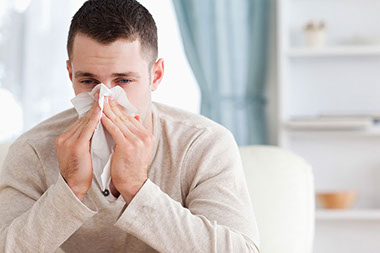
Hay fever has nothing to do with hay or fever. The medical term for hay fever is allergic rhinitis. It is most common in spring and fall when a lot of ragweed is in the air. Some people have hay fever all year, though.
Signs & Symptoms
* Itchy or watery eyes.
* Runny, itchy nose.
* Congestion.
* Sneezing.
Causes
Hay fever is a reaction of the upper respiratory tract to allergens.
Treatment
Talk to your doctor if self-care measures do not help. He or she may prescribe:
* Antihistamines. For best results, take the antihistamine 30 minutes before going outside. {Note: Some over-the-counter antihistamines can make you more drowsy than prescribed ones. Be careful when driving and operating machinery since some antihistamines can make you drowsy.}
* A decongestant. {Note: Do not give antihistamines, decongestants, and other over-the-counter medicines for colds, coughs, and/or the flu to children less than 2 years old. For children 2 years old and older, follow their doctor’s advice.
* A corticosteroid nasal spray and eye drops, cromolyn sodium, and oral corticosteroids.
* Skin tests to find out what things you are allergic to.
* Allergy shots.
It is best to take what your doctor advises instead of testing over-the-counter products on your own.
Questions to Ask
Self-Care / Prevention
* If you are allergic to pollen and molds, let someone else do outside chores. Mowing the lawn or raking leaves can make you very sick.
* Keep windows and doors shut and stay inside when the pollen count or humidity is high. Early morning is sometimes the worst.
* Avoid tobacco smoke and other air pollutants.
* Don’t have pets. If you have a pet, keep it out of the bedroom. When you can, keep the pet outdoors.
* Use an air conditioner or air cleaner in your house, especially in the bedroom. Electronic air filters are better than mechanical ones. Clean the filter often. Or, try a doctor-approved air purifier, especially in the bedroom. Devices with HEPA filters can be very effective in cleaning indoor air.
To limit dust, mold, and pollen:
* Put a plastic cover on your mattress or cover it completely with an allergen-free mattress cover.
* Sleep with no pillow or with the kind your doctor or health care provider recommends. If you use a pillow, cover it with an allergen-free cover.
* Don’t dry sheets and blankets outside.
* Try not to have stuffed animals kept in the bedroom. If you must, have only one that can be washed. Wash it in hot water once a week.
* Use curtains and rugs that can be washed often. Don’t use carpeting.
* Dust and vacuum often. Wear a dust filter mask when you do.
* Put an electronic air filter on your furnace or use portable air purifiers.
* Shower or bathe and wash your hair after heavy exposure to pollen, dust, etc.
Resources
© American Institute for Preventive Medicine