HEALTHY EATING
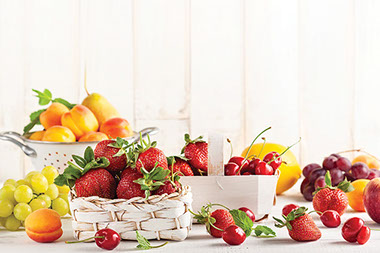
In recent decades, as organic foods became available, more people are asking if their fruits and vegetables need to be organic.
At the moment, the debate about organic foods is ongoing. While there appears to be environmental benefits to organic farming practices, more research is needed to show how organic food impacts long-term health.
Pros & cons of organic
In order for a food to be certified “organic” by the USDA it must meet certain criteria. These include:
* No prohibited pesticides or synthetic fertilizers
* No hormones or antibiotics
* No GMOs or artificial preservatives
* Organic soil managment
* Animals provided natural conditions such as grass pastures
* Healthy water systems
These standards generally result in farming practices that have less negative environmental impact. In addition, the absence of pesticides and hormones may benefit human health. But, for all the reasons organic food may be good, there is one big reason it can be out of reach: COST.
When farmers practice organic techniques, it requires more time and effort, leading to higher food costs.
Make organic affordable
If you want to purchase organic without breaking the bank, one option is to simplify by focusing on The Dirty Dozen™.
The Dirty Dozen™ is a list released each year by the Environmental Working Group, a non-profit organization focused on improving agriculture in the U.S. The fruits and vegetables on this list contain the highest concentrations of pesticides of any produce. If you’re going to buy organic, these foods are the best place to start.
Choosing organic when you buy The Dirty Dozen™ allows you to make the biggest impact with the fewest dollars.
The Dirty Dozen™
1. Strawberries
2. Spinach
3. Kale, collard greens, and mustard greens
4. Nectarines
5. Apples
6. Grapes
7. Cherries
8. Peaches
9. Pears
10. Bell and hot peppers
11. Celery
12. Tomatoes
Not buying organic? No problem!
If organic isn’t the right choice for you, don’t worry. What’s most important is making healthy food choices, regardless of the organic label.
Just be sure to thoroughly clean any fruits and vegetables you buy. A good wash protects you from contaminants and can reduce pesticide residue.
© American Institute for Preventive Medicine