Healthylife® Weigh
Part 7
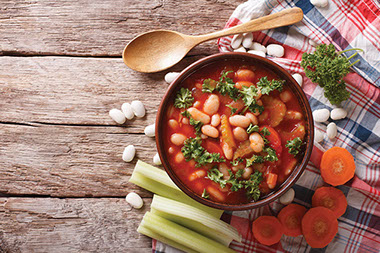
Vegetarian
Vegetarian diets are plant-based eating patterns. There are variations of the vegetarian diet:
* Vegan: includes only foods from plants (e.g., vegetables, fruits, legumes, grains, seeds, and nuts). No foods from animal sources are included.
* Lacto-vegetarian: includes plant foods plus cheese and other dairy products.
* Lacto-ovo-vegetarian: includes plant foods, cheese, other dairy products, and eggs.
Vegetarian diets are usually low in saturated fat because animal proteins, a source of saturated fat, are limited or eliminated. Eating a plant-based diet can lower your risk of obesity, coronary heart disease, high blood pressure, type 2 diabetes, and some forms of cancer.
The healthy eating patterns in this guide encourage you to make most of your food choices from plants. If you follow a vegetarian diet, you don’t need to make many changes to the guidelines in this guide.
Choose a variety of foods to obtain necessary nutrients. Choose plant-based protein sources. If consuming some animal-based protein sources, choose eggs, seafood, and low-fat dairy.
Vegetarians are at higher risk for some vitamin and mineral deficiencies. You can obtain these nutrients by eating a variety of plant foods.
* Iron can be found in pumpkin seeds, dried beans, legumes, lentils, spinach, whole grains, and enriched products.
* Vitamin B12 can be found in fortified breakfast cereals, fortified soy beverages, and some brands of nutritional yeast.
* Vitamin D can be found in some mushrooms and pasture-raised eggs. It can also be obtained by spending time in sunlight for at least 15 minutes each day with your arms exposed.
* Zinc can be found in whole grains, quinoa, pumpkin seeds, chia seeds, pecans, walnuts, legumes, and shellfish.
* Calcium can be found in green leafy vegetables (e.g., spinach, kale), nuts, broccoli, legumes, soybean products, and fortified foods.
If you are concerned about meeting nutrient requirements, have a dietitian take a closer look at your diet. You may need to take a supplement if you are struggling to meet nutritional requirements from food alone.
Paleo Diet
The paleo diet, created by Dr. Loren Cordein, is described as a “caveman” diet that our Paleolithic ancestors would have followed. This is a controversial claim and diet. However, following a paleo diet can point you in the direction of choosing some healthy foods. This diet includes grass-fed meats, fish/seafood, fresh fruits and vegetables, eggs, nuts, seeds, and healthy oils. These are all nutritious foods that fit into MyPlate.
The diet excludes processed foods, refined sugar, salt, and refined vegetable oils (this guide also suggests you limit them). However, the paleo diet also excludes cereal grains, legumes, dairy, and potatoes. These foods are healthy choices and are included in a healthy eating plan.
The paleo diet may be high in saturated fats and protein, which may increase risk for heart disease, kidney disease and some cancers if consumed for long periods of time. More research on the paleo diet’s long-term effects is needed. A paleo-themed cookbook or blog may give you ideas for preparing vegetables in different ways or using less sugar. However, avoid strictly following a diet that limits good sources of nutrients, like grains and legumes.
© American Institute for Preventive Medicine