HEALTHY EATING
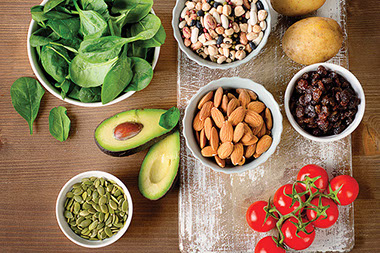
Potassium is an important mineral that the body needs for various functions. But many people don’t get enough potassium in their diet. And people who take certain diuretic medicines may have low levels, too.
Why do I need potassium?
When potassium levels are low, a person may have:
* High blood pressure and stroke: Low potassium raises the risk of having high blood pressure, especially when a person eats high amounts of salt (sodium). High blood pressure is a major risk factor for heart attack and stroke.
* Kidney stones: Low potassium levels can take calcium out of the bones. This causes calcium to come out in the urine, which can lead to kidney stones. Kidney stones can be painful and sometimes require procedures or surgery to remove.
* Bone weakness: Potassium strengthens bones. Without it, bones may be weaker and more likely to break.
* Muscle weakness
* Heart rhythm problems, known as arrhythmias
Food sources of potassium
A healthy diet can help you get the right amount of potassium. These foods are good sources:
* Leafy greens, such as spinach and kale
* Vegetables like peas, cucumbers, squash and broccoli
* Root vegetables, such as potatoes, sweet potatoes and carrots
* Fruit from vines, such as raspberries, grapes and blackberries
* Citrus fruits, such as oranges and grapefruit
* Fruits, such as dried apricots, melon, raisins and bananas
* Legumes, such as beans and lentils
* Milk and yogurt
* Meats, poultry and fish
How much potassium you need
It’s usually best to get your potassium through a healthy diet. Don’t take potassium supplements unless your doctor recommends it. Most people need 2,600-3,400 milligrams (mg) of potassium every day.
People who have chronic kidney disease may need to lower their potassium intake. This is because the kidneys help get rid of excess potassium. Ask your doctor about your potassium intake if you have kidney disease.
Most people can get a proper balance of potassium and other minerals through their diet. Ask your doctor before making any major diet changes.
Sources: National Institutes of Health, U.S. National Library of Medicine
© American Institute for Preventive Medicine