HEALTHY EATING
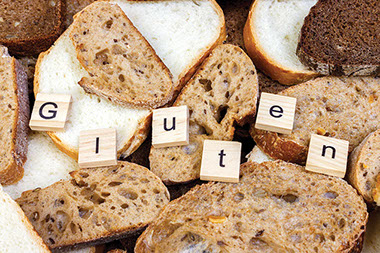
If you’ve seen the term “gluten-free” on food items and at restaurants, you may be wondering if you should be avoiding gluten.
Gluten is a protein found in wheat, rye and barley. Many breads, pastas and cereals contain gluten. But, other products you wouldn’t suspect also have gluten like sauces, beer and malt beverages, and pre-seasoned meats.
Most people can eat gluten without any problems. But, people who have celiac disease have an immune system reaction to gluten. When they eat gluten, the immune system attacks the small intestine. This causes damage to the intestine, and it can’t work like it’s supposed to. This means the body can’t absorb the nutrients it needs.
Symptoms of celiac disease
In babies and children:
* Stomach aches, bloating, constipation, vomiting and/or diarrhea
* Foul-smelling or pale-colored stools
* Lack of proper weight gain
* Fatigue
* Being irritable or having behavior problems
* Attention deficit hyperactivity disorder (ADHD)
* Short stature
* Damage to tooth enamel
In adults:
* Diarrhea or constipation
* Bone or joint pain
* Fatigue and weight loss
* Irregular menstrual periods
* Itchy, blistery skin rash
* Anxiety, depression or mood changes
* Bone loss (osteoporosis)
* Iron-deficiency anemia
A mysterious condition
To add to the confusion, celiac disease may come on unexpectedly. Some people have celiac disease for a while without symptoms. Then, something triggers the immune response and symptoms appear.
To find out if someone has celiac disease, doctors usually do a blood test. If the blood test shows celiac disease as a possibility, another test must be done to confirm it. This is usually a biopsy (taking a small sample) of the inside of the intestine. If you are getting a blood test, don’t stop eating gluten beforehand. If you do, the test may not show an accurate result.
Treatment for celiac disease
People with celiac disease must follow a strict gluten-free diet for life. They will have to read food labels and get to know which foods may have gluten.
People who are newly diagnosed with celiac disease should work with a doctor and/or dietitian to learn how they can avoid eating and drinking all gluten-containing foods and beverages.
Non-celiac gluten sensitivity
Some people have health problems when they eat gluten but do not test positive for celiac disease. They find that when they stop eating gluten, the problems go away. This is known as non-celiac gluten/wheat sensitivity (NCGS).
If you don’t have celiac disease or NCGS, experts say you should not avoid gluten. Gluten can be part of a healthy diet and eating “gluten-free” doesn’t mean it’s healthier for you.
Sources: American Academy of Family Physicians, Celiac Disease Foundation, National Institute of Diabetes and Digestive and Kidney Diseases
© American Institute for Preventive Medicine