SELF-CARE CORNER
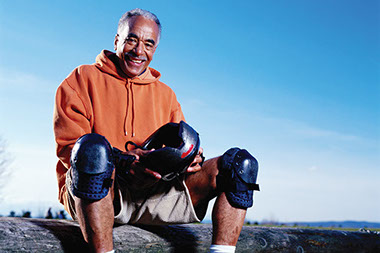
Although many athletes understand the importance of keeping their muscles and bones healthy, it’s also important for them to take care of their skin. Sports equipment, especially protective helmets and pads, creates a warm, moist and dark environment for the germs that can cause skin infections to grow.
“Athletes are at an increased risk of skin infection, which can have serious consequences and may take them-and their teammates-out of the game for days, weeks or months,” said dermatologist Jeffrey V. Benabio. “If athletes notice anything on their skin that itches, burns or may be infected, they should see a board-certified dermatologist or sports medicine doctor.”
To help prevent skin infections, Dr. Benabio recommends that coaches, athletes, and athletic trainers follow these tips:
* Keep cuts and scrapes clean and covered with a bandage until healed. A cut or scrape weakens the skin’s defense and allows germs that cause infections to enter.
* Prevent blisters to reduce infections. Apply a pad, gel or spray to areas that routinely blister. To help prevent blisters on the feet, ankles and hands, consider using specialized gloves and socks or wearing two pairs of socks. Athletes should also make sure that their footwear fits properly.
* Wear moisture-wicking clothes. This helps keep the athlete’s skin dry and prevents germs from growing.
* Wear sandals in the locker room. Wearing sandals or other shoes helps reduce infections on the feet.
* Shower after every practice and game. In addition, athletes should use an antimicrobial soap and wash their entire body.
* Do not share personal care items. Athletes should always use a clean towel after showering and use their own towels, soaps, razors and other personal care items.
* Wash clothes and towels after each use. Sports bags should also be washed, as germs that cause infections can remain in the bags and grow.
* Disinfect equipment, including protective gear, daily. For proper disinfection, follow the manufacturers’ instructions.
* Perform regular skin checks. Athletes should check their skin daily, especially those in high-risk sports, such as wrestling. Look for any changes, such as cuts, sores, redness, swelling and pus, and report any changes to an athletic trainer or doctor.

© American Institute for Preventive Medicine