Tag: action

  • Stages Of Change 2

    Healthylife® QuitWell™

    Part 1

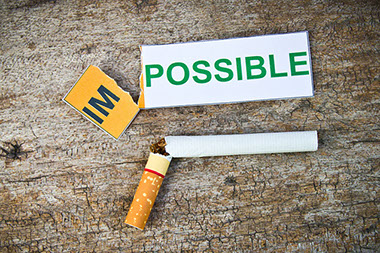
    Broken cigarette with a paper ripped to spell Possible from Impossible.

    This program does not assume you are ready to change. Or, you may be ready to make certain changes but not others. Other changes you may not have even thought of yet! The tools and strategies in this guide are designed to help you move forward through the stages of change.

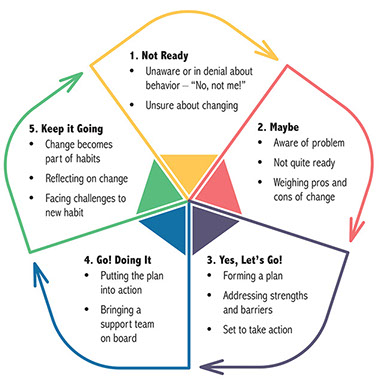
    Using the diagram below, consider which stage you are at. What best describes where you are at today?

    Diagram showing the different stages of quitting.

    © American Institute for Preventive Medicine

  • Take Control Of Your Health

    General Health Conditions

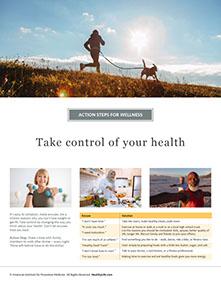
    Man jogging with his dog.

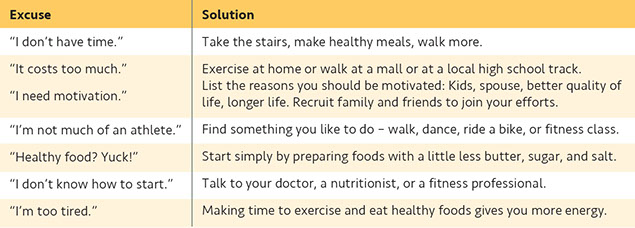
    It’s easy to complain, make excuses, list a million reasons why you can’t lose weight or get fit. Take control by changing the way you think about your health. Don’t let excuses hold you back.

    Action Step:Make a date with family members to walk after dinner – every night. Those left behind have to do the dishes.

    Health at Home Lifetime book by the American Institute for Preventive Medicine. www.HealthyLife.com. All rights reserved.

    © American Institute for Preventive Medicine

  • Stages Of Change

    Healthylife® Weigh

    Part 1

    Man expressing his success to lose weight.

    This guide does not assume you are ready to change. Or, you may be ready to make certain changes but not others. Other changes you may not have even thought of yet! The tools and strategies in this guide are designed to help you move forward through the stages of change. Using the diagram below, consider which stage you are at.

    1. Not Ready

    *  Unaware or in denial about behavior – “No, not me!”

    *  Unsure about changing

    2. Maybe

    *  Aware of problem

    *  Not quite ready

    *  Weighing pros and cons of change

    3. Yes, Let’s Go!

    *  Forming a plan

    *  Addressing strengths and barriers

    *  Set to take action

    4. Go! Doing It

    *  Putting the plan into action

    *  Bringing champions on board

    5. Keep it Going

    *  Change becomes part of habits

    *  Reflecting on change

    *  Facing challenges to new habit

    © American Institute for Preventive Medicine

  • What Are You Waiting For?

    Healthylife® Weigh

    Part 5

    Healthy salad, fitness weights, and tape measure.

    “I will start eating healthier foods when my spouse decides to also change.”

    This exact scenanio may not apply to you. However, perhaps you are also putting off making a change. Complete each statement with excuses you catch yourself making.

    *  I will start a daily exercise routine when…

    *  I will start eating breakfast when…

    *  I will meet my daily recommendation for vegetables when…

    *  I will drink enough water every day when…

    Reflect. What did you write after “when” in the prompts above? Does “I” come first? Or, does another person or thing?

    © American Institute for Preventive Medicine

  • Turn Awareness Into Action

    WELL-BEING

    Image of 2 women holding a sign with the word "Prevent" written.

    Breast cancer screening guidelines vary with different health groups. The U.S. Preventive Service Task Force advises women ages  50-74 to get a mammogram every 2 years.

    Women ages 40-49 and 74+ should discuss their breast cancer risk and the pros and cons of breast cancer screening with their doctors or health care providers. Women at a high risk for breast cancer should seek expert medical advice about breast cancer screening and prevention.

    Many women can survive breast cancer if it’s found and treated early.

    Your doctor can help you decide if you should take medication to help prevent breast cancer and if you should seek genetic counseling.

    Even though you cannot control breast cancer risk factors such as aging and inheriting certain breast cancer gene mutations, you can take action to help prevent breast cancer.

    *  If you have babies, breast-feed them.

    *  Talk to your doctor about the risks and benefits of taking hormone therapy using estrogen and progestin for menopausal symptoms. Taking both estrogen and progestin for more than five years increases breast cancer risk.

    *  Lose weight if you are overweight, especially if you have reached menopause.

    *  Limit alcohol. The more alcohol you drink, the greater the risk.

    *  Be physically active. Strenuous exercise for more than four hours a week may help lower breast cancer risk.
    © American Institute for Preventive Medicine