
Tag: alcohol

  • Talking To Teens About Alcohol

    FAMILY LIFE

    Image of mother talking to her teen daughter.

    It’s not always easy, but it’s important to talk to your teenage children about the dangers of underage drinking. It can result in violence, sexual assault, brain development problems and even serious injury or death.

    According to the National Institute on Alcohol Abuse and Alcoholism, 35 percent of 15-year-olds have had at least one drink in their lives. Even if your child has never tried alcohol, many teens deal with peer pressure and need to know how to say no. Talking with your child may help prepare them to deal with these situations.

    The National Institutes of Health recommends the following tips for talking with your teen about drinking:

    *  Have open conversations about alcohol. Remain calm and answer questions honestly.

    *  Anytime the subject of alcohol comes up, use it as a chance to talk about it again. The message to avoid alcohol needs to be repeated.

    *  Tell your child about the dangers of alcohol. These include harming the body and brain and putting them in dangerous situations. Tell them underage drinking is against the law.

    *  Try “what if” situations. Ask them, “What if James asks you to try just a sip of beer?” Have them practice their response.

    *  Stress they should never get in a car with a person who has been drinking, even if they “just had one drink.” Alcohol affects teens differently than adults.

    © American Institute for Preventive Medicine
  • The Buzz About Alcohol

    WELL-BEING

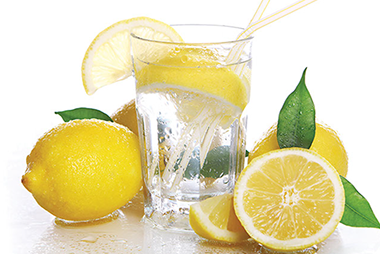
    Image of lemon water.

    Drinking at social events or bars and the ease that a little buzz provides make it hard to limit yourself when friends gather around a pitcher of beer. Dennis Donovan, director of the Alcohol and Drug Abuse Institute at the University of Washington, has advice for how to drink moderately-or not at all.

    *Count your drinks.In many cases, people lose track of how much they’ve had. This is especially true when sharing a pitcher of beer and someone refills the glass.

    *Know a standard serving size.Large wine glasses, higher alcohol content in some beers, and generous liquor pours in mixed drinks make the “I only had one!” claim questionable.

    *One drink, one hour.Most people’s bodies can process about one drink per hour. Pace yourself to one drink an hour or so, and every hour or two you might take a drink “off” and have water or another non-alcoholic beverage instead. Also, make sure to eat.

    *Ginger ale looks like a cocktail.Teetotalers not wanting to attract attention or questions can stick to ginger ale or other non-alcoholic drinks that look like cocktails.

    *Say no.Firmly, confidently turn down drinks and become resistant to social pressure and arm-twisting. Practice saying: “No, I’ve reached my limit” or “I’m not drinking tonight.”

    © American Institute for Preventive Medicine

  • Wine Confusion: Healthy Or Not?

    MEDICAL NEWS

    Image of a wine bottle with 2 glasses of wine and grapes.

    Wine has been making the headlines in recent months as a “healthy” choice. Some studies suggest the compounds and antioxidants in wine can reduce your risk of heart disease, cancer, and more.

    This can be confusing if you’ve been told that alcohol isn’t good for you. Should you drink wine to get healthier, or skip it?

    There is no perfect answer for everyone. It’s important to note that these studies are promising, but they’re not enough to say that wine is a healthy choice. Many of these studies were done in labs, on mice, or were done with supplements instead of real wine. And for some, the possible benefits of wine wouldn’t be worth the risk. Wine is also high in calories and sugar. This can add to obesity and affect blood sugar, especially in diabetics. In addition, wine and alcohol can interact with certain medicines.

    Many people can enjoy alcohol in  small amounts without problems. But if you have a history of alcoholism or your doctor has told you not to drink, you should not drink wine or any alcoholic beverage.

    The Centers for Disease Control and Prevention (CDC) says that drinking too much alcohol, even wine, can harm your health. So if you decide to drink, be sure you do it in moderation.

    So what is “moderation”? According to the Dietary Guidelines for Americans, moderation is up to one drink per day for women and up to two drinks per day for men-and only by adults of legal drinking age.

    The bottom line:

    If you already have a drink once in a while, switching to red wine may be healthier than other choices such as beer or spirits. But the health benefits of red wine are not fully understood. So, experts do not recommend it as a daily drink for everyone.

    © American Institute for Preventive Medicine