Tag: allergy

  • Nuts & Allergies

    HEALTHY EATING

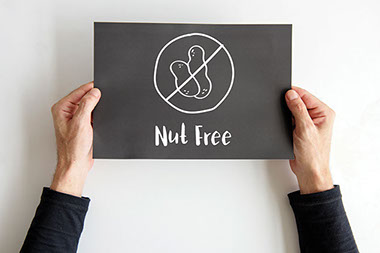
    Image of hands holding sign that says "Nut Free".

    Food allergies affect millions of people. With a food allergy, the immune system reacts to the food like it’s an invader. It may cause swelling, trouble breathing, hives and itching.

    Nut allergy dangers

    Nut allergies can be life-threatening.

    A person who is allergic to nuts could have a reaction from being near someone eating nuts. Even a tiny crumb of nuts left on a table could be life-threatening. This is why many schools do not allow nuts in classrooms or lunchrooms.

    If you or your family member has a nut allergy, you can still enjoy some nut alternatives. They can be just as delicious – and nutritious – as nuts.

    Nut alternatives

    Nuts contain plant-based protein, healthy fats and some vitamins and minerals. If you can’t eat nuts, don’t worry. There are other foods with these benefits!

    *Legumes:Soybeans, peas, lentils and chickpeas are legumes. They can be roasted as a snack or in salads. Some people are allergic to some types of legumes, however. Be sure to ask about legume allergies before using them for passing dishes or at school.

    *Seeds:There are so many kinds to choose from, like sunflower, pumpkin, chia, flax and hemp. They go well with salads, in smoothies or as a snack.

    *Avocadoes:Although not a significant source of protein, avocadoes are rich in healthy fats, B vitamins, potassium and magnesium. Avocadoes can go on many foods, from toast to salads to  stir-frys.

    Nut-Free butter Options

    Many nut-free butters make a great sandwich or spread for fruit. They taste a lot like peanut butter but without the peanuts.

    Today’s nut-free butters may contain soybeans, sunflower seeds, chickpeas or peas. These can all be healthy alternatives to nuts. Most contain some healthy fats and protein. Check the label for added salt or sugar.

    The Bottom Line

    Nuts are a healthy choice – and there are allergy-free options available. If you have an allergy to nuts, read all food labels. Look at allergen information and ingredients to stay safe.

    © American Institute for Preventive Medicine
  • Allergies

    General Health Conditions

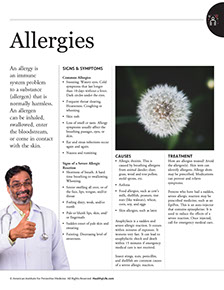
    An allergy is an immune system problem to a substance (allergen) that is normally harmless. An allergen can be inhaled, swallowed, or come in contact with the skin.

    Signs & Symptoms

    For Common Allergies

    *  Sneezing. Watery eyes. Cold symptoms that last longer than 10 days without a fever. Dark circles under the eyes.

    *  Frequent throat clearing. Hoarseness. Coughing or wheezing.

    *  Skin rash.

    *  Loss of smell or taste.

    *  Ear and sinus infections occur again and again.

    Signs of a Severe Allergic Reaction

    *  Shortness of breath. A hard time breathing or swallowing. Wheezing.

    *  Severe swelling all over, or of the face, lips, tongue, and/or throat.

    *  Feeling dizzy, weak, and/or numb.

    *  Pale or bluish lips, skin, and/or fingernails.

    *  Cool, moist skin or sudden onset of pale skin and sweating.

    *  Fainting. Decreasing level of awareness.

    Causes

    *  Allergic rhinitis. This is caused by breathing allergens from animal dander; dust; grass, weed and tree pollen; mold spores, etc.

    *  Asthma.

    *  Food allergies. Common ones are milk, fish, nuts, wheat, corn, and eggs.

    *  Skin allergies.

    Anaphylaxis is a sudden and severe allergic reaction. It occurs within minutes of exposure. It worsens very fast. It can lead to anaphylactic shock and death within 15 minutes if emergency medical care is not received.

    Insect stings, nuts, penicillin, and shellfish are common causes of a severe allergic reaction.

    Treatment

    How are allergies treated? Avoid the allergen(s). Skin tests can identify allergens. Allergy shots may be prescribed. Medications can prevent and relieve symptoms. Persons who have had a sudden, severe allergic reaction may be prescribed medicine, such as an EpiPen. This is used for a severe reaction before getting emergency medical care.

    Questions to Ask

    Self-Care / Prevention

    For a Severe Allergic Reaction

    *  Take prescribed medicine, such as an EpiPen, as advised. Then get emergency care!

    *  Wear a medical ID alert tag for things that cause a severe allergic reaction.

    *  Avoid things you are allergic to.

    For Other Allergic Reactions

    *  If mild symptoms occur after you take a medicine, call your doctor for advice.

    *  For hives and itching, take an OTC antihistamine, such as Benadryl. Take it as prescribed by your doctor or as directed on the label.

    *  Don’t use hot water for baths, showers, or to wash rash areas. Heat worsens most rashes and makes them itch more.

    *  For itching, use an oatmeal bath or calamine (not Caladryl) lotion. You can also use a paste made with 3 teaspoons of baking soda and 1 teaspoon of water.

    *  Avoid things you are allergic to.

    *  Read food labels. Don’t eat foods that have things you are allergic to. When you eat out, find out if menu items have things you are allergic to before you order them.

    Resources

    Asthma and Allergy Foundation of America 800.7.ASTHMA (727.8462)

    www.aafa.org

    Healthier at Home book by the American Institute for Preventive Medicine. www.HealthyLife.com. All rights reserved.

    © American Institute for Preventive Medicine
  • Hay Fever

    Ear, Nose & Throat Conditions

    Image of man blowing nose with tissue.

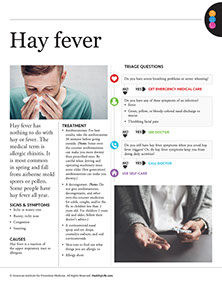
    Hay fever has nothing to do with hay or fever. The medical term for hay fever is allergic rhinitis. It is most common in spring and fall when a lot of ragweed is in the air. Some people have hay fever all year, though.

    Signs & Symptoms

    *  Itchy or watery eyes.

    *  Runny, itchy nose.

    *  Congestion.

    *  Sneezing.

    Causes

    Hay fever is a reaction of the upper respiratory tract to allergens.

    Treatment

    Talk to your doctor if self-care measures do not help. He or she may prescribe:

    *  Antihistamines. For best results, take the antihistamine 30 minutes before going outside. {Note: Some over-the-counter antihistamines can make you more drowsy than prescribed ones. Be careful when driving and operating machinery since some antihistamines can make you drowsy.}

    *  A decongestant. {Note: Do not give antihistamines, decongestants, and other over-the-counter medicines for colds, coughs, and/or the flu to children less than 2 years old. For children 2 years old and older, follow their doctor’s advice.

    *  A corticosteroid nasal spray and eye drops, cromolyn sodium, and oral corticosteroids.

    *  Skin tests to find out what things you are allergic to.

    *  Allergy shots.

    It is best to take what your doctor advises instead of testing over-the-counter products on your own.

    Questions to Ask

    Self-Care / Prevention

    *  If you are allergic to pollen and molds, let someone else do outside chores. Mowing the lawn or raking leaves can make you very sick.

    *  Keep windows and doors shut and stay inside when the pollen count or humidity is high. Early morning is sometimes the worst.

    *  Avoid tobacco smoke and other air pollutants.

    *  Don’t have pets. If you have a pet, keep it out of the bedroom. When you can, keep the pet outdoors.

    *  Use an air conditioner or air cleaner in your house, especially in the bedroom. Electronic air filters are better than mechanical ones. Clean the filter often. Or, try a doctor-approved air purifier, especially in the bedroom. Devices with HEPA filters can be very effective in cleaning indoor air.

    To limit dust, mold, and pollen:

    *  Put a plastic cover on your mattress or cover it completely with an allergen-free mattress cover.

    *  Sleep with no pillow or with the kind your doctor or health care provider recommends. If you use a pillow, cover it with an allergen-free cover.

    *  Don’t dry sheets and blankets outside.

    *  Try not to have stuffed animals kept in the bedroom. If you must, have only one that can be washed. Wash it in hot water once a week.

    *  Use curtains and rugs that can be washed often. Don’t use carpeting.

    *  Dust and vacuum often. Wear a dust filter mask when you do.

    *  Put an electronic air filter on your furnace or use portable air purifiers.

    *  Shower or bathe and wash your hair after heavy exposure to pollen, dust, etc.

    Resources

    Asthma and Allergy Foundation of America

    800.7.ASTHMA (727.8462)

    www.aafa.org

    Healthier at Home book by the American Institute for Preventive Medicine. www.HealthyLife.com. All rights reserved.

    © American Institute for Preventive Medicine
  • Allergy Or Asthma? Know The Difference

    SELF-CARE CORNER

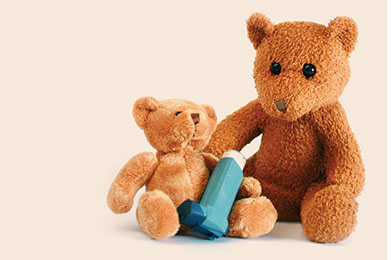
    Image of 2 teddy bears next to an asthma inhaler.

    Allergies are caused by an over-reaction of the immune system to certain substances (called allergens) in the air (pollen, dust mites, for example), eaten (such as peanuts or shrimp), injected (like a bee sting or certain medicines), or touched (poison ivy or latex are good examples), according to the Asthma and Allergy Foundation of America.

    Symptoms of an allergy may be some or all of these:

    *  Sneezing

    *  Runny nose (clear discharge)

    *  Itchy nose or throat

    *  Coughing

    *  Skin rashes or hives

    Asthma occurs when airways become temporarily blocked or narrowed because of exposure to allergens, irritants, strenuous exercise, anxiety, or other triggers. If an asthma attack is severe, a person may need emergency treatment.

    Asthma symptoms can include some or all of these:

    *  Sudden shortness of breath

    *  Difficulty breathing

    *  Tight chest

    *  Wheezing or coughing

    © American Institute for Preventive Medicine
  • Avoiding Chemicals In The Home

    SELF-CARE CORNER

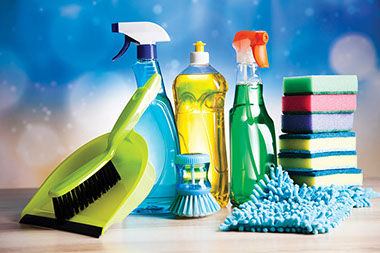
    Image of variety of cleaning supplies.

    Many common household items contain chemicals. Not all chemicals are bad for your health, but some can be harmful. To keep yourself and your family healthy, it’s best to take steps to reduce or avoid chemicals that could be unsafe.

    Did you know possible toxic substances can be found in cleaning products, furniture, carpet and shower curtains? Here’s how to avoid unsafe levels of toxins:

    *Read labels carefully.Many cleaning products have warnings and directions for how to use them. Follow these carefully. For instance, if it says, “use in a well-ventilated area,” you should be sure to open a window to the outside.

    *Be aware of odors.If something gives you a headache, sore throat or makes you cough, this may be a sign that you shouldn’t use it anymore.

    *Protect your skin.Wear gloves when using cleaning products and wash your hands after cleaning. Don’t let children use products with any chemicals in them like bleach, ammonia or strong cleaning ingredients.

    *Get checked for lead.If you live in a home built before 1980, ask your local health department how you can get your home and water checked for lead. You can’t see, smell or taste lead. Lead is harmful to the brain and affects children’s development. Find out if your home is at risk and take steps to get it removed, if needed.

    *Avoid pesticides whenever possible.Contact professional pest control companies for insect problems.

    *Choose fragrance-free products when possible.Many fragrances contain chemicals that disrupt hormone functions in the body. Also, some people are sensitive to fragrances.

    *Replace old nonstick pans that look worn or scratched.They may contain chemicals that can get into your food.

    *Look for cleaning products that have the Environmental Protection Agency’s “Safer Choice” label.For more information, visitwww.epa.gov/saferchoice/products.

    If someone in your home may have ingested a poisonous product, call The American Association of Poison Control Centers at (800) 222-1222.

    Remove dust for a healthier home

    Did you know household dust often contains chemicals and toxins from your home? A good way to reduce your exposure to them is to keep dust down. Try these tips:

    *  Choose non-toxic or “Safer Choice” cleaning products. White vinegar is an effective non-toxic cleaner for many surfaces.

    *  Use a damp rag without chemicals to dust.

    *  Clean floors with a damp mop or a steam-only mop.

    *  Vacuum floors regularly and use a vacuum with a high efficiency particulate air (HEPA) filter.

    *  Open windows to bring in fresh air whenever possible.

    *  Change furnace and air filters regularly.

    *  Wash hands often.

    Source: National Institutes of Health, Environmental Protection Agency

    © American Institute for Preventive Medicine
  • Cold, Flu, Or Allergy?

    SELF-CARE CORNER

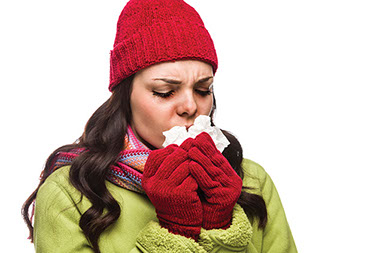
    Image of young women dressed warmly coughing into a tissue.

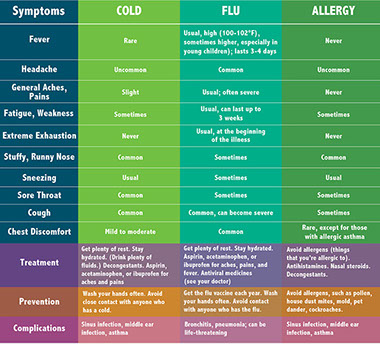
    You’re feeling pretty lousy. You’ve got sniffles, sneezing, and a sore throat. Is it a cold, flu, or allergies? It can be hard to tell them apart because they share so many symptoms. But understanding the differences will help you choose the best treatment, advises the NIH News in Health.

    Chart showing symptoms of a cold vs the flu vs an allergy.

    © American Institute for Preventive Medicine

  • Keeping Asthma Under Control

    SELF-CARE CORNER

    Image on women holding an inhaler.

    According to the CDC, 25 million Americans have asthma today, including 10 percent of all children. Although it’s common, it should not be taken lightly. Asthma can severely affect quality of life, and can be deadly.

    Asthma attacks occur when a person with asthma comes into contact with an asthma “trigger.” A trigger causes inflammation and narrowing of your lungs’ airways. This can lead to coughing, wheezing and can limit or even prevent breathing. Asthma attacks require rescue medicines and can be a medical emergency.

    If you or your child has asthma, the most important thing you can do is keep it under control to avoid attacks. The keys to good asthma control are to:

    Have regular asthma checkups with your doctor.

    Working with your doctor to develop an asthma action plan plays a key role in good asthma control. Keep a diary of your asthma triggers and symptoms such as wheezing, coughing and shortness of breath. Discuss these with your doctor to find better ways to control your asthma. The goal is to minimize asthma attacks and take medicines, as needed.

    Use your asthma control medicines as prescribed.

    Control medicines are taken regularly, usually every day. These medicines help you avoid an asthma attack by minimizing inflammation. They do not help during an asthma attack.

    Know your asthma triggers and avoid them.

    Each person’s asthma triggers are different. They may include irritants, like cigarette smoke or chemical fumes, or they may be allergens such as dust, mold or pollen. You and your doctor should discuss your asthma triggers and how they can be avoided.

    © American Institute for Preventive Medicine
  • Latex Allergy

    MEDICAL NEWS

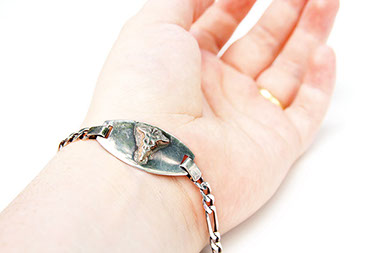
    Close up image of a medical ID.

    If you are allergic to latex, you usually know it. You can react with sneezing or worse symptoms because your body is reacting to proteins in natural rubber latex, which is made from the rubber tree.

    The Asthma and Allergy Foundation of America suggests you do this:

    *  Always wear a medical ID that alerts others about your allergy if you need emergency care.

    *  Ask doctors, dentists, and others who examine you to wear latex-free exam gloves. Carry gloves with you to give your dentist or doctor.

    *  Check labeling. Do not assume a product labeled “hypoallergenic” is latex-free.

    *  Know that latex can be found in some elastic in clothing, rubber bands, condoms, balloons, disposable diapers, and many more products.

    *  If you’re allergic to latex, you may have reactions to bananas, kiwi, and cantaloupe, which contain some of the same allergens found in latex.

    © American Institute for Preventive Medicine

  • Ragweed

    WELL-BEING

    Image of ragweed.

    Maybe you’ve never been allergic to ragweed. You may not be miserable at the end of summer during ragweed season like a lot of other people.

    But even if you’ve never had a problem with seasonal hay fever caused by ragweed, don’t assume that runny nose and itchy eyes are caused by a cold.

    The truth, according to the American College of Allergy, Asthma and Immunology, is that anyone can develop an allergy-including an allergy to ragweed-later in life.

    Scientists think it may be you’ve always had the allergy, but it might have taken exposure to another allergen to trigger your symptoms. If symptoms won’t go away, lasting more than 2 weeks, you probably have allergies.

    Common allergy symptoms include itchy eyes and nose, as well as sneezing, but the mucus is typically clear.

    You’ll want to talk with your doctor first about over-the-counter medications to try to relieve those annoying symptoms.

    © American Institute for Preventive Medicine