Tag: alopecia

  • Disappearing Hair: Know About Alopecia

    SELF-CARE CORNER

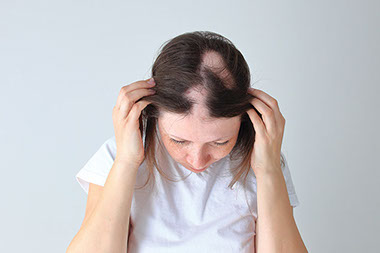
    Women showing hair loss.

    Hair loss is a normal part of life and aging. The average person loses 100 strands of hair from their scalp every day. Usually, these hairs grow back as part of a hair follicle’s lifecycle.

    However, as people get older, hair loss usually outpaces hair regrowth. In addition, some people may be susceptible to losing their hair early in life.

    Alopecia, another name for hair loss, can be frustrating, embarrassing, and tough to manage. But, there may be options available to slow, halt, or reduce the appearance of thinning hair.

    Causes of alopecia

    There are many different types of alopecia, each with a different cause.

    For example, androgenetic alopecia, commonly known as pattern baldness, is linked to your genetics. If your dad or mom experienced pattern baldness, the likelihood is you will too.

    Other causes include:

    *  Aging

    *  Genetics

    *  Hormones

    *  Stress

    *  Thyroid dysfunction

    *  Medications

    *  Chemical hair treatments

    *  Autoimmune reactions

    Treatment options

    The best way to manage hair loss depends on the cause. While some forms of alopecia may be slowed or halted, others are irreversible. Your medical doctor or dermatologist is your best resource when exploring treatments for alopecia.

    Options may include:

    *  Topical medications or shampoos

    *  Oral medications

    *  Corticosteroid injections

    *  Hair transplant

    *  Wigs or hairpieces

    Caring for your hair

    How you treat your hair may contribute to alopecia in some cases. The better care you take of the hair you have, the healthier it will be.

    *  Use a gentle shampoo that won’t remove moisture from your hair.

    *  Apply conditioner after every shampoo.

    *  Limit how long and how often you blow-dry your hair.

    *  Avoid wearing your hair in a tight bun, ponytail, or braid.

    *  Brush or comb your hair gently. Avoid tugging.

    If you are dealing with alopecia, talk to your doctor to find out the cause and discuss the best treatment options for you.
    © American Institute for Preventive Medicine

  • Hair Loss: More Than Skin Deep

    WELL-BEING

    Image of man with thining hair.

    Hair loss is a common issue among men and women alike. The U.S. National Library of Medicine says about 50 million men and 30 million women have some degree of hair loss or baldness. Most of the time, this is due to hereditary hair loss.

    Sometimes, however, hair loss is a sign of a health problem. Hair loss can sometimes be caused by:

    *  Thyroid problems

    *  Diabetes

    *  Low iron in the blood (anemia)

    *  Prostate cancer in men

    *  High blood pressure (hypertension)

    *  Polycystic ovary syndrome (PCOS) in women

    Hair loss doesn’t always mean you have a serious illness. Sometimes hair falls out for a little while and then starts to grow back. Some of the reasons this happens include:

    *  Hair breakage from chemicals like perms and hair color

    *  Hairstyles that pull on the hair, such as tight ponytails and braids

    *  A stressful event, such as a death in the family

    *  Stress on the body from major surgery, childbirth or some illnesses

    *  Brushing hair too hard or too often

    *  Some prescription medicines, including those for arthritis, cancer, depression, gout, heart disease and high blood pressure

    *  Hormone changes, such as during pregnancy or menopause

    If you notice sudden hair loss, it’s important to find out the cause. If you notice large amounts of hair falling out when combing or washing your hair, or thinning or bald spots, make an appointment with your doctor.

    Common hair loss treatments

    Knowing the cause of your hair loss is the first step to treatment. For instance, if iron levels are low, your doctor may recommend an iron supplement. Treatments for common hereditary hair loss include:

    *  Topical minoxidil (brand name Rogaine, which can be purchased in stores)

    *  Finasteride (prescription medicine for men only)

    *  Topical or oral estrogen or other hormones (prescription for women only)

    *  Hair transplant surgery

    Source: American Academy of Dermatology

    © American Institute for Preventive Medicine