Tag: alternatives

  • Limit Artificial Sweeteners

    Healthylife® Weigh

    Part 3
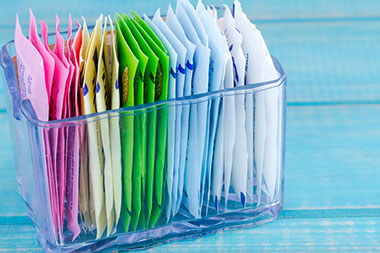
    Packets of artificial sweeteners in glass container.

    Artificial sweeteners give a sweet taste without adding the calories you get with sugar. They don’t contribute to tooth decay and don’t raise blood sugar levels. However, consuming these sugar substitutes can have significant drawbacks. They may:

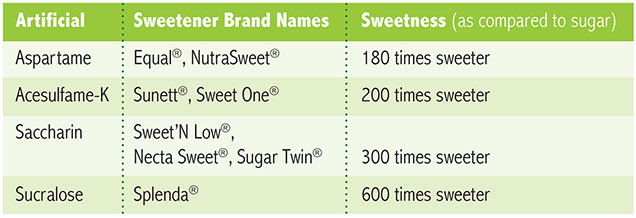
    1. Raise your sweetness threshold. This can make it harder to break a sugar “addiction.” Artificial sweeteners are hundreds of times sweeter than regular sugar. This may cause you to crave sweeter foods.
    2. Cause you to eat more. Eating and drinking sweet things signals the brain to want more. Even if the artificial sweetener doesn’t have any calories, it can lead to overeating and consuming extra foods that do.

    3. Cause discomfort. This can be headaches, exhaustion, and digestive discomfort, including gas, bloating, and constipation.

    4. Harm your gut bacteria. Artificial sweeteners may promote the growth of gut bacteria that store energy as fat. Gut bacteria that is not working properly also contributes to high blood sugar.

    Stevia (Truvia®, Pure Via®) is a non-caloric sweetener made from an herb. It has not been studied as much as artificial sweeteners, but it is still super sweet (300 times sweeter than sugar) and may cause digestive discomfort for some people.

    Sugar Alcohols (e.g., xylitol, sorbitol) are not sweeter than sugar and contain fewer calories than sugar. However, they may also cause digestive discomfort and headaches for some people.
    © American Institute for Preventive Medicine
  • Easy Snack Substitutions

    HEALTHY EATING

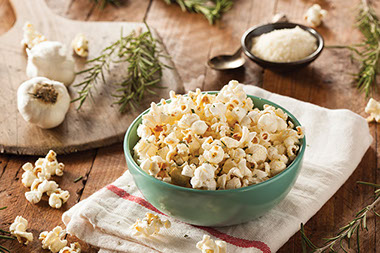
    Image of popcorn in a bowl.

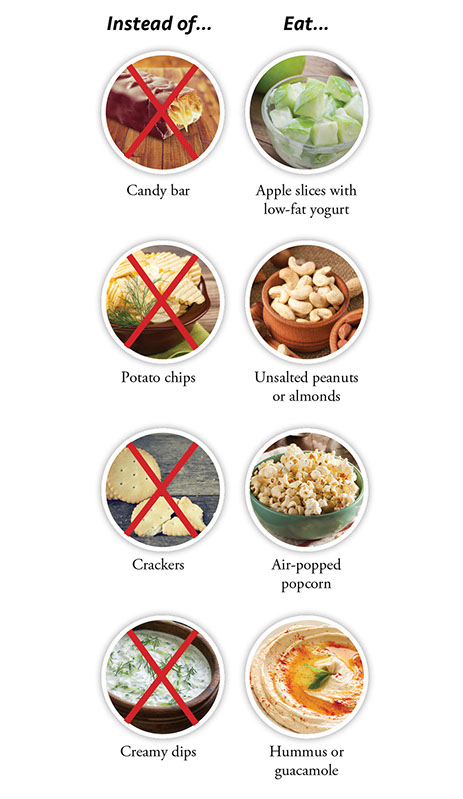
    Skip the vending machine and processed foods when you need to fill up between meals. Try these alternatives to everyday unhealthy snacks:

    © American Institute for Preventive Medicine
  • Easy Ways To Cut Back On Sugar

    HEALTHY EATING

    Image of sugar spilled out on a table with the words "Sugar Free" spelled out.

    Lowering your sugar intake doesn’t have to be a struggle. Here are some tips:

    *  Keep your favorite fresh fruits ready-to-eat in the fridge or at work. Reach for these when you have a sugar craving.

    *  Get candy and sweet treats out of the house. Avoid vending machines at work. Out of sight, out of mind.

    *  Be selective about treats. Allow yourself a slice of grandma’s pumpkin pie if you really want it. Just make it a small piece and an occasional treat, not an  everyday habit.

    *  Drink water with lemon instead of soda, sports drinks, or juice. Or, make your own fruit water by putting your favorite fresh or frozen fruits in a large bottle, and fill the rest with ice water.

    *  Make a gradual change. Don’t try to cut out all sugar at once. Instead, try cutting a little here, and a little there, to get used to less of it.

    *  Decrease the sugar in recipes. When cooking or baking, try using about half the sugar you normally would. You may not notice a difference in taste.

    © American Institute for Preventive Medicine

  • Healthier Super Bowl Snacks

    HEALTHY EATING

    Image of football.
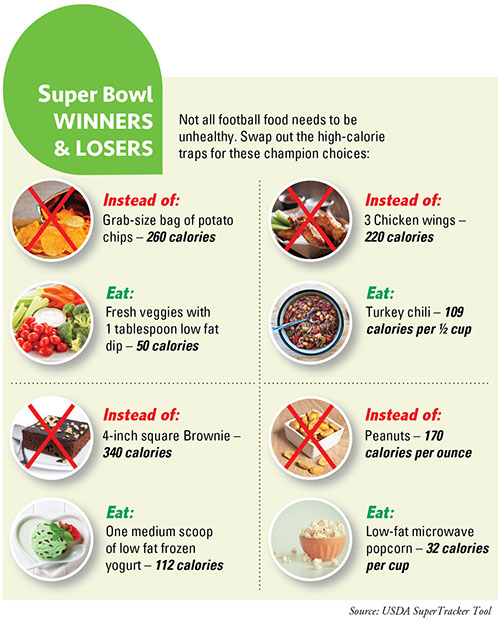
    Chart showing healthy options for super bowl snacks.

    On Super Bowl Sunday, people across the country will gather at homes, restaurants, and bars to watch the big game and enjoy game-day food. Sadly, traditional football fare tends to be high in fat and calories and low in nutrition. The Calorie Control Council says many Super Bowl fans will consume 2,000 calories or more during the game. That’s about a full day’s worth of calories in just a few hours.

    So how can you enjoy the game without the unhealthy side effects? Here are a few tips to help:

    *  Keep a zero-calorie drink like water in your hand, and sip on it throughout the day instead of snacking on food.

    *  Keep your distance from the kitchen or wherever the food is sitting out. If it’s out of sight, you’ll be less likely to mindlessly reach for snacks when you’re not hungry.

    *  If fresh fruit and veggies are available, fill your plate with those. This leaves little room for other choices.

    Be mindful of how much you’re eating, and stick to only a small serving of the high-calorie foods. If you’re cooking, take the opportunity to prepare a variety of healthy but fun choices for your guests.

    © American Institute for Preventive Medicine
  • No Family Dinner? Other Options To Try

    FAMILY LIFE

    Image of laughing family as dad feeds daughter a piece of fruit.

    Today’s families are busier than ever. Parents’ jobs, kids’ activities, social events, and homework seem to leave little time for anything else.

    Research shows that sitting down as a family for dinner is good for everyone at the table. The Family Dinner Project says sharing a family meal is good for the brains and health of all family members. But some families simply can’t make this happen every night. So what should you do? Don’t give up on finding time for each other. There are other options for family bonding that don’t need to happen at the dinner hour.

    *Consider breakfast.If everyone is home in the morning, why not take a few extra minutes to enjoy a family breakfast? It can get everyone off on the right foot.

    *Try weekend lunches.If dinner only happens once or twice a week, weekend lunches can be a great choice too. A picnic outside in the warmer months makes for a fun change of pace.

    *Think about your schedule.If you can’t get everyone together for a meal at least twice a week, consider rearranging activities or saying “no” to some commitments. The benefits of family meals together are worth the effort.

    © American Institute for Preventive Medicine