Tag: anti-inflammatory

  • Curry: A Powerhouse Spice

    HEALTHY EATING

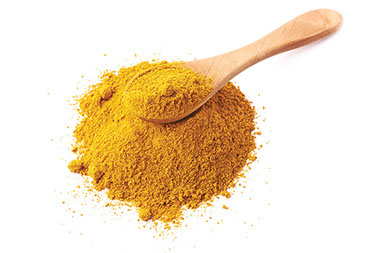
    Curry powder and wooden spoon.

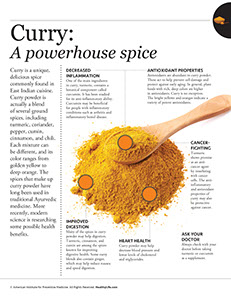
    Curry is a unique, delicious spice commonly found in East Indian cuisine. Curry powder is actually a blend of several ground spices, including turmeric, coriander, pepper, cumin, cinnamon, and chili. Each mixture can be different, and its color ranges from golden yellow to deep orange. The spices that make up curry powder have long been used in traditional Ayurvedic medicine. More recently, modern science is researching some possible health benefits.

    Decreased Inflammation

    One of the main ingredients in curry, turmeric, contains a botanical component called curcumin. It has been studied for its anti-inflammatory ability. Curcumin may be beneficial for people with inflammatory conditions such as arthritis and inflammatory bowel disease.

    Improved Digestion

    Many of the spices in curry powder may help digestion. Turmeric, cinnamon, and cumin are among the spices known for improving digestive health. Some curry blends also contain ginger, which may help reduce nausea and speed digestion.

    Antioxidant Properties

    Antioxidants are abundant in curry powder. These act to help prevent cell damage and protect against early aging. In general, plant foods with rich, deep colors are higher in antioxidants. Curry is no exception. The bright yellows and oranges indicate a variety of potent antioxidants.

    Heart Health

    Curry powder may help decrease blood pressure and lower levels of cholesterol and triglycerides.

    Cancer-Fighting

    Turmeric shows promise as an anti-cancer agent by interfering with cancer cells. The anti-inflammatory and antioxidant properties of curry may also be protective against cancer.

    Ask Your Doctor

    Always check with your doctor before taking turmeric or curcumin as a supplement.
    © American Institute for Preventive Medicine
  • Omega-3 Has Mega Benefits

    HEALTHY EATING

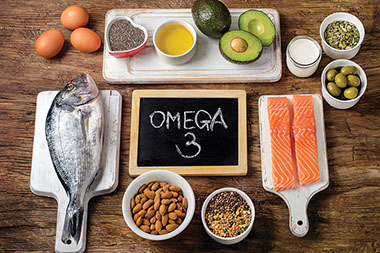
    A variety of food that contains Omega-3.

    Fatty fish like salmon have high amounts of omega-3 fats. And these fats are so healthy that they can lower the risk of stroke.

    The American Heart Association says these fats can also lower the risk of heart rhythm problems. They can also lower triglyceride levels.

    Omega-3s can help prevent the clogging of arteries. Eating two servings of salmon each week can help you get enough omega-3s in your diet.

    © American Institute for Preventive Medicine

  • Is Cinnamon Good For Your Health?

    HEALTHY EATING

    Image of cinnamon.

    Cinnamon is often used in sugar-loaded treats like cinnamon rolls and lattes. And though it’s a popular spice for desserts, it’s not necessarily an unhealthy choice. The spice has been used for thousands of years, and some recent studies suggest cinnamon may even have health benefits:

    *  A study in the journal Diabetes Care studied 60 people with type 2 diabetes. Some were given cinnamon capsules, and others were given a placebo (a fake pill that contained no cinnamon). Those who consumed the cinnamon for 40 days had lower levels of blood sugar, triglycerides, LDL (“bad”) cholesterol, and total cholesterol.

    *  A study in the Journal of Nutrition suggests that cinnamon and other spices may help reduce triglyceride levels after eating a fatty meal.

    *  The Journal of Neuroimmune Pharmacology published a study that suggests cinnamon may be able to protect the brain against changes that can cause Parkinson’s disease.

    Want to spice up your health with cinnamon? Try adding it to your favorite foods or drinks in place of sugar. Its natural flavor can be a welcome addition to coffee, tea, oatmeal, fruit, and even chili.

    High doses of cinnamon can be dangerous, though. Be sure to talk with your doctor before taking cinnamon or other natural supplement.

    © American Institute for Preventive Medicine