Tag: antioxidants

  • Cancer-Fighting Foods

    HEALTHY EATING

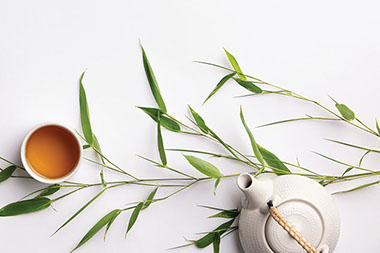
    Top view cup of tea and tea pot.

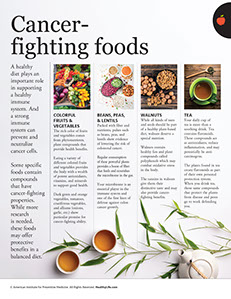
    A healthy diet plays an important role in supporting a healthy immune system. And a strong immune system can prevent and neutralize cancer cells.

    Some specific foods contain compounds that have cancer-fighting properties. While more research is needed, these foods may offer protective benefits in a balanced diet.

    Colorful fruits & vegetables

    The rich color of fruits and vegetables comes from phytonutrients, plant compounds that provide health benefits.

    Eating a variety of different colored fruits and vegetables provides the body with a wealth of potent antioxidants, vitamins, and minerals to support good health.

    Dark green and orange vegetables, tomatoes, cruciferous vegetables, and alliums (onions, garlic, etc.) show particular promise for cancer-fighting ability.

    Beans, peas, & lentils

    Packed with fiber and nutrients, pulses such as beans, peas, and lentils show evidence of lowering the risk of colorectal cancer.

    Regular consumption of these powerful plants provides a boost of fiber that feeds and nourishes the microbiome in the gut.

    Your microbiome is an essential player in the immune system and one of the first lines of defense against colon cancer growth.

    Walnuts

    While all kinds of nuts and seeds should be part of a healthy plant-based diet, walnuts deserve a special mention.

    Walnuts contain healthy fats and plant compounds called polyphenols which may combat oxidative stress in the body.

    The tannins in walnuts give them their distinctive taste and may also provide cancer-fighting benefits.

    Tea

    Your daily cup of tea is more than a soothing drink. Tea contains flavonoids. These compounds act as antioxidants, reduce inflammation, and may potentially be anti-carcinogens.

    The plants found in tea create flavonoids as part of their own personal protection system. When you drink tea, those same compounds that protect the plants from disease and pests go to work defending you.
    © American Institute for Preventive Medicine
  • Cranberries A Healthy Holiday Dish

    HEALTHY EATING

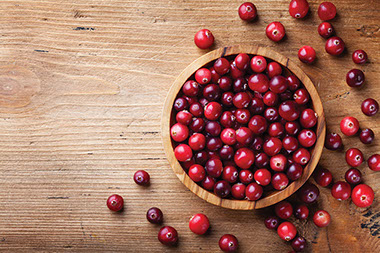
    Bowl of cranberries.

    Cranberries are a popular pairing with a juicy Thanksgiving turkey. Like other fruits, they’re nutritious and low in calories. They contain antioxidants, which can help fight disease. They’re also a good source of fiber. Here’s how to enjoy them at your holiday:

    1.  Go for fresh berries. Many cranberry dishes contain loads of added sugar. Canned cranberry sauces and jellies may also have added sugar. Save your extra calories for dessert and skip the sugar-laden jellies and sauces.

    2.  Mix fresh cranberries together with apples and pears to offset their tartness.

    3.  If they’re too tart for you, use them in savory dishes. Try making a salsa with cranberries instead of tomatoes. Or toss them on a salad with a savory dressing like balsamic vinegar.

    Source: United States Department of Agriculture

    © American Institute for Preventive Medicine
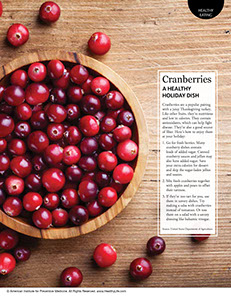
  • Diet & Fertility

    HEALTHY EATING

    Couple in kitchen cooking together.

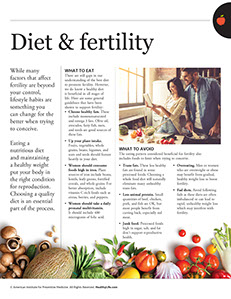
    While many factors that affect fertility are beyond your control, lifestyle habits are something you can change for the better when trying to conceive.

    Eating a nutritious diet and maintaining a healthy weight put your body in the right condition for reproduction. Choosing a quality diet is an essential part of the process.

    What to eat

    There are still gaps in our understanding of the best diet to promote fertility. However, we do know a healthy diet is beneficial in all stages of life. Here are some general guidelines that have been shown to support fertility:

    *Choose healthy fats.These include monounsaturated and omega 3 fats. Olive oil, avocados, fatty fish, nuts, and seeds are good sources of these fats.

    *Up your plant intake.Fruits, vegetables, whole grains, beans, legumes, and nuts and seeds should feature heavily in your diet.

    *Women should consume foods high in iron.Plant sources of iron include beans, lentils, leafy greens, fortified cereals, and whole grains. For better absorption, include vitamin C-rich foods such as citrus, berries, and peppers.

    *Women should take a daily prenatal multivitamin.It should include 400 micrograms of folic acid.

    What to avoid

    The eating pattern considered beneficial for fertility also includes foods to limit when trying to conceive.

    *Trans fats.These less healthy fats are found in some processed foods. Choosing a whole food diet will naturally eliminate many unhealthy trans fats.

    *Less animal protein.Small quantities of beef, chicken, pork, and fish are OK, but most people benefit from cutting back, especially red meat.

    *Junk food.Processed foods high in sugar, salt, and fat don’t support reproductive health.

    *Overeating.Men or women who are overweight or obese may benefit from gradual, healthy weight loss to boost fertility.

    *Fad diets.Avoid following fads as these diets are often imbalanced or can lead to rapid, unhealthy weight loss which may interfere with fertility.

    © American Institute for Preventive Medicine

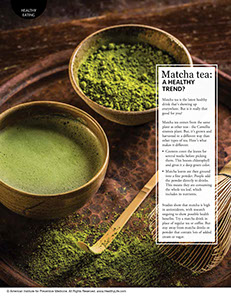
  • Matcha Tea: A Healthy Trend?

    HEALTHY EATING

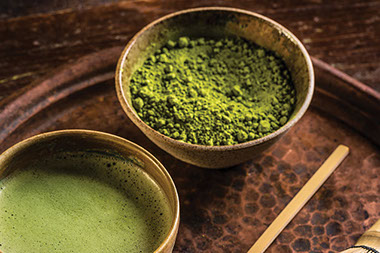
    Matcha tea.

    Matcha tea is the latest healthy drink that’s showing up everywhere. But is it really that good for you?

    Matcha tea comes from the same plant as other teas – the Camellia sinensis plant. But, it’s grown and harvested in a different way than other types of tea. Here’s what makes it different:

    *  Growers cover the leaves for several weeks before picking them. This boosts chlorophyll and gives it a deep green color.

    *  Matcha leaves are then ground into a fine powder. People add the powder directly to drinks. This means they are consuming the whole tea leaf, which includes its nutrients.

    Studies show that matcha is high in antioxidents, with research ongoing to show possible health benefits. Try a matcha drink in place of regular tea or coffee. But stay away from matcha drinks or powder that contain lots of added cream or sugar.

    © American Institute for Preventive Medicine
  • Mood-Boosting Foods

    HEALTHY EATING

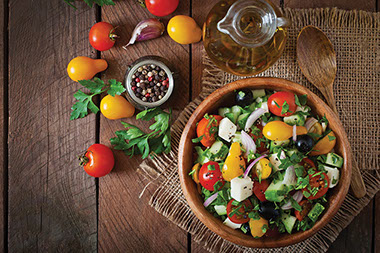
    Fresh salad bowl.

    A healthy diet can have an effect on your brain. It can actually make you feel happy.

    Eat plenty of foods with omega-3 fats. These heart-healthy fats are found in fish, flaxseeds and walnuts, and may help reduce the risk of developing depression.

    Focus on the Mediterranean Diet. This diet includes lots of plant-based foods like fruits and vegetables, as well as olive oil, whole grains, fish, poultry, eggs and beans.

    Source: American Heart Association

    © American Institute for Preventive Medicine
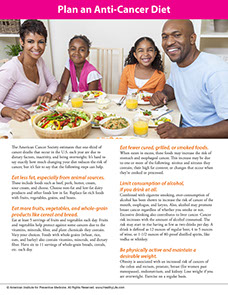
  • Plan An Anti-Cancer Diet

    Nutrition

    The American Cancer Society estimates that one-third of cancer deaths that occur in the U.S. each year are due to dietary factors, inactivity, and being overweight. It’s hard to say exactly how much changing your diet reduces the risk of cancer, but it’s fair to say that the following steps can help.

    Eat less fat, especially from animal sources.

    These include foods such as beef, pork, butter, cream, sour cream, and cheese. Choose non-fat and low-fat dairy products and other foods low in fat. Replace fat-rich foods with fruits, vegetables, grains, and beans.

    Eat more fruits, vegetables, and whole-grain products like cereal and bread.

    Eat at least 5 servings of fruits and vegetables each day. Fruits and vegetables help protect against some cancers due to the vitamins, minerals, fiber, and plant chemicals they contain. Vary your choices. Foods with whole grains (wheat, rice, oats, and barley) also contain vitamins, minerals, and dietary fiber. Have six to 11 servings of whole-grain breads, cereals, etc. each day.

    Eat fewer cured, grilled, or smoked foods.

    When eaten in excess, these foods may increase the risk of stomach and esophageal cancer. This increase may be due to one or more of the following: nitrites and nitrates they contain; their high fat content; or changes that occur when they’re cooked or processed.

    Limit consumption of alcohol, if you drink at all.

    Combined with cigarette smoking, over-consumption of alcohol has been shown to increase the risk of cancer of the mouth, esophagus, and larynx. Also, alcohol may promote breast cancer regardless of whether you smoke or not. Excessive drinking also contributes to liver cancer. Cancer risk increases with the amount of alcohol consumed. The risk may start to rise having as few as two drinks per day. A drink is defined as 12 ounces of regular beer, 4 to 5 ounces of wine, or 1-1/2 ounces of 80-proof distilled spirits, like vodka or whiskey.

    Be physically active and maintain a desirable weight.

    Obesity is associated with an increased risk of cancers of the colon and rectum, prostate, breast (for women past menopause), endometrium, and kidney. Lose weight if you are overweight. Exercise on a regular basis.

    Page from A Year of Health Hints book by the American Institute for Preventive Medicine. www.HealthyLife.com. All rights reserved.

    © American Institute for Preventive Medicine
  • Reach For A Rainbow Of Fruits & Veggies

    Nutrition

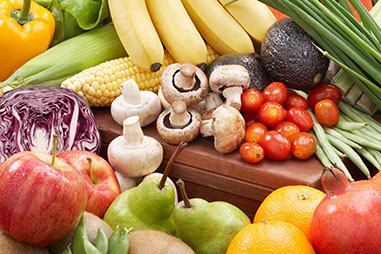
    Image of various fruits and veggies.

    Pick, buy, and eat nature’s healthy foods.

    Fruits and veggies contain essential vitamins, minerals, antioxidants, and fiber that may help protect you from chronic health problems, including stroke, certain cancers, and heart diseases. Health experts agree that half your daily intake of food should be fruits and veggies. Sadly, studies show that most people don’t eat enough colorful foods from nature.

    Put some color into your meals and snacks.

    Fruits and veggies are nature’s art, but their real beauty comes from what’s inside. The more colorful the foods on your plate, the more beneficial nutrients you will receive. For example:

    *  Lentils, artichokes, and chick peas are high in fiber.

    *  Spinach and asparagus have folate, a B vitamin.

    *  Sweet potatoes, pumpkin, and carrots are rich with Vitamin A.

    *  Strawberries, oranges and tomatoes are high in Vitamin C.

    *  Potatoes, bananas, prunes, dried peaches, and apricots are high in potassium.

    Grab and go tips:

    *  Keep a bowl of fresh fruits on the counter.

    *  Keep cut and ready-to-eat veggies front and center in the fridge. Examples are avocados, bell peppers, broccoli, carrots, cauliflower, celery, cucumbers, and grape or cherry tomatoes.

    *  Buy fresh fruits in season.

    *  Stock fruits that are dried, frozen, and canned (in water or 100% fruit juice).

    *  Choose packaged fruits without added sugars.

    *  Include a tangerine, banana or grapes with lunch.

    *  Add cut-up fruit to tossed salads.

    *  Keep packages of dried fruit in your desk drawer – pineapple, bananas, cherries, figs, dates, cranberries, blueberries, raisins, etc.

    *  Stock the freezer with frozen juice bars (100% juice).

    *   Experiment with different textures, such as crunchy apples, creamy bananas, and juicy oranges.

    Action Step

    Under clean, running water, gently rub fruits to remove dirt, bacteria and chemicals. Produce with nooks and crannies – broccoli, cauliflower, and lettuce – should be soaked for 1 to 2 minutes in clean water.

    Page from Ways to Well-Being book by the American Institute for Preventive Medicine. www.HealthyLife.com. All rights reserved.

    © American Institute for Preventive Medicine
  • Can Food Prevent Cancer?

    HEALTHY EATING

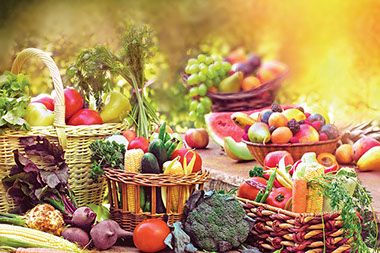
    A variety of baskets filled with fruits and vegetables.

    Studies have shown that eating healthy foods, especially plants, can help prevent certain health problems. It can help you avoid type 2 diabetes, heart disease and stroke. Some research also shows that a healthy diet can help prevent cancer.

    There is no single food or diet that will always prevent cancer. Many times, cancer is caused by things we cannot control. But there is promising research that says a healthy diet can lower your risk of some cancers. Here is what researchers have found.

    Fruits and vegetables

    We already know fruits and vegetables are good for you. They are full of vitamins, fiber and other nutrients. Eating lots of fruits and vegetables may lower the chances of getting lung, colorectal, oral, esophagus, stomach and colon cancer. The Mediterranean Diet, which includes lots of fruits and vegetables, is one diet plan that seems to have anti-cancer ability.

    In addition to fruits and vegetables, people should get enough calcium and vitamin D. These nutrients may play a role in lowering the risk of getting colorectal cancer.

    Phytochemicals – a health booster

    Phytochemicals are special chemicals found in plants. Some studies suggest that they can lower your cancer risk. Phytochemicals may:

    *  Boost your immune system

    *  Help block cancer-causing substances called carcinogens

    *  Lower inflammation that can lead to cancer

    *  Help your DNA repair itself

    *  Slow down the growth of cancer cells

    *  Get rid of damaged cells in the body

    Phytochemicals are found in fruits, vegetables, legumes and whole grains. Foods that have bright colors or strong flavors tend to have the most phytochemicals.

    What not to eat

    Some foods may increase the risk of some cancers. Avoid or limit:

    *  Heavily processed meats like ham, bacon, sausage and salami

    *  Alcohol, which may increase the risk of mouth, throat, esophagus, breast, colorectal and liver cancer

    *  Foods that cause indigestion and heartburn. Long-term heartburn can increase the risk of esophagael cancers

    Most experts agree that nutritional supplements have not been shown to fight cancer. Stick to eating healthy foods for more cancer-fighting power.

    Your doctor is your partner in helping to prevent cancer and other health problems. Be sure to discuss your cancer risk and the best diet for you.

    Sources: American Academy of Family Physicians, American Institute for Cancer Research, National Institute of Diabetes and Digestive and Kidney Diseases

    © American Institute for Preventive Medicine
  • Guard Against Macular Degeneration

    Mature Health: Over Age 50

    Image of mature women receiving an eye exam.

    Macular degeneration is the leading cause of central vision loss for those over 55 years of age. The central part of the retina (the macula) deteriorates, leading to loss of “straight ahead” vision. One or both eyes can be affected. If you are 50 years of age or older, ask your eye doctor to check for macular degeneration at routine vision exams. Ask, too, for a simple home screening device that lets you check for signs of macular degeneration on your own.

    To reduce the risk for macular degeneration:

    *  Keep your blood pressure at a normal level.

    *  Maintain a healthy weight.

    *  Don’t smoke. If you smoke, quit.

    *  Protect your eyes from the sun’s harmful ultraviolet rays. Wear sunglasses with UV block. Wear a wide-brimmed hat.

    *  Talk to your doctor about taking a high dose vitamin and mineral supplement to reduce the risk of advanced age-related macular degeneration.

    A Year of Health Hints book by the American Institute for Preventive Medicine. www.HealthyLife.com. All rights reserved.

    © American Institute for Preventive Medicine
  • Macular Degeneration

    Eye Conditions

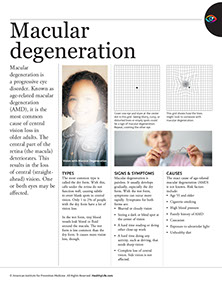
    Macular degeneration is a progressive eye disorder. Known as age-related macular degeneration (AMD), it is the most common cause of central vision loss in older Americans. The central part of the retina (the macula) deteriorates. This results in the loss of central (straight-ahead) vision. One or both eyes may be affected. The most common type is called the dry form. With this, cells under the retina do not function well, causing subtle to overt blank spots in central vision. Only 1 to 2% of people with the dry form have a lot of vision loss. In the wet form, tiny blood vessels leak blood or fluid around the macula. The wet form is less common than the dry form. It causes more vision loss, though.

    Signs & Symptoms

    Macular degeneration is painless. It usually develops gradually, especially the dry form. With the wet form, symptoms can occur more rapidly. Symptoms for both forms are:

    *  Blurred or cloudy vision.

    *  Seeing a dark or blind spot at the center of vision.

    *  A hard time reading or doing other close-up work.

    *  A hard time doing any activity, such as driving, that needs sharp vision.

    *  Complete loss of central vision. Side vision is not affected.

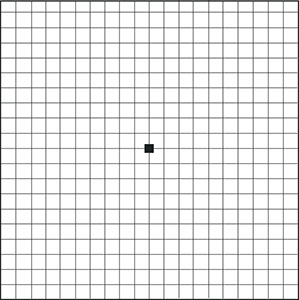
    Cover one eye and stare at the center dot in this grid. Seeing blurry, curvy, or distorted lines or empty spots could be a sign of macular degeneration. Repeat, covering the other eye.

    This grid shows how the lines might look to someone with macular degeneration.

    Causes

    The exact cause of age-related macular degeneration (AMD) is not known. Risk factors are:

    *  Advancing age.

    *  Cigarette smoking. High blood pressure.

    *  Family history of AMD.

    *  Having light-colored eyes.

    *  Exposure to ultraviolet light.

    *  Poor diet.

    Treatment

    Treatment for the wet form includes photodynamic therapy and laser therapy. Medicine called “anti-VEGF therapy” can also be given. Most dry form cases are not treatable. Your eye doctor may prescribe special eyeglasses and low vision aids. He or she may also prescribe a specific high dose vitamin and mineral to reduce the risk of advanced AMD.

    Questions to Ask

    Self-Care / Prevention

    To Reduce the Risk for AMD

    *  Don’t smoke. If you smoke, quit.

    *  Follow a healthy diet. Include green leafy vegetables and fish.

    *  Protect your eyes from the sun’s ultraviolet rays. Wear sunglasses with UV block. Wear a hat with a wide brim.

    *  Use Self-Care / Prevention measures to control high blood pressure and heart disease.

    To Treat AMD

    *  Wear the special eyeglasses and use other vision aids, such as magnifying devices, as advised by your doctor.

    *  Talk to your doctor before taking vitamin and mineral supplements.

    Resources

    Macular Degeneration Foundation

    www.eyesight.org

    National Eye Institute (NEI)

    www.nei.nih.gov

    Healthier at Home book by the American Institute for Preventive Medicine. www.HealthyLife.com. All rights reserved.

    © American Institute for Preventive Medicine