Tag: antioxidants

  • Fruits & Vegetables

    Healthylife® Weigh

    Part 2
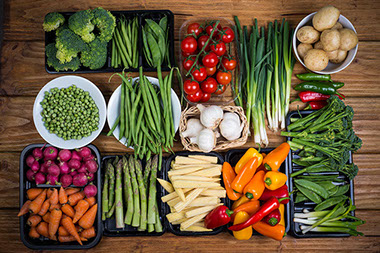
    A variety of vegerables.

    Fruits & vegetables make up the biggest part of MyPlate.

    Why should I eat fruits & vegetables?

    1. Fruits & vegetables are packed with nutrients. They provide essential vitamins and minerals, fiber, and a variety of phytochemicals (plant chemicals) that may play a role in preventing certain diseases.

    2. Fruits & vegetables contain water that helps you stay hydrated.

    3. Fruits & vegetables are high in fiber, which improves digestion and helps you feel full. Fiber also helps you use the energy from your food for a longer period of time, reducing feelings of hunger.

    4. Fruits & vegetables are tasty and can be prepared in many ways. They can add color, crunch, and flavor to your meals and snacks!

    Aim for variety

    Fruit: Choose a variety of whole fruits. The skin contains many unique nutrients and a lot of heart-healthy fiber. Choose fresh, frozen, canned (in juice to avoid added sugars), or dried fruits. ½ cup of fruit counts as:

    *  ½ cup raw or cooked fruit

    *  1 small banana, peach, or orange

    *  1 large plum or 16 seedless grapes

    *  ½ cup of chopped, cooked, or canned fruit

    *  4 tablespoons or 1/4 cup of raisins, prunes or dates

    *  ½ cup 100% fruit juice

    Vegetables: Include a variety of choices during your day. Choices can be fresh, frozen, or canned (choose low-sodium options). 1 cup of vegetables counts as:

    *  2 cups raw leafy vegetables

    *  1 cup of other vegetables; cooked or chopped raw

    *  1 cup 100% vegetable juice (choose juices less often)
    © American Institute for Preventive Medicine
  • Fruits & Vegetables 2

    Healthylife® Weigh

    Menus & Recipes

    A variety of vegerables.

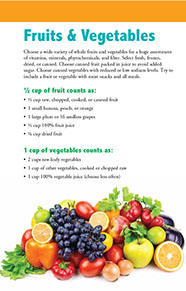
    Choose a wide variety of whole fruits and vegetables for a huge assortment of vitamins, minerals, phytochemicals, and fiber. Select fresh, frozen, dried, or canned. Choose canned fruit packed in juice to avoid added sugar. Choose canned vegetables with reduced or low sodium levels. Try to include a fruit or vegetable with most snacks and all meals.

    ½ cup of fruit counts as:

    *  ½ cup raw, chopped, cooked, or canned fruit

    *  1 small banana, peach, or orange

    *  1 large plum or 16 seedless grapes

    *  ½ cup 100% fruit juice

    *  ¼ cup dried fruit

    1 cup of vegetables counts as:

    *  2 cups raw leafy vegetables

    * 1 cup of other vegetables, cooked or chopped raw

    * 1 cup 100% vegetable juice (choose less often)

    © American Institute for Preventive Medicine

  • 6 Reasons To Eat Oranges Daily

    HEALTHY EATING

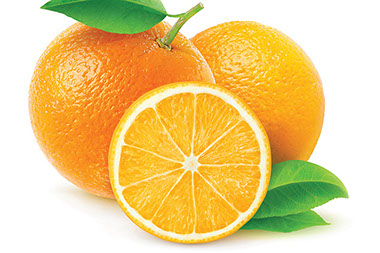
    Image of an orange.

    1. Vitamin C

    One large orange gives you 130 percent of your daily need for vitamin C. This vitamin helps boost immunity and fight cancer.

    2. Fiber

    One sweet, juicy orange delivers 4 grams of fiber. Fiber helps with digestion and may help prevent heart disease and some cancers.

    3. Minerals

    Oranges also contain important minerals such as calcium, magnesium, copper, phosphorus and potassium. These minerals are important for immune health, nervous system and muscle function, and many other body processes.

    4. B vitamins

    Oranges contain several of the B vitamins, which help the body’s cells work properly and provide you with energy.

    5. Calorie-Friendly

    One orange is a lower calorie option to satisfy your craving for something sweet.

    6. Phytochemicals

    Oranges contain hundreds of these plant chemicals that support many metabolic functions in the body.

    Sources: United States Department of Agriculture, National Institutes of Health

    © American Institute for Preventive Medicine

  • Fall Foods Fight Cancer

    HEALTHY EATING

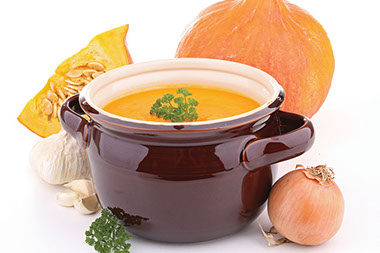
    Image of pumpkin soup.

    The harvest bounty should end up on your dinner table. Stacy Kennedy, a senior nutritionist at Dana-Farber Cancer Institute in Boston, says many fruits and vegetables are at their nutritional peak in the fall so it’s a great time to incorporate them into a healthy diet.

    Kennedy shares the ABC’s of fall foods:

    *“A” is for apple.Studies suggest that eating at least one apple a day can help prevent some types of cancer. Besides being crisp, sweet, and juicy, apples contain quercetin, a nutrient that protects the cells’ DNA from getting damaged. This damage could lead to cancer. Eat apples raw with the skin on because that’s where many of the nutrients are found.

    *“B” is for berries-cranberries.Eat cranberries year-round. Cranberries contain benzoic acid, which has been shown to inhibit the growth of lung cancer, colon cancer, and some forms of leukemia. Buy bags of fresh cranberries now, while they are in season and at their nutritional peak, and pop them in the freezer for later use. This will help ensure that the berries will provide the highest level of cancer protection whenever they’re used.

    *“C” is for color.Just like the leaves on the trees, fall is a time for colorful vegetables like beets, carrots, and parsnips. They add a burst of color and taste. The brighter and richer the pigment, the higher the level of cancer- fighting nutrients.

    *“D” is for dark leafy vegetables.Kale is a top choice because it’s rich in phytonutrients called indoles, which stimulate liver detoxification and help fight cancer. Other members of the cruciferous family include broccoli, cabbage, and Brussels sprouts.

    *“E” is for everything orange.Pumpkins, squash, carrots, and sweet potatoes are all packed with a cancer-fighting nutrient called carotenoid. Kennedy stresses that pumpkin isn’t just for pies. She suggests eating it year round by adding it to soup, smoothies, pancake batter and even raviolis.

    FYI: Tomatoes and plastic

    To keep your plastic storage containers from becoming discolored from acidic tomato products, spray with a non-stick cooking spray first, then place your food items inside. This food prep advice is from the extension experts at the University of Nebraska-Lincoln.

    © American Institute for Preventive Medicine
  • The Best Foods To Help You Focus

    HEALTHY EATING

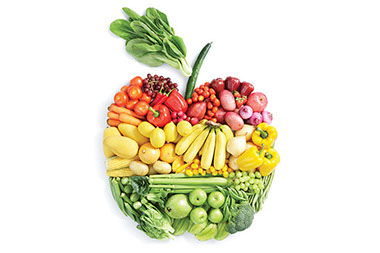
    Image of different vegetables shaped into an apple.

    You know the right foods are good for your body, but did you know they can help your brain too? Many foods can actually improve brain function, according to the Academy of Nutrition and Dietetics:

    *Vegetables.All vegetables can benefit the brain, but certain vegetables seem to be especially helpful. Cruciferous vegetables like broccoli, cabbage or cauliflower boost brain power. Dark leafy greens, such as spinach, kale, mustard greens and dark lettuce, also improve concentration and memory.

    *Dark-colored berries.Blackberries, blueberries and cherries have nutrients that your brain needs for optimal function. Fresh or frozen are great options. If you choose dried fruits, read the label and avoid any with added sugar.

    *Omega-3 fatty acids.Fatty fish, such as salmon, bluefin tuna, sardines and herring contain high amounts of omega-3 fatty acids. Vegetarian sources include flaxseeds, chia seeds and walnuts.

    In addition, these foods are also great for your heart and overall health. Try working them into your daily diet for maximum brain benefit and a healthier you.

    © American Institute for Preventive Medicine

  • What Really Are Antioxidants?

    HEALTHY EATING

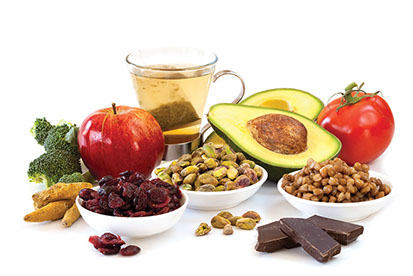
    Image of different sources of antioxidants.

    Antioxidants play an important role in overall health. They are natural compounds found in some foods that help neutralize free radicals in our bodies.

    Free radicals are substances that occur naturally in our bodies but attack the fats, protein, and the DNA in our cells, which can cause different types of diseases and accelerate the aging process, according to Claudia Fajardo-Lira, professor of food science and nutrition at California State University-Northridge.

    The best antioxidant sources are fruits and vegetables, as well as products derived from plants. Some good choices include blueberries, raspberries, apples, broccoli, cabbage, spinach, eggplant, and legumes like red kidney beans or black beans.

    They’re also found in green tea, black tea, red wine, and dark chocolate. Usually, the presence of color indicates there is a specific antioxidant in that food.

    The keyword here is variety. Try to get as many fruits and vegetables with different colors when you plan your meals and go to the grocery store. An array of color in your diet will give you the widest range of helpful antioxidants.

    Antioxidants added to foods are as effective as those that occur naturally. Vitamins such as C, A, and E can be added to foods-and they often are, such as in orange juice.

    It’s important not to overdo it on vitamin supplements because there can be too much of a good thing. With food alone, it would be extremely difficult to consume too many antioxidants.

    The MyPlate tool based on the Dietary Guidelines for Americans recommends that you make half your plate fruits and vegetables. If you aim to do that at most meals, you can be sure to get the antioxidants you need, recommends the Institute of Food Technologists.

    © American Institute for Preventive Medicine
  • Yes, You Can Eat Chocolate

    HEALTHY EATING

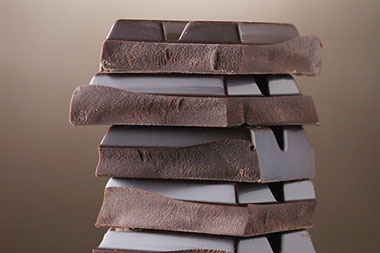
    Image of chocolate pieces stacked on top of each other.

    Although actual health benefits of eating chocolate are still being studied, the NIH News in Health reports that you can eat some types of chocolate in moderation:

    *  Eat as dark a chocolate as you can. Darker chocolate may help lower blood pressure.

    *  Choose dark chocolate instead of less healthy treats such as ice cream or candy.

    *  Avoid white and milk chocolates. Also avoid filled chocolate, such as truffles.

    *  Make hot chocolate with unsweetened cocoa, water, or nonfat milk, and a little added sugar.

    *  Watch your total calories because chocolate has a lot of them.

    © American Institute for Preventive Medicine