Tag: anxiety

  • Reducing Presurgery Jitters

    Medical Care

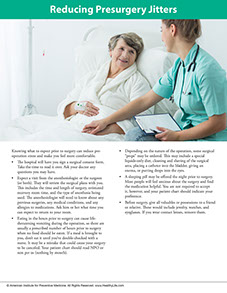
    Image of older women looking nervous.

    Knowing what to expect prior to surgery can reduce pre-operation stress and make you feel more comfortable.

    *  The hospital will have you sign a surgical consent form. Take the time to read it over. Ask your doctor any questions you may have.

    *  Expect a visit from the anesthesiologist or the surgeon (or both). They will review the surgical plans with you. This includes the time and length of surgery, estimated recovery room time, and the type of anesthesia being used. The anesthesiologist will need to know about any previous surgeries, any medical conditions, and any allergies to medications. Ask him or her what time you can expect to return to your room.

    *  Eating in the hours prior to surgery can cause life-threatening vomiting during the operation, so there are usually a prescribed number of hours prior to surgery when no food should be eaten. If a meal is brought to you, don’t eat it until you’ve double-checked with a nurse. It may be a mistake that could cause your surgery to be canceled. Your patient chart should read NPO or non per os (nothing by mouth).

    *  Depending on the nature of the operation, some surgical “preps” may be ordered. This may include a special liquids-only diet, cleaning and shaving of the surgical area, placing a catheter into the bladder, giving an enema, or putting drops into the eyes.

    *  A sleeping pill may be offered the night prior to surgery. Most people will feel anxious about the surgery and find the medication helpful. You are not required to accept it, however, and your patient chart should indicate your preference.

    *  Before surgery, give all valuables or possessions to a friend or relative. These would include jewelry, watches, and eyeglasses. If you wear contact lenses, remove them.

    Page from A Year of Health Hints book by the American Institute for Preventive Medicine. www.HealthyLife.com. All rights reserved.

    © American Institute for Preventive Medicine
  • Address Anxiety 2

    Healthylife® QuitWell™

    Part 2

    Zen garden with massage stones and waterlily.

    Anxiety is a feeling of dread, fear, or distress over a real or imagined threat to your mental or physical well-being. Smoking, chewing, or vaping may be a way that you have coped in the past with these feelings. At all stages of change, you can learn to address anxiety in healthy ways.

    First, try to calm your body physically. Calming the physical body can make working through what is in your mind easier.

    *  Breathe deeply and evenly.

    *  Take a walk or get some other form of exercise.

    *  Take a long, warm bath or shower. Or, go for a swim.

    *  Listen to soothing music. Or, go somewhere quiet.

    *  Connect with people. Visit or call someone who will listen to you and support you.

    *  Drink a warm cup of decaf coffee or tea-avoid caffeine, which can make anxiety worse.

    As you take a step back, use these tips to manage the thoughts that are causing your anxiety:

    *  Ask: is your thought based on facts?

    *  Identify what you are trying to do. Know your purpose.

    *  Consider many different outcomes and their effects.

    *  View the situation from many perspectives.

    *  Don’t assume a situation will have the same outcome as it did in the past.

    *  Have good evidence for a generalization before you make it.

    *  Avoid assuming one event caused another just because they happened at the same time.

    You will likely feel calmer after you quit. Nicotine only makes you more nervous. Nicotine is a stimulant. After you get over the initial stress of quitting, you’ll find that without all that nicotine in your body, you feel calmer and more relaxed.

    © American Institute for Preventive Medicine
  • Weighted Blankets – A Sleep Saver?

    WELL-BEING

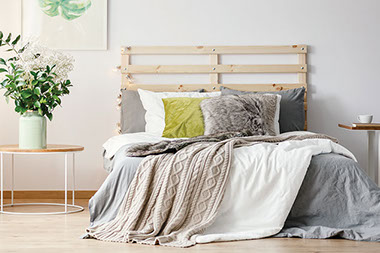
    Bed with weighted blankets.

    Weighted blankets have become popular – but do you need one?

    Weighted blankets are designed to feel very heavy. They are usually filled with glass or plastic pellets that add weight. Some people believe the extra weight can feel like a hug. This may have a calming effect.

    Before you invest in a weighted blanket, here’s what to know:

    *  No large studies say that weighted blankets have proven health benefits. But some smaller studies have found that they can help a person calm down when stressed. They may also help some people with insomnia and anxiety, according to the National Sleep Foundation.

    *  Weighted blankets come in different sizes and weights. You may wish to use one that weighs around 10 percent of your body weight.

    *  Never use a weighted blanket on a baby or toddler.

    © American Institute for Preventive Medicine

  • Ways To Relieve Dental Anxiety

    Dental & Mouth Concerns

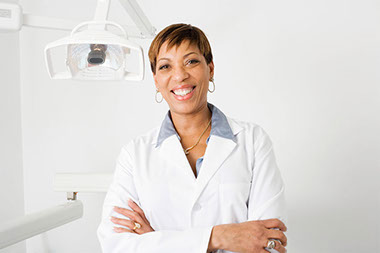
    Image of smiling dentist.

    If you dread going to the dentist, ask about anxiety-reducing techniques you can use to help stay calm and relaxed. Some effective strategies follow.

    *  Tell your dentist how you feel. Some dentists are trained in helping anxious patients overcome fear of dental procedures.

    *  Ask if you can listen to soothing music or relaxation CDs played on a stereo headset. Ask if the dentist offers a hand-held device that allows you to press a button to stop the dentist’s drill.

    *  If your dentist is skilled at hypnosis, consider being hypnotized.

    *  If your anxiety is more than you can handle, see a psychotherapist who specializes in treating dental anxiety and other phobias.

    Have a routine cleaning and checkup every six months. Preventive care will minimize the need for more painful and lengthy treatment.

    A Year of Health Hints book by the American Institute for Preventive Medicine. www.HealthyLife.com. All rights reserved.

    © American Institute for Preventive Medicine
  • Address Anxiety

    Healthylife® Weigh

    Part 6

    Women at home coping with anxiety.

    Anxiety is a feeling of dread, fear, or distress over a real or imagined threat to your mental or physical well-being. Avoid eating as a way to cope with anxiety. Try the strategies listed below.

    Strategy

    *  Take a long, warm bath or shower. Or, go for a swim.

    *  Focus on relaxing through exercise, soothing music, helping others, etc.

    *  Connect with people. Visit or call someone who will listen to you and support you.

    *  Drink a warm cup of decaf coffee or tea – avoid caffeine, which can make anxiety worse.

    *  Practice mindfulness and other relaxation techniques.

    Wash, Peel & Chop Away Anxiety

    Get your meal prep done and work away anxious feelings at the same time!

    Gently wash fruits and vegetables. Chop foods slowly and evenly. Prepare all of the ingredients for a meal neatly before starting to cook.

    Take your time to cook. Clean as you go, keeping your space tidy. Slowly wash and dry dishes by hand. Take breaks if you need to.

    Other Causes of Anxiety

    Anxiety could be a symptom of low blood sugar. Other symptoms of low blood sugar include shakiness, feeling faint, headache, rapid heartbeat, and sweating. In this case, you will need to have something to drink or eat, such as orange juice, a piece of hard candy, or crackers. Anxiety can also be a symptom of an anxiety disorder or other health condition. Check with your doctor if the symptoms above happen often.

    Take a Step Back

    Write down what you are anxious about. Step back and look at your concern from an outsider’s point of view. Imagine how others might handle these issues. You can also use this technique to look at your job or family duties. Ask yourself these questions:

    *  What can I expect of myself in this situation?

    *  Are my expectations realistic, given my abilities, strengths, and weaknesses?

    *  What do others expect of me?

    *  What ideas would others have for me? When you imagine how someone else might respond to a situation, you may come up with helpful ideas!

    If you struggle to answer these questions, wait at least an hour or sleep on it. When you come back to this worry, you may see things in a different way and feel more ready to address the issue.

    © American Institute for Preventive Medicine