WORK LIFE

It seems that today’s world is built for multitasking. With smartphones and tablets, you can check your email, surf the web, and chat from nearly anywhere. And at work, you may be typing while on a conference call or checking messages during a meeting.
But the American Psychological Association (APA) says this culture of multitasking could actually be harmful, not helpful. The brain is only capable of doing one thing at a time, and therefore, multitasking in itself is not truly possible. Your brain actually switches back and forth between tasks when you think you’re multitasking, says the APA. This process of switching costs you time, and can make you less efficient.
In addition, Harvard Medical School says multitasking leads to errors and mistakes at work. Maybe you’re shifting back and forth between activities or thinking about something else (like the dinging of your smartphone) while you’re supposed to be doing a task. As a result, you may be more likely to miss details or forget to do things.
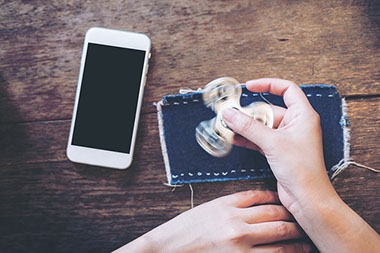
So how do you break the multitasking habit? Find your main sources of distraction and put them aside. If your smartphone is the problem, try putting it in the next room or out of sight while you work on a task. At the very least, silence alerts you don’t need right away such as emails and text messages.
If the beeping of your email at work is keeping you from focusing on your task at hand, consider closing your email program and only checking it at designated times.
Cutting out the main sources of distraction can help you stay focused and productive at work or at home.

© American Institute for Preventive Medicine