Tag: avoid

  • Develop Supermarket Savvy

    Weight Control

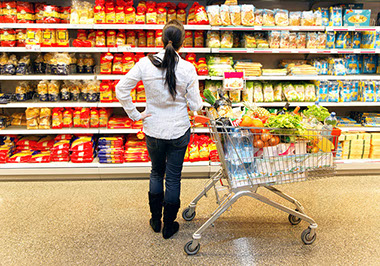
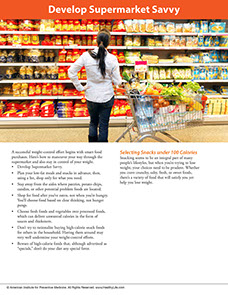
    A successful weight-control effort begins with smart food purchases. Here’s how to maneuver your way through the supermarket and also stay in control of your weight.

    *  Plan your low-fat meals and snacks in advance, then, using a list, shop only for what you need.

    *  Stay away from the aisles where pastries, potato chips, candies, or other potential problem foods are located.

    *  Shop for food after you’ve eaten, not when you’re hungry. You’ll choose food based on clear thinking, not hunger pangs.

    *  Choose fresh foods and vegetables over processed foods, which can deliver unwanted calories in the form of sauces and thickeners.

    *  Don’t try to rationalize buying high-calorie snack foods for others in the household. Having them around may very well undermine your weight-control efforts.

    *  Beware of high-calorie foods that, although advertised as “specials,” don’t do your diet any special favor.

    Selecting Snacks under 100 Calories

    Snacking seems to be an integral part of many people’s lifestyles, but when you’re trying to lose weight, your choices need to be prudent. Whether you crave crunchy, salty, fresh, or sweet foods, there’s a variety of food that will satisfy you yet help you lose weight. The table below lists 25 snacks that are all less than 100 calories each!
    Page from A Year of Health Hints book by the American Institute for Preventive Medicine. www.HealthyLife.com. All rights reserved.

    © American Institute for Preventive Medicine
  • Tips For Dining Out Without Pigging Out

    Nutrition

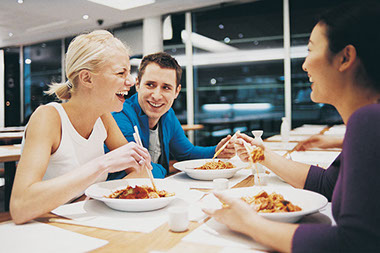
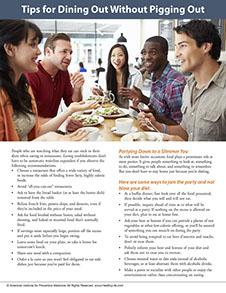
    Image of friends eating out.

    People who are watching what they eat can stick to their diets when eating in restaurants. Eating establishments don’t have to be automatic waistline expanders if you observe the following recommendations.

    *  Choose a restaurant that offers a wide variety of food, to increase the odds of finding fewer fatty, highly caloric foods.

    *  Avoid “all-you-can-eat” restaurants.

    *  Ask to have the bread basket (or at least the butter dish) removed from the table.

    *  Refuse french fries, potato chips, and desserts, even if they’re included in the price of your meal.

    *  Ask for food broiled without butter, salad without dressing, and baked or steamed food that’s normally fried.

    *  If servings seem especially large, portion off the excess and put it aside before you begin eating.

    *  Leave some food on your plate, or take it home for tomorrow’s lunch.

    *  Share one meal with a companion.

    *  Order a la carte so you won’t feel obligated to eat side dishes just because you’ve paid for them.

    Here are some ways to join the party and not blow your diet.

    *  At a buffet dinner, first look over all the food presented, then decide what you will and will not eat.

    *  If possible, inquire ahead of time as to what will be served at a party. If nothing on the menu is allowed on your diet, plan to eat at home first.

    *  Ask your host or hostess if you can provide a platter of raw vegetables or other low-calorie offering, so you’ll be assured of something you can munch on during the party.

    *  To avoid being tempted to eat hors d’oeuvres and snacks, don’t sit near them.

    *  Politely inform your host and hostess of your diet and ask them not to coax you to overeat.

    *  Choose mineral water or diet soda instead of alcoholic beverages, or at least alternate them with alcoholic drinks.

    *  Make a point to socialize with other people or enjoy the entertainment rather than concentrating on eating.

    Partying Down to a Slimmer You

    As with most festive occasions, food plays a prominent role at most parties. It gives people something to look at, something to do, something to talk about, and something to remember. But you don’t have to stay home just because you’re dieting.

    Page from A Year of Health Hints book by the American Institute for Preventive Medicine. www.HealthyLife.com. All rights reserved.

    © American Institute for Preventive Medicine
  • Lactose Intolerance

    Abdominal & Urinary Conditions

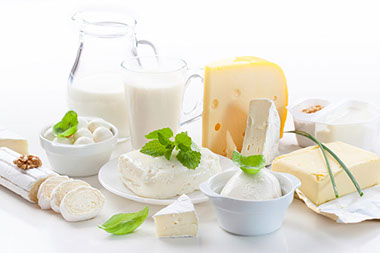
    Image of various of different dairy products.

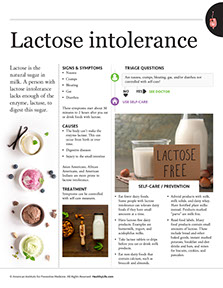
    Lactose is the natural sugar in milk. A person with lactose intolerance lacks enough of the enzyme, lactase, to digest this sugar.

    Signs & Symptoms

    *  Nausea.

    *  Cramps.

    *  Bloating.

    *  Gas.

    *  Diarrhea.

    These symptoms start about 30 minutes to 2 hours after you eat or drink foods with lactose.

    Causes

    *  The body can’t make the enzyme lactase. This can occur from birth or over time.

    *  Digestive diseases.

    *  Injury to the small intestine.

    Asian Americans, African Americans, and American Indians are more prone to lactose intolerance.

    Treatment

    Symptoms can be controlled with self-care measures.

    Questions to Ask

    Self-Care / Prevention

    *  Eat fewer dairy foods. Some people with lactose intolerance can tolerate dairy foods if they have small amounts at a time.

    *  Have lactose-free dairy products. Have ones that reduce lactose with bacterial cultures. Examples are buttermilk, yogurt, and acidophilus milks.

    *  Take over-the-counter drops or pills that have the enzyme lactase when you have dairy foods.

    *  If the above measures don’t help, don’t have products with milk, milk solids, and dairy whey. Have soy milk instead. Products marked “parve” are milk free.

    *  Read food labels. Many food products contain small amounts of lactose. These include bread and other baked goods, instant mashed potatoes, breakfast and diet drinks and bars, and mixes for biscuits, cookies, and pancakes.

    Healthier at Home book by the American Institute for Preventive Medicine. www.HealthyLife.com. All rights reserved.

    © American Institute for Preventive Medicine
  • Avoid Summer Headaches

    SELF-CARE CORNER

    Image of women sitting at the beach talking on the phone.

    The sun can be especially bothersome if you suffer from migraine. Looking directly or indirectly at the sun can trigger a migraine attack for some people.

    Don’t forget your shades-sunglasses, visors, or sun hat when you are out and enjoying the sunshine at the beach, tennis court, golf course, or a baseball game, advises the National Headache Foundation.

    Other summer headache triggers include changes in barometric pressure. Watch out for those sudden thunderstorms and windy days.

    Drink plenty of water, not soft drinks, to help prevent those “dehydration” headaches. You don’t want to drink too many soft drinks containing caffeine, which can also contribute to your headaches.

    At backyard barbecues and picnics, you may encounter food items that you wouldn’t normally eat. The sauces and dry rubs on those tasty ribs may contain monosodium glutamate (MSG) to which many headache sufferers are sensitive. The spread at a picnic may include aged cheeses, hot dogs, and other meats with nitrates, and pickles-all possible triggers. Also watch your intake of beer and cocktails.

    © American Institute for Preventive Medicine