Tag: balance

  • Plan For Happiness During The Holidays

    Connect With Relatives

    Couple enjoying the outdoors.

    If holidays are sad due to a lost loved one, plan to be with other people.

    For many people, holiday times are too hectic and tiring to be enjoyable. For others, living alone or with memories of a lost loved one brings sadness.

    *  Schedule activities you enjoy, but take time to unwind.

    *  Keep from over planning, hosting, and attending too many events.

    *  Lower expectations of having a perfect holiday. Focus on family traditions that are enjoyable, but realistic.

    *  Talk to someone you trust if you are having sad feelings.

    Minding Your Mental Health Book. Published by the American Institute for Preventive Medicine. www.HealthyLife.com. All rights reserved.

    © American Institute for Preventive Medicine

  • Weight Loss & Metabolism

    Healthylife® Weigh

    Part 7

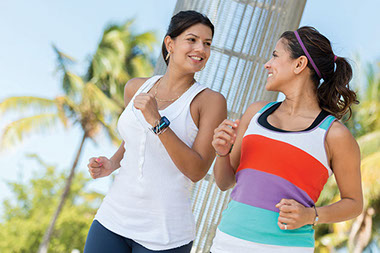
    Two women power walking together.

    As you have learned throughout this guide, losing weight can result in many positive changes for your body. One change, however, can make it tougher to maintain weight loss. When you lose weight, the body’s natural reaction is to conserve energy by slowing your metabolism.

    Your metabolism may be slower than before you lost weight.

    *  Your body changes to make it difficult to lose more weight.

    *  Your body changes to make it easier to put on weight.

    Without changing your habits and lifestyle around food and exercise, being overweight can become a chronically relapsing condition. You may feel caught in a cycle of gaining and losing weight repeatedly. This pattern can be very hard on the body and mind.

    You are not doomed to gain weight once you have worked hard to lose it. While a slower metabolism can make it harder, you have built many strengths to make this challenge easier.

    *  Easier to exercise (e.g., less joint pain, improved heart and lung function, more energy)

    *  More muscle tissue (this increases your metabolism)

    *  Enjoy an increased variety of healthy foods

    *  Stronger social support

    *  Kinder view of self and body image

    *  Strengthened values

    © American Institute for Preventive Medicine

  • How To Reduce Stress At Work

    WORK LIFE

    Image of smiling employee.

    Get enough sleep:Poor sleep can affect your mood, judgement and memory. This can harm your ability to cope with stress.

    Look at the bright side:Each day, write down something you are thankful for. Take note of things that make you smile.

    Get moving:Exercise is a well-known way to reduce stress and improve mood. Walking just 20 minutes a day can make a difference.

    Try meditation:Meditating, praying or whatever helps you block out the stress of the day can help you relax. Finding time for peace can reduce overall stress levels.

    Find ways to laugh:Laughter can help your muscles relax, which can be soothing after a stressful day.

    Take a deep breath:Deep breathing activates a state of relaxation. Focus on deep breaths in and out for a few minutes each day.

    Stretch it out:Stretching can be relaxing and can help the body get ready for sleep. Stretch each night before bed to help you get good rest.

    Talk to others:Emotional support from friends and family is helpful during times of stress. Make plans to talk with people and have fun with loved ones during your free time.

    Sources: American Institute of Stress, Anxiety and Depression Association of America, American Psychological Association

    © American Institute for Preventive Medicine

  • Yes, You Can Eat Chocolate

    HEALTHY EATING

    Image of chocolate pieces stacked on top of each other.

    Although actual health benefits of eating chocolate are still being studied, the NIH News in Health reports that you can eat some types of chocolate in moderation:

    *  Eat as dark a chocolate as you can. Darker chocolate may help lower blood pressure.

    *  Choose dark chocolate instead of less healthy treats such as ice cream or candy.

    *  Avoid white and milk chocolates. Also avoid filled chocolate, such as truffles.

    *  Make hot chocolate with unsweetened cocoa, water, or nonfat milk, and a little added sugar.

    *  Watch your total calories because chocolate has a lot of them.

    © American Institute for Preventive Medicine

  • Yoga

    Healthylife® Weigh

    Part 5

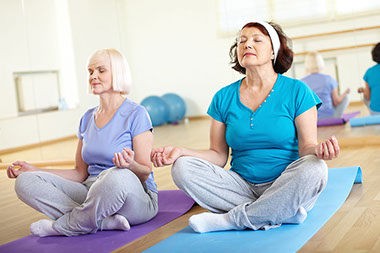
    Senior women doing yoga.

    Yoga is excellent for improving flexibility, relaxation, and stress reduction. Find a good instructor who can modify yoga to suit your individual needs. Develop your skills slowly. You can also find free yoga resources online or at your library. Watch YouTube videos or DVDs for demonstrations of movements.

    © American Institute for Preventive Medicine

  • I Love My Cellphone

    WELL-BEING

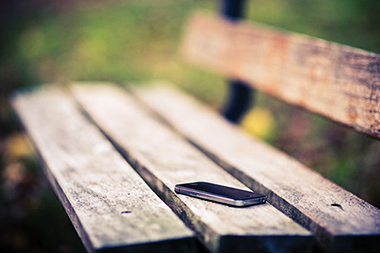
    Image of a smart phone on a bench.

    You’ve done it: driven back home to search for your forgotten phone. Dug under the car seats. Called yourself to find a lost phone. Or, worse, watched your phone ring silently when you were in a situation where you couldn’t answer it.

    Cellphone use has become a common part of life as mobile devices have become one of the most popular ways to communicate. Research from the University of Missouri has found that cellphone separation can have serious psychological and physiological effects on iPhone users, including poor performance on mental tests.

    The researchers say these findings suggest that iPhone users should avoid parting with their phones during daily situations that involve a great deal of attention, such as taking tests, sitting in conferences or meetings, or completing important work assignments, as it could result in poorer mental performance on those tasks. But use common sense and proper business etiquette about texting, talking, and checking emails in those venues.

    © American Institute for Preventive Medicine

  • Balancing Work & Caregiving

    WORK LIFE

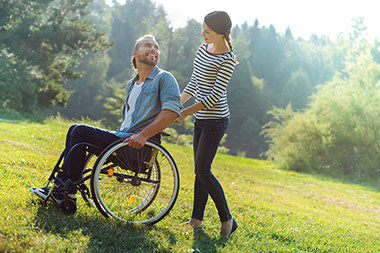
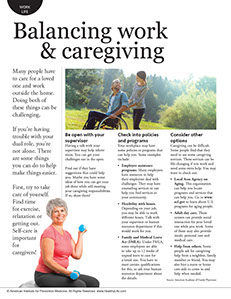
    Women pushing man in wheelchair through the lawn.

    Many people have to care for a loved one and work outside the home. Doing both of these things can be challenging. If you’re having trouble with your dual role, you’re not alone. There are some things you can do to help make things easier.

    First, try to take care of yourself. Find time for exercise, relaxation or getting out. Self-care is important for caregivers!

    Be open with your supervisor

    Having a talk with your supervisor may help relieve stress. You can get your challenges out in the open.

    Find out if they have suggestions that could help you. Maybe you have some ideas of how you can get your job done while still meeting your caregiving responsibilities. If so, share them!

    Check into policies and programs

    Your workplace may have some policies or programs that can help you. Some examples include:

    *Employee assistance programs.Many employers have resources to help their employees deal with challenges. They may have counseling services or can help you find services in your community.

    *Flexibility with hours.Depending on your job, you may be able to work different hours. Talk with your supervisor or human resources department if this would work for you.

    *Family and Medical Leave Act (FMLA).Under FMLA, some employees are able to take up to 12 weeks of unpaid leave to care for a loved one. You have to meet certain qualifications for this, so ask your human resources department about the details.

    Consider other options

    Caregiving can be difficult. Some people find that they need to use some caregiving services. These services can be life-changing if you work and need some extra help. You may want to check out:

    *Local Area Agency on Aging.This organization can help you locate programs and services that can help you. Go towww.acl.govto learn about U.S. programs for aging people.

    *Adult day care.These centers can provide social interaction for your loved one while you work. Some of them may also provide meals, personal care and medical care.

    *Help from others.Some people ask for caregiving help from a neighbor, family member or friend. You may also hire a nurse or home care aide to come in and help when needed.

    Source: American Academy of Family Physicians

    © American Institute for Preventive Medicine

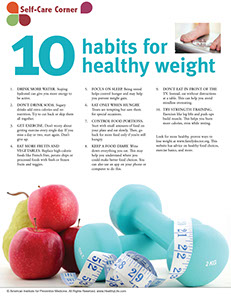
  • 10 Habits For Healthy Weight

    SELF-CARE CORNER

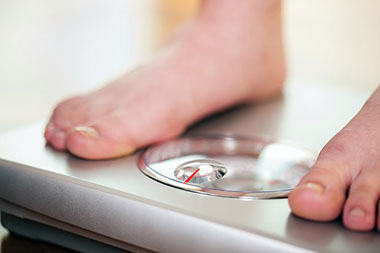
    Image of feet on a scale.

    1.  Drink more water. Staying hydrated can give you more energy to be active.

    2.  Don’t drink soda. Sugary drinks add extra calories and no nutrition. Try to cut back or skip them all together.

    3.  Get exercise. Don’t worry about getting exercise every single day. If you miss a day or two, start again. Don’t give up.

    4.  Eat more fruits and vegetables. Replace high-calorie foods like French fries, potato chips or processed foods with fresh or frozen fruits and veggies.

    5.  Focus on sleep. Being rested helps control hunger and may help you prevent weight gain.

    6.  Eat only when hungry. Treats are tempting but save them for special occasions.

    7.  Control food portions. Start with small amounts of food on your plate and eat slowly. Then, go back for more food only if you’re still hungry.

    8.  Keep a food diary. Write down everything you eat. This may help you understand where you could make better food choices. You can also use an app on your phone or computer to do this.

    9.  Don’t eat in front of the TV. Instead, eat without distractions at a table. This can help you avoid mindless overeating.

    10. Try strength training. Exercises like leg lifts and push-ups build muscle. This helps you burn more calories, even while resting.

    Look for more healthy, proven ways to lose weight atwww.familydoctor.org. This website has advice on healthy food choices, exercise basics, and more.

    © American Institute for Preventive Medicine

  • Is Yoga For You?

    BE FIT

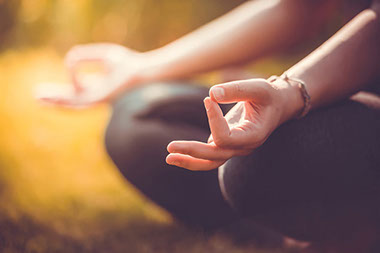
    Close up image of female hands while in a yoga pose.

    Yoga is an ancient Indian practice that engages the mind and body. There are many different forms of yoga, and the type you choose should suit your health and fitness goals. Check out these more popular types of yoga.

    Hatha

    Hatha yoga is a general term for any type of yoga. But in general, hatha classes focus on perfecting and holding yoga poses and proper breathing. It can be relaxing, as it is generally slower paced. You may not get an aerobic workout from hatha yoga, but it can improve your strength, balance and flexibility. Hatha classes are usually geared towards beginners.

    Vinyasa

    This is a faster-paced style of yoga that moves quickly from pose to pose, sometimes with upbeat music. You may work up a sweat and get a good cardiovascular workout. Before trying vinyasa, be sure you are familiar with basic yoga poses so you can follow along. It is often suitable for all skill levels, as the poses can be modified to fit your comfort and ability.

    Ashtanga

    This style uses the same six poses in an identical order or sequence. It can be repetitive, but allows people to follow a set routine. This tends to be a more fast-paced and vigorous style of yoga. You may get hot and will need to drink plenty of fluids.

    Bikram

    Bikram yoga, sometimes called hot yoga, is done in a heated room and is designed to make participants sweat heavily during the class. Bikram involves a set of 26 poses and two breathing exercises during a 90-minute class. Though it’s a predictable sequence, the heat makes it a strenuous activity. Though studies haven’t proven its safety or risks for sure, it is not right for everyone. Always ask your doctor before trying any kind of hot yoga. The excess heat may cause heat-related illnesses in some people.

    © American Institute for Preventive Medicine