Tag: bleeding

  • Should You Be Taking Daily Aspirin?

    SELF-CARE CORNER

    An open pill bottle with aspirin spilled out.

    Taking a low dose aspirin every day can lower the chance of a heart attack. But that doesn’t mean that a daily aspirin is right for everyone. The National Institutes of Health says some people take aspirin each day – but they shouldn’t. The NIH has new guidelines about who should or should not take it.

    What does aspirin do?

    Aspirin is a non-steroidal anti-inflammatory drug (NSAID). It is a pain reliever for headaches and other aches and pains.

    Aspirin also thins the blood. This can prevent clots that can lead to a heart attack or stroke. Taking a low-dose aspirin every day can be life-saving for many people. However, aspirin also has risks. It can cause bleeding in the stomach and brain bleeding in rare cases.

    New guidelines to follow

    Researchers think many people are taking aspirin without their doctor’s approval. This can mean they could put themselves in danger of bleeding or stomach problems. Aspirin can also interact with other medications or supplements.

    Experts no longer think everyone over age 70 should take daily aspirin. People who have a low risk of heart attack or stroke may not need it. Also, people who have a higher risk of bleeding – no matter what age – should not take it.

    People who benefit from daily aspirin have a higher risk of heart attack or stroke. They may have already had a heart attack or stroke in the past. They may have a family history of heart problems or other risk factors.

    The best protection

    If you don’t need daily aspirin, you can help prevent heart disease with simple healthy habits.

    *  Get more exercise.

    *  Eat a heart-healthy diet.

    *  Don’t smoke.

    *  Get regular cholesterol and blood pressure checks.

    What’s the bottom line?Don’t start taking daily aspirin unless your doctor says you should. And, tell your doctor and pharmacist about all medications and supplements you take.

    Sources: American Heart Association, National Institutes of Health

    © American Institute for Preventive Medicine

  • Major Illness Warning Signs

    Medical Care

    It is better to prevent an illness than to get it. The next best thing is to detect and treat an illness early.

    Prevention

    *  Maintain a healthy body weight.

    *  Do regular exercise.

    *  Eat healthy.

    – Eat 5 or more servings of fruits and vegetables a day. Eat whole-grain breads, cereals, and bran. Eat kidney and other beans, peas, and soy foods, such as tofu.

    – Have 20 to 35 grams of dietary fiber a day.

    – Follow a low saturated fat diet. Strictly limit trans fats.

    – Limit cholesterol to 300 milligrams per day.

    – Eat salt-cured, salt-pickled, and smoked foods only once in a while, if at all.

    *  Limit alcohol to 2 drinks per day for men; 1 drink per day for women and persons age 65 and older.

    *  Don’t smoke or use tobacco products. Avoid secondhand smoke.

    *  Limit exposure to cancer causing agents, such as asbestos, pesticides, etc.

    *  Have X-rays only when needed.

    *  Limit your exposure to the sun, sun lamps, and tanning booths. When you are in the sun, protect your skin.

    *  Manage stress.

    *  Take the medicines your doctor prescribes.

    *  Talk to your doctor about taking vitamins, minerals, and other supplements.

    *  Have regular health screenings.

    *  Ask your doctor if there are other things you can do to lower your risk for health problems, especially if you are at a high risk for them. Examples include:

    – Breast cancer

    – Diabetes

    – Heart disease

    – High blood pressure

    – Osteoporosis

    – Stroke

    * Adults should also be screened for alcohol misuse, depression, obesity, and tobacco use. If you are at an increased risk for an illness, tests may need to be done sooner. Extra tests, such as screenings for diabetes, may also be needed. Follow your doctor’s advice.

    1. Screening guidelines vary with different health groups. For ages 40-49 and 75+, discuss your risk for breast cancer and the pros and cons of screening with your doctor. If you are at a high risk for breast cancer, seek expert medical advice about screening and prevention.

    2. Prostate-specific antigen (PSA) blood test screening guidelines vary with different health groups. Ask your doctor if and at what age you should start discussing the benefits and risks of getting PSA blood tests.

    Cancer

    When cancer first develops, there may be no pain or other signs. That’s why screening tests are important. As different types of cancers grow, warning signs may be present. These signs may be due to problems other than cancer, too. See your doctor to find out. In many cases, the sooner cancer is found and treated, the better the chances for a full recovery.

    For Bladder Cancer

    *  Blood in the urine. The color of the urine can be deep red or it can be a faint rust or smokey color.

    *  Pain when you urinate.

    *  The need to urinate often or urgently.

    For Breast Cancer

    *  A lump or thickening: In the breast; in the surrounding area; along the collar bone and below the breast; or in the underarm area.

    *  A change in the size or shape of the breast.

    *  A nonmilky or bloody discharge from the nipple.

    *  A change in the color or feel of the skin of the breast, nipple, or areola (the brown or pink area around the nipple). Dimpled, puckered, or scaly skin.

    For Colon and Rectal Cancers

    *  A change in bowel habits.

    *  Constipation. Having stools more often and/or loose stools.

    *  A feeling that the bowel does not empty all the way.

    *  Blood in or on the stool. This can be bright red or very dark in color.

    *  Stools that are more narrow than usual.

    *  Stomach bloating, fullness, and/or cramps.

    *  Frequent gas pains.

    *  Weight loss for no known reason.

    *  Constant tiredness.

    For Kidney Cancer

    *  Blood in the urine.

    *  A lump or mass that can be felt in the kidney area.

    *  A dull ache or pain in the back or side.

    *  An unexplained cough for more than 3 weeks.

    For Lung Cancer

    *  A cough that doesn’t go away. This could be a “smoker’s cough” that gets worse.

    *  Constant chest pain. Back pain in some persons.

    *  Hoarseness.

    *  Shortness of breath and wheezing.

    *  Recurring pneumonia or bronchitis.

    *  Coughing up blood.

    *  Fatigue, appetite loss and weight loss.

    *  Weakness in your shoulder, arm, or hand.

    For Ovarian Cancer

    Often, there are no early symptoms. When symptoms appear, they include:

    *  Swelling, bloated feeling, or discomfort in the lower abdomen.

    *  Feeling full even after a light meal. Loss of appetite and weight.

    *  Gas. Indigestion. Nausea.

    *  Diarrhea, constipation, or frequent urination.

    *  Bleeding from the vagina.

    Often, the cancer has spread by the time it is found.

    For Prostate Cancer

    Early prostate cancer often does not cause symptoms. When symptoms occur, they may include:

    *  A need to pass urine often, especially at night.

    *  A hard time starting to urinate, holding back urine, or not being able to pass urine.

    *  Weak or interrupted flow of urine.

    *  Pain or burning feeling when you pass urine.

    *  Pain when you ejaculate.

    *  Blood in the urine or semen.

    *  Frequent pain or stiffness in the lower back, hips, or upper thighs.

    For Testicular Cancer

    *  A lump in a testicle

    *  A feeling of heaviness in the scrotum

    *  A dull ache in the lower abdomen or groin

    *  A sudden build up of fluid in the scrotum

    *  Pain or discomfort in a testicle or the scrotum

    *  Enlarged or tender breasts

    Males aged 15 and older should do a testicular self-exam (TSE) if and as often as advised by their doctors to look for any lumps or changes in the size or shape of a testicle.

    For Throat Cancer

    *  Hoarseness or other changes in the voice

    *  A lump on the neck or feeling of a lump in the throat

    *  A cough that doesn’t go away

    *  A hard time swallowing. A feeling of fullness, pressure, or burning when swallowing.

    *  Repeated cases of indigestion and heartburn. Frequent vomiting or choking on food.

    *  Pain behind the breastbone or in the throat

    Basal and Squamous Cell Cancers

    *  Basal cell. More than 90% of all skin cancers in the U.S. are this type. It grows slowly. It seldom spreads to other parts of the body.

    *  Squamous cell. This type of skin cancer spreads more often than the basal cell type. It is still rare for it to spread, though.

    Basal and squamous cell cancers are found mainly on areas of the skin that are exposed to the sun, like the head, face, neck, hands, and arms. These skin cancers can occur anywhere, though.

    Early Warning Signs of Basal and Squamous Cell Cancers

    Small, smooth, shiny, pale, or waxy lump.

    Firm red lump.

    A lump that bleeds or develops a crust.

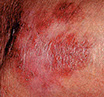
    A flat, red spot that is rough, dry, or scaly.

    Warning Signs of Melanoma

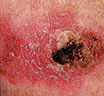
    The first sign can be a change in an existing mole or a new or “ugly-looking” mole. The letters “ABCDE” can identify signs.

    Skin Self-Exam

    *  Do an exam monthly, after a shower or bath. To check your skin, use:

    – A well-lit room

    – A full-length mirror

    – A hand-held mirror

    *  Locate your birthmarks, moles, and blemishes. Check for a change in the size, texture, or color of a mole. Check for a sore that does not heal.

    Check all areas.

    1.  Look at the front and back of your body in the mirror. Raise your arms and look at your left and right sides.

    2.  Bend your elbows and look carefully at the palms of your hands. Look at both sides of your forearms and upper arms.

    3.  Look at the back and front of your legs. Look between the buttocks and around the genital area.

    4.  Sit and closely examine your feet. Look at the soles and between the toes.

    5.  Look at your face, neck, and scalp. Use a comb to move your hair so you can see your scalp.

    See your doctor if you find anything unusual.

    Diabetes

    One in three people who have diabetes do not know they have it. See your doctor if you have one or more of the signs listed below.

    Signs of Diabetes:

    * Frequent urination

    * Excessive thirst

    * Extreme hunger

    * Unusual weight loss

    * Increased fatigue

    * Irritability

    * Blurry vision

    In type 1 diabetes, symptoms tend to come on quickly. With this type, the body either makes no insulin or only very small amounts.

    In type 2 diabetes, symptoms tend to come on more slowly. The body does not make enough insulin or can’t use it the right way. This type most often occurs in persons who are over age 40, are overweight, and who don’t exercise.

    Pre-diabetes occurs before type 2 diabetes. Getting diagnosed and treated for this can keep you from getting type 2 diabetes.

    Diabetes can be present without symptoms. Follow your doctor’s advice to screen for diabetes. Early detection and treatment lower the chances of diabetes complications.

    Heart Attack

    Heart Attack Warning Signs

    If heart attack warning signs occur, call 9-1-1 or your local rescue squad right away!

    See your doctor if you have one or more of these signs and symptoms:

    *  Chest discomfort. Most heart attacks involve discomfort in the center of the chest that lasts for more than a few minutes or goes away and comes back. The discomfort feels like pressure, fullness, squeezing or pain.

    *  Discomfort in other areas of the upper body. This can include pain or discomfort in one or both arms or in the back, neck, jaw, or stomach.

    *  Shortness of breath. Often, this comes with chest discomfort. But it can also come before the chest discomfort.

    *  Other symptoms. These can include breaking out in a cold sweat, nausea, or being lightheaded.

    The most common heart attack symptom for both men and women is chest pain or discomfort. But women are more likely than men to have some of the other common signs, especially shortness of breath, nausea or vomiting, and back or jaw pain.

    Lupus

    Lupus is an immune system disorder. It can affect the skin, joints, kidneys, and nervous system.

    Warning signs of lupus:

    *  Joints ache and swell for more than 3 months.

    *  Fingers get pale, numb, or ache in the cold temperatures.

    *  Mouth sores last for more than 2 weeks.

    *  Blood tests show: Anemia; low white cell count, or low platelet count; and/or protein in the urine.

    *  A rash occurs across the nose and cheeks. It lasts for more than 1 month.

    *  Skin rash (not sunburn) occurs after being in the sun.

    *  Pain lasts for more than 2 days when taking deep breaths.

    *  A seizure or convulsion occurs.

    Let your doctor know if you have or have had any of these warning signs. Having 3 or more of these signs may suggest lupus.

    Stroke

    Stroke Warning Signs

    *  Sudden numbness or weakness of the face, arm or leg, especially on one side of the body

    *  Sudden confusion, trouble speaking or understanding

    *  Sudden trouble seeing in one or both eyes

    *  Sudden trouble walking, dizziness, loss of balance or coordination

    *  Sudden severe headache with no known cause

    If stroke warning signs occur, call 9-1-1 or your local rescue squad right away!

    Cover image to the Major Illness Warnings brochure by the American Institute for Preventive Medicine. www.HealthyLife.com. All rights reserved.

    © American Institute for Preventive Medicine

  • Colon & Rectal Cancers

    Abdominal & Urinary Conditions

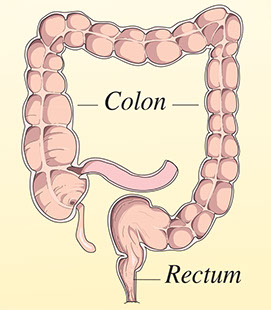
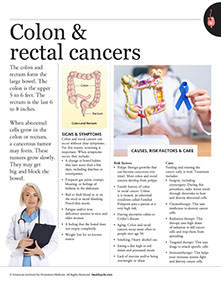
    The colon and rectum form the large bowel. The colon is the upper 5 to 6 feet. The rectum is the last 6 to 8 inches. When abnormal cells grow in the colon, a cancerous tumor may form. Colon tumors grow slowly. They may get big and block the bowel.

    Illustration of colon and rectum.

    Signs & Symptoms

    Colon and rectal cancers can occur without clear symptoms. For this reason, screening is important. When symptoms occur, they include:

    *  A change in bowel habits for 2 or more weeks or constipation or diarrhea for 1 or more weeks.

    *  Frequent gas pains, cramps, bloating, or feelings of fullness in the abdomen

    *  Red or dark blood in or on the stool or rectal bleeding. Pencil thin stools.

    *  Fatigue and/or iron deficiency anemia in men and older women

    *  A feeling that the bowel does not empty completely

    *  Weight loss for no known reason

    Causes, Risk Factors & Care

    Risk factors for colon and rectal cancers:

    *  Polyps (benign growths that can become cancerous over time). Most colon and rectal cancers develop from polyps.

    *  Family history of colon or rectal cancer. Unless it is treated, an inherited condition called Familial Polyposis puts a person at a very high risk.

    *  Having ulcerative colitis or Crohn’s disease.

    *  Aging. Colon and rectal cancers occur most often in people over age 50.

    *  Smoking. Heavy alcohol use.

    *  Eating a diet high in animal fat and low in fiber

    *  Lack of exercise and/or being very overweight

    Finding and treating the cancer early is vital. Treatment includes surgery, chemotherapy, and radiation therapy.

    Self-Care / Prevention

    Self-Care:

    *  Schedule and go to follow-up exams.

    *  Join a cancer support group.

    *  Follow a high fiber, low-fat diet. Eat whole-grain breads and cereals. Have at least 5 servings of vegetables and fruits a day.

    Prevention

    Colon and rectal cancers are completely curable if found early. Have screening tests as advised by your doctor.

    *  High-sensitivity fecal occult blood test

    *  Flexible sigmoidoscopy

    *  Colonoscopy

    How often testing needs to be done depends on the test(s) given. {Note: If you have a family history of colon polyps or colon or rectal cancers, screening tests may need to be started sooner than age 50.}

    *  Have colon polyps removed.

    *  Eat plenty of fruits, vegetables, and whole grains. Limit fat.

    When to Seek Medical Care

    Contact Doctor When:

    *  You have any symptoms of colon and rectal cancer listed on this page.

    *  You need to schedule screening tests for colon and rectal cancer. Follow the schedule your doctor advises.

    Resources

    The National Cancer Institute

    800.4.CANCER (422-6237)

    www.cancer.gov

    The American Cancer Society

    800.227.2345

    www.cancer.org

    Healthier at Home book by the American Institute for Preventive Medicine. www.HealthyLife.com. All rights reserved.

    © American Institute for Preventive Medicine

  • Fibroids

    Women’s Health

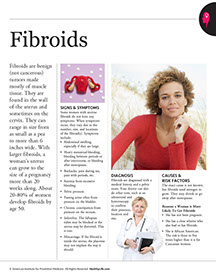
    Fibroids are benign (not cancerous) tumors made mostly of muscle tissue. They are found in the wall of the uterus and sometimes on the cervix. They can range in size from as small as a pea to more than 6 inches wide. With larger fibroids, a woman’s uterus can grow to the size of a pregnancy more than 20 weeks along. About 20% to 25% of women over the age of 35 get fibroids.

    Signs & Symptoms

    Some women with uterine fibroids do not have any symptoms. When symptoms occur, they vary due to the number, size, and locations of the fibroid(s). Symptoms include:

    *  Abdominal swelling, especially if they are large.

    *  Heavy menstrual bleeding, bleeding between periods or after intercourse, or bleeding after menopause.

    *  Backache, pain during sex, pain with periods, etc.

    *  Anemia from excessive bleeding.

    *  Pelvic pressure.

    *  Passing urine often from pressure on the bladder.

    *  Chronic constipation from pressure on the rectum.

    *  Infertility. The fallopian tubes may be blocked or the uterus may be distorted.

    *  Miscarriage. If the fibroid is inside the uterus, the placenta may not implant the way it should.

    Diagnosis

    Fibroids are diagnosed with a medical history and a pelvic exam. Your doctor can also do other tests, such as an ultrasound and hysteroscopy to confirm their presence, location, and size.

    Causes & Risk Factors

    Reasons a Woman is More Likely To Get Fibroids

    *  She has not been pregnant.

    *  She has a close relative who also had or has fibroids.

    *  She is African American. The risk is three to five times higher than it is for Caucasian women.

    The exact cause is not known, but fibroids need estrogen to grow. They may shrink or go away after menopause.

    Treatment

    “Watchful waiting”

    Your doctor will “watch” for any changes and may suggest “waiting” for menopause, since fibroids often shrink or disappear after that time. If you have problems during this “waiting” period, you may decide that you do not want to “wait” for menopause, but choose to have something done to treat your fibroids. Problems include: Too much pain; too much bleeding; an abdomen that gets too big; the need to take daily iron to prevent anemia; and other abdominal problems.

    Medication

    One type is called GnRH agonists. These block the production of estrogen by the ovaries. This shrinks fibroids in some cases, but is not a cure. The fibroids return when the medicine is stopped. Shrinking the fibroids might allow a minor surgery (with less blood loss) to be done instead of a major one. GnRH agonists are taken for a few months, but not more than six, because their side effects mimic menopause and may lead to osteoporosis. In some cases, GnRH agonists can be used longer with “Add Back Therapy.” This uses low dose estrogen to make side effects milder.

    Surgery Methods Include:

    *  Myomectomy. The fibroids are removed. The uterus is not. This can be done using a laparoscope and a laser (laparoscopy). The fibroids could also be cut out using a resectoscope (hysteroscopy). Fibroids can be removed under direct vision during abdominal surgery (laparotomy). Myomectomy methods may allow fibroids to grow back. The more fibroids there are to begin with, the greater the chance they will grow back.

    *  Procedures to destroy the uterine lining. These do not remove fibroids or the uterus, but stop or lighten menstrual flow from then on. The uterine lining can be destroyed using a laser, heat, or ultra cold.

    *  Uterine artery embolization. A catheter is inserted in a large blood vessel in the groin and sent to the level of the uterine arteries. A substance is given that blocks blood flow to the uterine arteries that nourish the fibroids. This treatment shrinks the fibroids.

    *  Hysterectomy. This surgery removes the uterus and the fibroids with it. This method is advised when the fibroid is very large or when other treatments don’t stop severe bleeding. It is the only way to get rid of fibroids for sure. A women can no longer get pregnant after the surgery. This treatment is also advised if the fibroid is cancerous. This rarely occurs.

    Questions to Ask

    Self-Care / Prevention

    *  Take medications as advised.

    *  Maintain a healthy body weight. Follow a diet low in fat. The more body fat you have, the more estrogen your body is likely to have. This promotes fibroid growth.

    *  Do regular exercise. This may reduce your body’s fat and estrogen levels.

    Resources

    National Women’s Health Information Center

    www.womenshealth.gov

    Women's Self-Care book by the American Institute for Preventive Medicine. www.HealthyLife.com. All rights reserved.

    © American Institute for Preventive Medicine

  • Gum (Periodontal) Disease

    Dental & Mouth Concerns

    Image of women sitting in dental chair shaking hands with the dentist.

    Signs, Symptoms & Causes

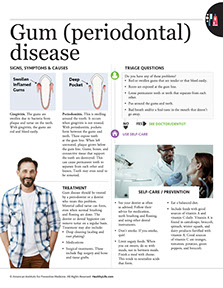
    Gum (periodontal) diseases include:

    Gingivitis. The gums are swollen due to bacteria from plaque and tartar on the teeth. With gingivitis, the gums are red and bleed easily.

    Periodontitis. This is swelling around the tooth. It occurs when gingivitis is not treated. With periodontitis, pockets form between the gums and teeth. These expose teeth at the gum line. When left untreated, plaque grows below the gum line. Gums, bones, and connective tissue that support the teeth are destroyed. This can cause permanent teeth to separate from each other and loosen. Teeth may even need to be removed.

    Treatment

    Gum disease should be treated by a periodontist or a dentist who treats this problem. Material called tartar can form, even when normal brushing and flossing are done. The dentist or dental hygienist can remove tartar on a regular basis. Treatment may also include:

    *  Deep cleaning (scaling and root planing).

    *  Medications.

    *  Surgical treatments. These include flap surgery and bone and tissue grafts.

    Questions to Ask

    Self-Care / Prevention

    *  See your dentist as often as advised. Follow his or her advice for medication, teeth brushing and flossing and using other dental instruments.

    *  Don’t smoke. If you smoke, quit.

    *  Eat a balanced diet.

    *  Limit sugary foods. When you eat sweets, do so with meals, not in between meals. Finish a meal with cheese. This tends to neutralize acids that form.

    *  Include foods with good sources of vitamin A and vitamin C daily. Vitamin A is found in cantaloupe, broccoli, spinach, winter squash, and dairy products fortified with vitamin A. Good sources of vitamin C are oranges, tomatoes, potatoes, green peppers, and broccoli.

    Healthier at Home book by the American Institute for Preventive Medicine. www.HealthyLife.com. All rights reserved.

    © American Institute for Preventive Medicine

  • Nosebleeds

    Ear, Nose & Throat Conditions

    Signs & Symptoms

    *  Bleeding from a nostril.

    *  Bleeding from the nose and down the back of the throat.

    Causes

    Nosebleeds are often caused by broken blood vessels just inside the nose. Risk factors include:

    *  A cold or allergies.

    *  A dry environment.

    *  Frequent nose blowing and picking.

    *  Using too much nasal spray.

    *  A punch or other blow to the nose.

    A nosebleed is serious when heavy bleeding from deep within the nose is hard to stop. This type occurs most often in the elderly. It can be caused by: Hardening of nasal blood vessels; high blood pressure; and medicines that treat blood clots.

    Treatment

    Self-care treats most nosebleeds. A doctor can pack the nostril to stop the bleeding or do a treatment that seals the blood vessel that bleeds.

    Questions to Ask

    Self-Care / Prevention

    *  Sit with your head leaning forward. Pinch the nostrils shut. Use your thumb and forefinger to gently squeeze the nose’s midsection.

    *  Hold for up to 20 minutes without stopping. Use a clock to time this. Breathe through your mouth while you do this. Repeat a second time, if needed. If a second attempt fails, go to an urgent care center or hospital emergency department. Don’t take aspirin or other nonsteroidal anti-inflammatory drugs.

    *  For the next 24 hours, elevate your head above the level of your heart. Also, try not to blow your nose, lift heavy objects, or exercise hard.

    *  Use a humidifier or cool-mist vaporizer to add moisture to household air.

    Healthier at Home book by the American Institute for Preventive Medicine. www.HealthyLife.com. All rights reserved.

    © American Institute for Preventive Medicine

  • Rectal Problems

    Abdominal & Urinary Conditions

    The rectum is the lowest part of the large bowel (colon). The opening of the rectum is the anus. Stool are passed from the anus.

    Signs & Symptoms

    *  Rectal pain.

    *  Rectal bleeding.

    *  Anal itching.

    *  Redness, swelling, or a rash in the rectal area.

    Causes

    Often there is no clear cause. Persons with diabetes and liver disease are more prone to rectal itching.

    For Anal / Rectal Pain and/or Bleeding

    *  Constipation. Straining to pass stool. Hemorrhoids.

    *  Anal fissures. These are splits or tears in the skin around the anus.

    *  Polyps or small growths.

    *  Injury due to anal intercourse or the insertion of a foreign object.

    *  Blockage in the intestines.

    *  Colon or rectal cancer.

    For Anal / Rectal Itching

    *  Dry skin. Products that irritate or cause a skin allergy in the anal area. Examples are over-the-counter anesthetic ointments that end in “caine,” such as benzocaine.

    *  Hemorrhoids.

    *  Psoriasis. This is a chronic skin disease. With this, itchy, scaly red patches form on a part of the body.

    *  Pinworms. These are intestinal parasites. They usually affect children. The anal itching is at night and can be painful.

    *  A fungal infection.

    Treatment

    Treatment for rectal problems depends on the cause. Any sign of rectal bleeding should be evaluated by a doctor. This includes blood on toilet paper. Colon cancer should be checked for, despite the person’s age or family history of this disease.

    Questions to Ask

    Self-Care / Prevention

    For Anal / Rectal Bleeding

    *  Don’t lift heavy things.

    *  Stop taking anti-inflammatory medicines and/or aspirin (unless prescribed and monitored by your doctor).

    *  Don’t strain to pass stool.

    For Anal / Rectal Itching

    *  Practice good hygiene. Clean the rectal area daily.

    *  Use an over-the-counter ointment, such as one with zinc oxide or one for hemorrhoids, such as Preparation H. Follow package directions.

    *  Wear clothes and undergarments that fit loosely.

    *  Take a warm bath or sitz bath. A sitz bath is a shallow, warm water bath. You can get a sitz bath device from a medical supply company and some drug stores. Then dry the rectal area well. Use talcum powder, as needed.

    *  Take warm tub baths.

    *  Lose weight if you are overweight.

    *  If you are diabetic, keep blood sugar under control.

    *  For pinworms:

    – Check for pinworms in this way: In a dark room, a few hours after bedtime, shine a flashlight on the anus. Pinworms, if present, will go back into the anus when the flashlight is shined on them.

    – Wash the hands often.

    – Keep fingernails closely trimmed.

    – Try to get your child to not suck his thumb and not bite his nails.

    – Wash underwear and bed linen in hot soapy water.

    – If medication for pinworms is prescribed, use it as directed.

    For Rectal Pain

    *  Take warm baths.

    *  Use a warm water sitz bath for 15 minutes, 2 to 3 times a day.

    *  Put towels soaked in warm water on the anal area. Or, apply a cold compress to the painful area, if this helps with the pain. You can buy a sitz bath from a medical supply or drug store.

    *  Follow measures to prevent constipation.

    *  Don’t strain to pass stool.

    *  Keep the rectal area clean.

    *  Use soft, plain, unscented, two-ply toilet paper. Take your own toilet paper to work or other places that may use harsh paper. Use wet, not dry, toilet paper, if that helps.

    *  Use an over-the-counter wipe, such as Tucks, after using toilet paper.

    *  Don’t sit for long periods of time. When you do sit, raise your legs, as often as you can.

    *  If needed, take an over-the-counter medicine for pain as directed.

    Healthier at Home book by the American Institute for Preventive Medicine. www.HealthyLife.com. All rights reserved.

    © American Institute for Preventive Medicine

  • Take A Good Look At Your Gums

    Dental & Mouth Concerns

    Image of man at the dentist office looking at xrays.

    Plaque buildup, crooked teeth, illness, poorly fitting dentures, trapped food particles, and certain medications can irritate or destroy your gums. With good oral hygiene, however, you can prevent gum (periodontal) disease. If caught in the early stages, gum disease is easily treated. If ignored, the gums and supporting tissues wither, and your teeth may loosen and fall out.

    Knowing the signs and symptoms of periodontal disease is important for early treatment. Pay attention to the following:

    *  Swollen red gums that bleed easily (a condition called gingivitis).

    *  Teeth that are exposed at the gum line (a sign that gums have pulled away from the teeth).

    *  Permanent teeth that are loose or separate from each other.

    *  Bad breath and a foul taste in the mouth.

    *  Pus around the gums and teeth.

    A Year of Health Hints book by the American Institute for Preventive Medicine. www.HealthyLife.com. All rights reserved.

    © American Institute for Preventive Medicine

  • Uterine Cancer

    Women’s Health

    The uterus (womb) is a hollow, pear- shaped organ in a female’s lower abdomen between the bladder and the rectum. Cancer of the uterus most often affects the endometrium, the lining of the uterus, so is also called endometrial cancer. It is the most common reproductive cancer in women. Most women diagnosed with uterine cancer are between the ages of 50 and 70. When found and treated early, though, more than 90% of cases can be cured.

    Signs & Symptoms

    *  Abnormal bleeding, spotting, or discharge from the vagina is the most common symptom.

    *  Any vaginal bleeding or spotting after menopause. The bleeding can begin as a watery, blood-streaked discharge. Later it can contain more blood.

    {Note: Some cases of uterine cancer can be detected by a Pap test, but this is used to detect cervical cancer. Even if you have had a recent normal Pap test, see your doctor if you have post menopausal vaginal bleeding.}

    Cancer of the uterus does not often occur before menopause. It can occur around the time menopause begins, though.

    When bleeding stops and starts up again, let your doctor know. If you are on hormone therapy, you may have regular cyclic bleeding.

    Causes, Risk Factors & Care

    The risk for uterine cancer is greater if you have had increased exposure to estrogen from one or more of the following:

    *  Late menopause or early menstruation

    *  Irregular periods or ovulation

    *  Polycystic ovarian disease. The ovaries become enlarged and contain many cysts due to hormone imbalances.

    *  Obesity. Women who are obese make more estrogen.

    *  Estrogen therapy. {Note: Estrogen therapy increases the risk for uterine cancer. Giving progestin with estrogen can dramatically reduce the risk.}

    Other risk factors include:

    *  A history of infertility

    *  A history of endometrial hyperplasia. This is abnormal thickening of the endometrium.

    *  A history of breast, colon, or ovarian cancer

    *  Diabetes

    Treatment includes one or more of the following:

    *  Surgery. Most women have a total hysterectomy. This removes the uterus, cervix, fallopian tubes, and ovaries.

    *  Radiation therapy

    *  Chemotherapy

    *  Hormonal therapy

    *  Clinical trials

    Self-Care

    Medical care, not self-care, is needed for uterine cancer.

    When to Seek Medical Care

    Contact Doctor When

    *  You have any “Signs & Symptoms” of uterine cancer.

    *  You need to schedule your yearly pelvic exam.

    Resources

    National Cancer Institute

    1-800-4-CANCER (422-6237)

    www.cancer.gov

    Health at Home Lifetime book by the American Institute for Preventive Medicine. www.HealthyLife.com. All rights reserved.

    © American Institute for Preventive Medicine