Tag: Blood Cancer

  • Blood Cancer: Key Facts

    MEDICAL NEWS

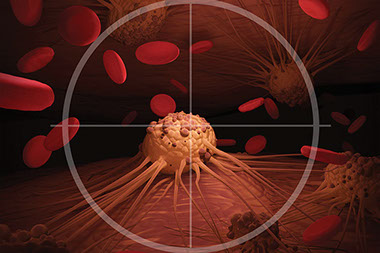
    Illustration of cancer attacking blood cells.

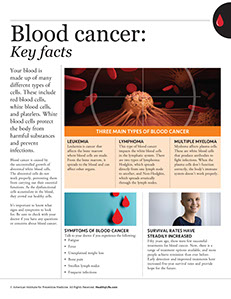
    Your blood is made up of many different types of cells. These include red blood cells, white blood cells, and platelets. White blood cells protect the body from harmful substances and prevent infections.

    Blood cancer is caused by the uncontrolled growth of abnormal white blood cells. The abnormal cells do not work properly, preventing them from carrying out their essential functions. As the dysfunctional cells accumulate in the blood, they crowd out healthy cells.

    It’s important to know what signs and symptoms to look for. Be sure to check with your doctor if you have any questions or concerns about blood cancer.

    Three main types of blood cancer

    Leukemia

    Leukemia is cancer that affects the bone marrow where blood cells are made. From the bone marrow, it spreads to the blood and can affect other organs.

    Lymphoma

    This type of blood cancer impacts the white blood cells in the lymphatic system. There are two types of lymphoma: Hodgkin, which spreads directly from one lymph node to another, and Non-Hodgkin, which spreads erratically through the lymph nodes.

    Multiple myeloma

    Myeloma affects plasma cells. These are white blood cells that produce antibodies to fight infections. When the plasma cells don’t function correctly, the body’s immune system doesn’t work properly.

    Symptoms of blood cancer

    Talk to your doctor if you experience the following:

    *  Fatigue

    *  Fever

    *  Unexplained weight loss

    *  Bone pain

    *  Swollen lymph nodes

    *  Frequent infections

    Survival rates have steadily increased

    Fifty years ago, there were few successful treatments for blood cancer. Now, there is a range of treatment options available, and more people achieve remission than ever before. Early detection and improved treatments have increased five-year survival rates and provide hope for the future.
    © American Institute for Preventive Medicine
  • What Is Lymphoma?

    MEDICAL NEWS

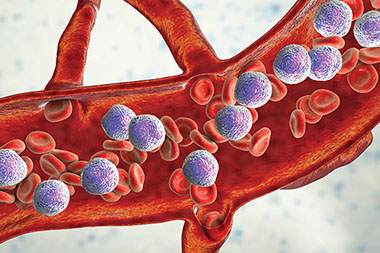
    Illustration of vein with blood cells.

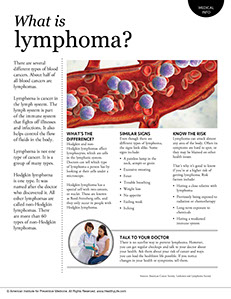
    There are several different types of blood cancers. About half of all blood cancers are lymphomas. Lymphoma is cancer in the lymph system. The lymph system is part of the immune system that fights off illnesses and infections. It also helps control the flow of fluids in the body.

    Lymphoma is not one type of cancer. It is a group of many types.

    Hodgkin lymphoma is one type. It was named after the doctor who discovered it. All other lymphomas are called non-Hodgkin lymphomas. There are more than 60 types of non-Hodgkin lymphomas.

    What’s the difference?

    Hodgkin and non-Hodgkin lymphomas affect lymphocytes, which are cells in the lymphatic system. Doctors can tell which type of lymphoma a person has by looking at their cells under a microscope.

    Hodgkin lymphoma has a special cell with two centers, or nuclei. These are known as Reed-Sternberg cells, and they only occur in people with Hodgkin lymphoma.

    Similar signs

    Even though there are different types of lymphoma, the signs look alike. Some signs include:

    *  A painless lump in the neck, armpit or groin

    *  Excessive sweating

    *  Fever

    *  Trouble breathing

    *  Weight loss

    *  No appetite

    *  Feeling weak

    *  Itching

    Know the risk

    Lymphoma can attack almost any area of the body. Often its symptoms are hard to spot, or they may be blamed on other health issues. That’s why it’s good to know if you’re at a higher risk of getting lymphoma. Risk factors include:

    *  Having a close relative with lymphoma

    *  Previously being exposed to radiation or chemotherapy

    *  Long-term exposure to chemicals

    *  Having a weakened immune system

    Talk to your doctor

    There is no surefire way to prevent lymphoma. However, you can get regular checkups and talk to your doctor about your health. Ask them about your risk of cancer and ways you can lead the healthiest life possible. If you notice changes in your health or symptoms, tell them.

    Sources: American Cancer Society, Leukemia and Lymphoma Society

    © American Institute for Preventive Medicine