Tag: blood pressure

  • The Lowdown On High Blood Pressure

    MEDICAL NEWS

    Image of women having her blood pressure checked.

    Because 1 in 3 American adults suffers from high blood pressure, regular and accurate blood pressure checks are important for correctly diagnosing and treating hypertension (the medical term for high blood pressure).

    Dr. Robert Zelis, a cardiologist at Penn State Milton S. Hershey Medical Center, says there are three groups of people who may want to consider checking blood pressure on their own, in addition to having it measured at their annual physical exam.

    *  The first is those with so-called “white-coat hypertension.” These are patients who get so worked up about being in a doctor’s office that their readings will always be high there.

    *  The second is those who already take medication to control their blood pressure and need to monitor how it’s working.

    *  The third is those who suffer from chronic conditions such as diabetes or high cholesterol or who have risk factors such as obesity, smoking, or a strong family history of hypertension.

    Whether a blood pressure check is done at the doctor’s office or at home, it’s important to follow the same procedure:

    *  Make sure the blood pressure cuff is large enough and easy to use.

    *  Sit in a chair with a straight back, with both feet flat on the floor. Your legs should not be crossed.

    *  Make sure your arm is supported on something such as a table or armrest.

    *  Don’t take a measurement with the cuff placed on top of clothing. Bare skin is best.

    *  Wait 30 seconds after sitting down before you take your measurement.

    *  Take a second reading 30 seconds after you have finished the first to confirm your initial results.

    *  Take the measurements at the same time of day.

    *  Record your results to spot patterns.

    © American Institute for Preventive Medicine
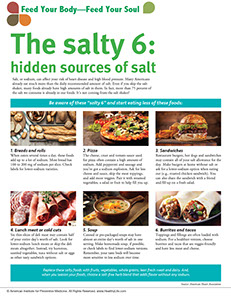
  • The Salty 6: Hidden Sources Of Salt

    HEALTHY EATING

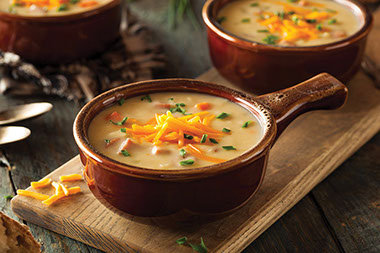
    Image of a bowl of soup.

    Salt, or sodium, can affect your risk of heart disease and high blood pressure. Many Americans already eat much more than the daily recommended amount of salt. Even if you skip the salt shaker, many foods already have high amounts of salt in them. In fact, more than 75 percent of the salt we consume is already in our foods. It’s not coming from the salt shaker! Be aware of these “salty 6” and start eating less of these foods:

    1. Breads and rolls

    When eaten several times a day, these foods add up to a lot of sodium. Most bread has 100 to 200 mg of sodium per slice. Check labels for lower-sodium varieties.

    2. Pizza

    The cheese, crust and tomato sauce used for pizza often contain a high amount of sodium. Add pepperoni and sausage and you’ve got a sodium explosion. Ask for less cheese and sauce, skip the meat toppings, and add more veggies. Pair it with steamed vegetables, a salad or fruit to help fill you up.

    3. Sandwiches

    Restaurant burgers, hot dogs and sandwiches may contain all of your salt allowance for the day. Make burgers at home without salt or ask for a lower-sodium option when eating out (e.g., roasted chicken sandwich). You can also share the sandwich with a friend and fill up on a fresh salad.

    4. Lunch meat or cold cuts

    Six thin slices of deli meat may contain half of your entire day’s worth of salt. Look for lower-sodium lunch meats or skip the deli meats altogether. Instead, try hummus, sautéed vegetables, tuna without salt or eggs as other tasty sandwich options.

    5. Soup

    Canned or pre-packaged soups may have almost an entire day’s worth of salt in one serving. Make homemade soup, if possible, or check labels to find lower-sodium versions. Remember, your taste buds will become more sensitive to less sodium over time.

    6. Burritos and tacos

    Toppings and fillings are often loaded with sodium. For a healthier version, choose burritos and tacos that are veggie-friendly and have less meat and cheese.

    Replace these salty foods with fruits, vegetables, whole grains, lean fresh meat and dairy. And, when you season your foods, choose a salt-free herb blend that adds flavor without any sodium.

    Source: American Heart Association

    © American Institute for Preventive Medicine