Tag: brain

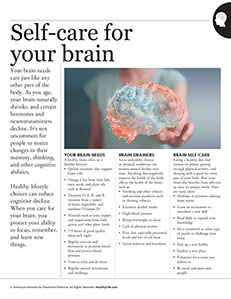
  • Self-Care For Your Brain

    SELF-CARE CORNER

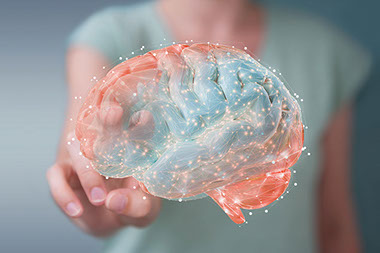
    Photo illustration of brain with hands reaching out to touch it.

    Your brain needs care just like any other part of the body. As you age, your brain naturally shrinks, and certain hormones and neurotransmitters decline. It’s not uncommon for people to notice changes in their memory, thinking, and other cognitive abilities.

    Healthy lifestyle choices can reduce cognitive decline. When you care for your brain, you protect your ability to focus, remember, and learn new things.

    Your brain needs

    A healthy brain relies on a healthy lifestyle:

    *  Quality nutrients that support brain cells

    *  Omega 3 fats from fatty fish, nuts, seeds, and plant oils such as flaxseed

    *  Vitamins D, E, K, and B vitamins from a variety of fruits, vegetables, and sunshine (Vitamin D)

    *  Minerals such as iron, copper, and magnesium from leafy greens and other plant foods

    *  7-9 hours of good quality sleep each night

    *  Regular exercise and movement to promote blood flow and protect blood pressure

    *  Time to relax and de-stress

    *  Regular mental stimulation and challenge

    Brain drainers

    Some unhealthy choices or physical conditions can worsen mental decline over time. Anything that negatively impacts the health of the body affects the health of the brain, such as:

    *  Smoking and other tobacco and nicotine products, such as chewing tobacco

    *  Excessive alcohol intake

    *  High blood pressure

    *  Being overweight or obese

    *  Lack of physical activity

    *  Poor diet, especially processed foods and lots of red meat

    *  Social isolation and loneliness

    Brain self-care

    Eating a healthy diet that focuses on plants, getting enough physical activity, and sleeping well is good for every part of your body. But, your brain also benefits from self-care to meet its unique needs. Here are some ideas:

    *  Meditate to promote calming brain waves

    *  Learn an instrument to introduce a new skill

    *  Read daily to expand your knowledge

    *  Do a crossword or other type of puzzle to challenge your brain

    *  Pick up a new hobby

    *  Explore a new place

    *  Volunteer for a cause you believe in

    *  Be social and meet new people
    © American Institute for Preventive Medicine

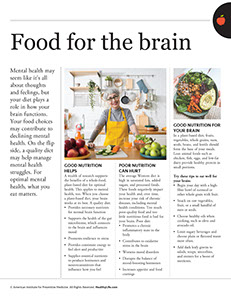
  • Food For The Brain

    HEALTHY EATING

    Women in kitchen with fresh food on counter.

    Mental health may seem like it’s all about thoughts and feelings, but your diet plays a role in how your brain functions. Your food choices may contribute to declining mental health. On the flip side, a quality diet may help manage mental health struggles. For optimal mental health, what you eat matters.

    Good nutrition helps

    A wealth of research supports the benefits of a whole-food, plant-based diet for optimal health. This applies to mental health, too. When you choose a plant-based diet, your brain works at its best. A quality diet:

    *  Provides necessary nutrients for normal brain function

    *  Supports the health of the gut microbiome, which connects to the brain and influences mood

    *  Promotes resilience to stress

    *  Provides consistent energy to feel alert and productive

    *  Supplies essential nutrients to produce hormones and neurotransmitters that influence how you feel

    Poor nutrition can hurt

    The average Western diet is high in saturated fats, added sugars, and processed foods. These foods negatively impact your health and, over time, increase your risk of chronic diseases, including mental health conditions. Too much poor-quality food and too little nutritious food is bad for your brain. Poor diet:

    *  Promotes a chronic inflammatory state in the body

    *  Contributes to oxidative stress in the brain

    *  Worsens mood disorders

    *  Disrupts the balance of mood-boosting hormones

    *  Increases appetite and food cravings

    Good nutrition for your brain

    In a plant-based diet, fruits, vegetables, whole grains, nuts, seeds, beans, and lentils should form the base of your meals. Lean animal foods such as chicken, fish, eggs, and low-fat dairy provide healthy protein in small portions.

    Try these tips to eat well for your brain:

    *  Begin your day with a high-fiber bowl of oatmeal or other whole grain with fruit.

    *  Snack on raw vegetables, fruit, or a small handful of nuts or seeds.

    *  Choose healthy oils when cooking, such as olive and avocado oil.

    *  Limit sugary beverages and choose plain or flavored water most often.

    *  Add dark leafy greens to salads, soups, smoothies, and entrees for a boost of nutrients.

    © American Institute for Preventive Medicine
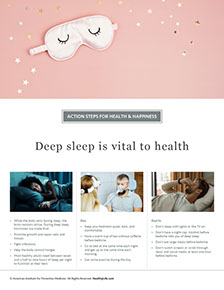
  • Deep Sleep Is Vital To Health

    Sleep Well

    Pink eye mask with closed eyes and gold stars around it.

    *  While the body rests during sleep, the brain remains active. During deep sleep, hormones are made that:

    *  Promote growth and repair cells and tissues

    *  Fight infections

    *  Help the body control hunger

    *  Most healthy adults need between seven and a half to nine hours of sleep per night to function at their best.

    Dos

    *  Keep your bedroom quiet, dark, and comfortable.

    *  Have a warm cup of tea without caffeine before bedtime.

    *  Go to bed at the same time each night and get up at the same time each morning.

    *  Get some exercise during the day.

    Don’ts

    *  Don’t sleep with lights or the TV on.

    *  Don’t have a night cap. Alcohol before bedtime robs you of deep sleep.

    *  Don’t eat large meals before bedtime.

    *  Don’t watch screens or scroll through news and social media at least one hour before bedtime.

    © American Institute for Preventive Medicine

  • Be Smart About Seizures

    MEDICAL NEWS

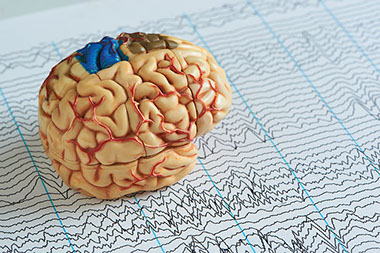
    A brain model.

    A seizure is a sudden surge of electrical activity in the brain. It can cause a person to have uncontrolled movements. A grand mal seizure or tonic-clonic seizure is the most serious. It usually involves jerking movements, shaking and the inability to talk or communicate.

    When it comes to seizures, there are plenty of myths. Knowing the truth about seizures could save someone’s life.

    Myth:A person having a seizure could swallow their tongue.

    Truth:This is not possible. Never put something in a person’s mouth if they are having a seizure.

    Myth:You should hold the person down.

    Truth:Do not try to hold or move the person unless they are in immediate danger of getting hurt. You can help get them on the floor and turn on their side. This keeps the person from injuring themselves or falling.

    Myth:You should always give mouth-to-mouth or CPR during a seizure.

    Truth:People usually start breathing normally after the seizure is over. But if the patient stops breathing for more than 30 seconds, call 911 and begin CPR.

    Should you call 911?

    Call 911 if:

    *  The person has never had a seizure before.

    *  The person stops breathing for more than 30 seconds, or has trouble breathing after the seizure.

    *  The seizure happened in the water.

    *  The person is pregnant.

    *  The person doesn’t wake up after the seizure.

    *  The person has a health condition like heart disease or diabetes.

    *  The seizure lasts longer than five minutes.

    *  The person is hurt.

    Source: Centers for Disease Control and Prevention

    © American Institute for Preventive Medicine
  • Keeping Your Brain Healthy

    WELL-BEING

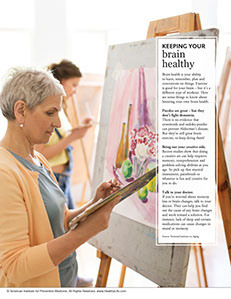
    Elderly female painting.

    Brain health is your ability to learn, remember, plan and concentrate on things. Exercise is good for your brain – but it’s a different type of workout. Here are some things to know about boosting your own brain health.

    Puzzles are great – but they don’t fight dementia.

    There is no evidence that crosswords and sudoku puzzles can prevent Alzheimer’s disease. But they’re still great brain exercise, so keep doing them!

    Bring out your creative side.

    Recent studies show that doing a creative art can help improve memory, comprehension and problem-solving abilities as you age. So pick up that musical instrument, paintbrush or whatever is fun and creative for you to do.

    Talk to your doctor.

    If you’re worried about memory loss or brain changes, talk to your doctor. They can help you find out the cause of any brain changes and work toward a solution. For instance, lack of sleep and certain medications can cause changes in mood or memory.

    Source: National Institute on Aging

    © American Institute for Preventive Medicine
  • Omega-3 Has Mega Benefits

    HEALTHY EATING

    A variety of food that contains Omega-3.

    Fatty fish like salmon have high amounts of omega-3 fats. And these fats are so healthy that they can lower the risk of stroke.

    The American Heart Association says these fats can also lower the risk of heart rhythm problems. They can also lower triglyceride levels.

    Omega-3s can help prevent the clogging of arteries. Eating two servings of salmon each week can help you get enough omega-3s in your diet.

    © American Institute for Preventive Medicine

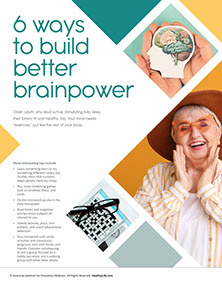
  • Six Ways To Build Better Brainpower

    Mature Health: Over Age 50

    Image of adults writing and using a computer.

    Research shows that older adults who lead active, stimulating lives keep their brains fit and healthy, too. Your mind needs “exercise,” just like the rest of your body.

    Some mind-stimulating tips include:

    *  Learn something new-or try something different-every day. Studies show that curiosity keeps people mentally sharp.

    *  Play mind-stretching games such as Scrabble, chess, and cards.

    *  Do the crossword puzzle in the daily newspaper.

    *  Read books and magazine articles about subjects of interest to you.

    *  Attend lectures, plays, and exhibits, and watch educational television.

    *  Use memory aids, such as appointment calendars, “to do” lists, and Post-it notes.

    Also, concentrate on what people say, repeat what you want to remember out loud, and associate an action with an object (like leaving your tote bag near the door so you remember to take it with you when you leave).

    A Year of Health Hints book by the American Institute for Preventive Medicine. www.HealthyLife.com. All rights reserved.

    © American Institute for Preventive Medicine
  • How Aging Affects Memory

    Brain & Nervous System

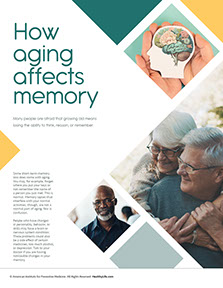
    Image of 2 elderly male friends hugging.

    Many people are afraid that growing old means losing the ability to think, reason, or remember.

    Some short-term memory loss does come with aging. You may, for example, forget where you put your keys or not remember the name of a person you just met. This is normal. Memory lapses that interfere with your normal activities, though, are not a normal part of aging. Nor is confusion.

    People who have changes in personality, behavior, or skills may have a brain or nervous system condition. These problems could also be a side effect of certain medicines, too much alcohol, or depression. This chapter gives information on common brain and nervous conditions in older persons.

    Health at Home Lifetime book by the American Institute for Preventive Medicine. www.HealthyLife.com. All rights reserved.

    © American Institute for Preventive Medicine
  • A Healthy Diet Helps With Stress

    SUCCESS OVER STRESS

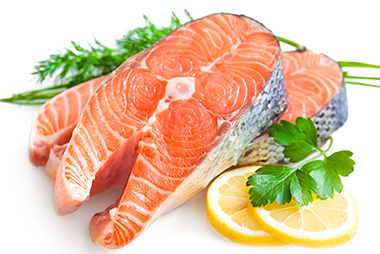
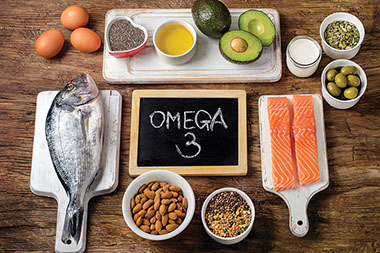
    Image of salmon.

    Can the foods you eat help you cope with stress? Yes, according to experts at the Academy of Nutrition and Dietetics. When you can’t avoid stress completely, focus on these foods to help you through it:

    Whole grains and healthy carbohydrates

    Whole grain bread, pasta, brown rice and sweet potatoes are all complex carbohydrates, which may help boost feel-good hormones in the brain.

    Heart-healthy fats

    Foods rich in omega-3 fats, such as salmon, flax seeds and walnuts may help improve mood and reduce stress and anxiety.

    Soothing hot teas

    Lavender and chamomile teas are good choices to help you relax and potentially get better sleep – keys to dealing with stress.

    Dark chocolate

    The antioxidants in this treat may help reduce stress. Be sure to keep your portion to one ounce or less a day, and choose dark varieties only. Milk and white chocolates do not offer these benefits.

    © American Institute for Preventive Medicine

  • Remember This: You Can Improve Your Memory

    WELL-BEING

    Image of man with hand on his head.

    Worried because you searched a half hour before finding your reading glasses or car keys? Concerned that it took a couple minutes to remember the name of the familiar-looking woman who said hello to you in the restaurant?

    You probably don’t have much to worry about, said Dr. George Grossberg, an internationally recognized Alzheimer researcher and director of geriatric psychiatry at Saint Louis University School of Medicine. As annoying as it may be, temporary “tip of the tongue” forgetfulness is one of the changes that happens as we age.

    “If, on the other hand, the information is important to us, isn’t there when we want it, and doesn’t ever come back to us, that’s a more serious problem. The person who has Alzheimer’s disease and misplaces her reading glasses probably won’t even remember that she needs them to see. She knows the man next to her is familiar, but can’t remember that he’s her grandson and his name is Mark.”

    “In our society, we’re all on chronic systems overload. We’re multi-tasking – talking on our cell phones, listening for beepers to go off, walking into a store to shop,” he said. “It’s very easy for certain things to get lost in the shuffle. That’s not Alzheimer’s disease.”

    Dr. Grossberg offers this recipe for brain health:

    *  Try to figure out what is causing your forgetfulness. Did you make a wrong turn while driving while you were talking on a cell phone and listening to the radio? Maybe you’re trying to do too many things at once and need to put down the phone or turn off  the tunes.

    *  Exercise your body. Aerobic exercise improves your cardiovascular health. Exercise also increases your “feel-good” brain chemicals, which improve your mood and prevents depression which is a risk factor for Alzheimer’s disease.

    *  Exercise your mind. Research shows mental challenge can help rewire connections in the brain. So find a new hobby, learn to play chess, use your left hand if you’re right-handed, or study a foreign language.

    *  Take care of yourself. Control risk factors for cardiovascular disease such as high blood pressure, smoking, high cholesterol, and obesity to help decrease your risk.

    *  Get a good night’s sleep. Not getting enough deep, restful sleep causes mental impairment later in life. Besides, if you’re sleep deprived, you won’t think clearly and are more likely to forget in the present time.

    *  Feed your brain. Some research shows antioxidant vitamins have protective powers against Alzheimer’s disease. Some B vitamins, especially B-12 and folate, are very important in how brain cells function. Talk with your doctor about taking vitamin supplements.

    *  Check your meds. Discuss, with your doctor, if any prescribed and over-the-counter medications you take could cause memory or concentration problems.

    © American Institute for Preventive Medicine