Tag: Brain & Nervous System

  • Be Smart About Seizures

    MEDICAL NEWS

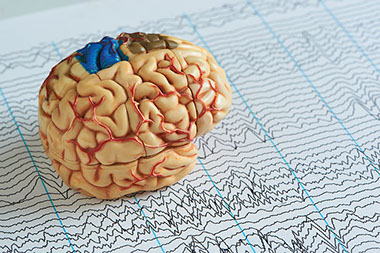
    A brain model.

    A seizure is a sudden surge of electrical activity in the brain. It can cause a person to have uncontrolled movements. A grand mal seizure or tonic-clonic seizure is the most serious. It usually involves jerking movements, shaking and the inability to talk or communicate.

    When it comes to seizures, there are plenty of myths. Knowing the truth about seizures could save someone’s life.

    Myth:A person having a seizure could swallow their tongue.

    Truth:This is not possible. Never put something in a person’s mouth if they are having a seizure.

    Myth:You should hold the person down.

    Truth:Do not try to hold or move the person unless they are in immediate danger of getting hurt. You can help get them on the floor and turn on their side. This keeps the person from injuring themselves or falling.

    Myth:You should always give mouth-to-mouth or CPR during a seizure.

    Truth:People usually start breathing normally after the seizure is over. But if the patient stops breathing for more than 30 seconds, call 911 and begin CPR.

    Should you call 911?

    Call 911 if:

    *  The person has never had a seizure before.

    *  The person stops breathing for more than 30 seconds, or has trouble breathing after the seizure.

    *  The seizure happened in the water.

    *  The person is pregnant.

    *  The person doesn’t wake up after the seizure.

    *  The person has a health condition like heart disease or diabetes.

    *  The seizure lasts longer than five minutes.

    *  The person is hurt.

    Source: Centers for Disease Control and Prevention

    © American Institute for Preventive Medicine

  • Keeping Your Brain Healthy

    WELL-BEING

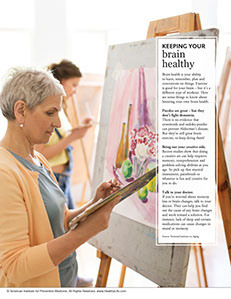
    Elderly female painting.

    Brain health is your ability to learn, remember, plan and concentrate on things. Exercise is good for your brain – but it’s a different type of workout. Here are some things to know about boosting your own brain health.

    Puzzles are great – but they don’t fight dementia.

    There is no evidence that crosswords and sudoku puzzles can prevent Alzheimer’s disease. But they’re still great brain exercise, so keep doing them!

    Bring out your creative side.

    Recent studies show that doing a creative art can help improve memory, comprehension and problem-solving abilities as you age. So pick up that musical instrument, paintbrush or whatever is fun and creative for you to do.

    Talk to your doctor.

    If you’re worried about memory loss or brain changes, talk to your doctor. They can help you find out the cause of any brain changes and work toward a solution. For instance, lack of sleep and certain medications can cause changes in mood or memory.

    Source: National Institute on Aging

    © American Institute for Preventive Medicine
  • Self-Care For Your Brain

    SELF-CARE CORNER

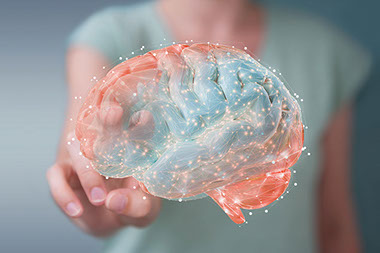
    Photo illustration of brain with hands reaching out to touch it.

    Your brain needs care just like any other part of the body. As you age, your brain naturally shrinks, and certain hormones and neurotransmitters decline. It’s not uncommon for people to notice changes in their memory, thinking, and other cognitive abilities.

    Healthy lifestyle choices can reduce cognitive decline. When you care for your brain, you protect your ability to focus, remember, and learn new things.

    Your brain needs

    A healthy brain relies on a healthy lifestyle:

    *  Quality nutrients that support brain cells

    *  Omega 3 fats from fatty fish, nuts, seeds, and plant oils such as flaxseed

    *  Vitamins D, E, K, and B vitamins from a variety of fruits, vegetables, and sunshine (Vitamin D)

    *  Minerals such as iron, copper, and magnesium from leafy greens and other plant foods

    *  7-9 hours of good quality sleep each night

    *  Regular exercise and movement to promote blood flow and protect blood pressure

    *  Time to relax and de-stress

    *  Regular mental stimulation and challenge

    Brain drainers

    Some unhealthy choices or physical conditions can worsen mental decline over time. Anything that negatively impacts the health of the body affects the health of the brain, such as:

    *  Smoking and other tobacco and nicotine products, such as chewing tobacco

    *  Excessive alcohol intake

    *  High blood pressure

    *  Being overweight or obese

    *  Lack of physical activity

    *  Poor diet, especially processed foods and lots of red meat

    *  Social isolation and loneliness

    Brain self-care

    Eating a healthy diet that focuses on plants, getting enough physical activity, and sleeping well is good for every part of your body. But, your brain also benefits from self-care to meet its unique needs. Here are some ideas:

    *  Meditate to promote calming brain waves

    *  Learn an instrument to introduce a new skill

    *  Read daily to expand your knowledge

    *  Do a crossword or other type of puzzle to challenge your brain

    *  Pick up a new hobby

    *  Explore a new place

    *  Volunteer for a cause you believe in

    *  Be social and meet new people

    © American Institute for Preventive Medicine
  • Understanding Autism

    MEDICAL NEWS

    Blue teddy bear holding heart with autism puzzle icon.

    Autism is a spectrum of developmental disorders that impacts how a person learns, communicates, behaves, and interacts socially. While boys are more likely to be affected, autism spectrum disorders (ASD) can develop in people of all ages, races, and ethnicities.

    Health professionals believe ASD is caused by a mix of genetic and environmental factors. Autism presents differently in each individual and ranges from very mild to requiring extensive support.

    Signs of ASD

    Screening is a routine part of well-child visits during the first few years of life. However, those with only mild impairments from ASD may remain undiagnosed until later in life. Signs include:

    *  Poor eye contact

    *  No babbling or pointing before age 1

    *  Not responding appropriately to name

    *  Poor social responsiveness

    *  Preferring to play alone

    *  Repetitive movements such as hand-flapping

    *  Delays in skill development

    *  Loss of previously acquired skills

    *  Preoccupation with certain objects or subjects

    *  Inflexible adherence to routine

    Diagnosing ASD

    There is no blood test or other medical diagnostic test. A doctor makes the diagnosis based on observation of the child’s behavior and developmental history. Screening tools a physician may use include:

    *  Developmental screening

    *  Developmental monitoring

    *  Comprehensive developmental evaluations

    If a child has additional risk factors for autism, your doctor may recommend additional screenings. Risk factors include:

    *  Preterm delivery

    *  Low birth weight

    *  Lead exposure

    *  Sibling with ASD

    *  Other factors

    Treatment for ASD

    There is no cure for ASD. However, treatment can significantly improve symptoms. Many people with autism benefit from a combination of therapies that help them develop language and social skills and encourage positive behaviors. Common treatment includes:

    *  Speech therapy

    *  Occupational therapy

    *  Educational interventions

    *  Intensive behavioral interventions

    *  Family counseling

    *  Skill-oriented training

    *  Medication

    *  Physical therapy

    *  Cognitive behavior therapy

    *  Nutritional therapy

    © American Institute for Preventive Medicine
  • Understanding Dyslexia

    MEDICAL NEWS

    Boy spelling DYSLEXIA with wood blocks.

    Dyslexia is a learning disability that impacts the ability to read. While the condition can be frustrating, people with dyslexia have more resources available than ever before. With proper support, they can build the skills needed to adapt and learn.

    Causes

    Dyslexia is neurobiological, meaning it is caused by how the brain is “wired.” Many people with dyslexia are born with a brain that has difficulty interpreting written information. However, dyslexia can develop as a result of a brain injury or dementia.

    Dyslexia isn’t related to a person’s intelligence. People of all intellectual abilities may be affected by dyslexia. Just because someone has difficulty processing written information doesn’t mean they don’t understand the concepts.

    Genetics may play a role in the development of dyslexia. While the exact cause of the condition is unknown, research is ongoing to further clarify its origin and treatment.

    Signs

    While no single test can diagnose dyslexia, a doctor will look at a range of signs and symptoms. Information from family history, medical history, reading evaluations, psychological testing, and other factors provide the basis for a diagnosis.

    Here are some common signs of dyslexia:

    *  Reading or writing slowly

    *  Writing letters in the wrong order

    *  Difficulty telling similar letters or words apart

    *  Problems spelling

    *  Difficulty planning and organizing

    *  Avoidance of activities that involve reading

    *  Problems remembering sequences

    Support

    Early identification of dyslexia is vital, especially for young children. With the right support, most individuals can be successful in school and at work. Effective treatment involves providing a supportive environment and individualized instruction to teach techniques that make reading easier. These include:

    *  Helping a child use multiple senses to identify written words

    *  Tutoring sessions with a reading specialist

    *  A school Individual Education Program (IEP) that guarantees learning support

    *  Reading aloud to children and having them practice reading aloud

    *  Utilizing technology to aid reading and writing

    © American Institute for Preventive Medicine

  • Understanding Epilepsy

    MEDICAL NEWS

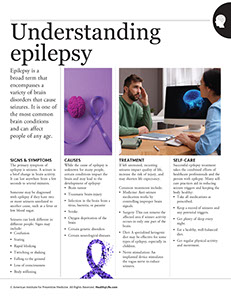
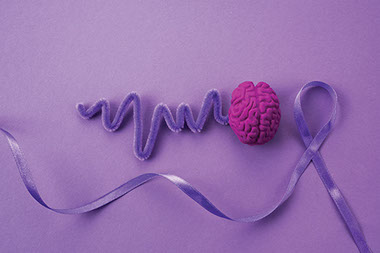
    Purple ribbon and brain to represent epilepsy awareness.

    Epilepsy is a broad term that encompasses a variety of brain disorders that cause seizures. It is one of the most common brain conditions and can affect people of any age.

    Signs & symptoms

    The primary symptom of epilepsy is seizures. A seizure is a brief change in brain activity. It can last anywhere from a few seconds to several minutes.

    Someone may be diagnosed with epilepsy if they have two or more seizures unrelated to another cause, such as a fever or low blood sugar.

    Seizures can look different in different people. Signs may include:

    *  Confusion

    *  Staring

    *  Rapid blinking

    *  Twitching or shaking

    *  Falling to the ground

    *  Loss of consciousness

    *  Body stiffening

    Causes

    While the cause of epilepsy is unknown for many people, certain conditions impact the brain and may lead to the development of epilepsy:

    *  Brain tumor

    *  Traumatic brain injury

    *  Infection in the brain from a virus, bacteria, or parasite

    *  Stroke

    *  Oxygen deprivation of the brain

    *  Certain genetic disorders

    *  Certain neurological diseases

    Treatment

    If left untreated, recurring seizures impact quality of life, increase the risk of injury, and may shorten life expectancy.

    Common treatments include:

    *  Medicine: Anti-seizure medication works by controlling improper brain signals.

    *  Surgery: This can remove the affected area if seizure activity occurs in only one part of the brain.

    *  Diet: A specialized ketogenic diet may be effective for some types of epilepsy, especially in children.

    *  Nerve stimulation: An implanted device stimulates the vagus nerve to reduce seizures.

    Self-care

    Successful epilepsy treatment takes the combined efforts of healthcare professionals and the person with epilepsy. Many self-care practices aid in reducing seizure triggers and keeping the body healthy:

    *  Take all medications as prescribed.

    *  Keep a record of seizures and any potential triggers.

    *  Get plenty of sleep every night.

    *  Eat a healthy, well-balanced diet.

    *  Get regular physical activity and movement.

    © American Institute for Preventive Medicine
  • Understanding Multiple Sclerosis

    MEDICAL NEWS

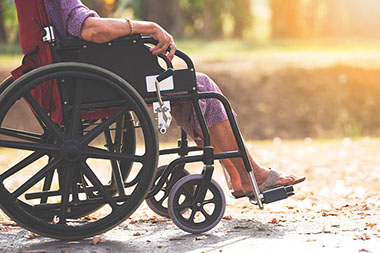
    Women in wheel chair.

    Multiple sclerosis (MS) is a common condition affecting millions of people across the world.

    What is MS?

    MS is an autoimmune disease. Your immune system is designed to fight off invaders like viruses and bacteria. Autoimmune means the immune system attacks healthy tissue by mistake.

    With MS, the immune system attacks a protective coating on the nerves in the brain and spinal cord. When this coating, called the myelin sheath, is damaged, the nerves have trouble sending signals.

    Types of MS

    Most people with MS have relapsing-remitting MS (RRMS). RRMS causes MS symptoms over a few days or weeks, known as a relapse. Then, MS symptoms go away for months or even years. When symptoms go away, this is called remission. The relapse and remission cycle repeats itself over time.

    Other people may have symptoms that slowly get worse. They don’t have periods of remission. This is known as primary progressive or secondary progressive MS.

    Symptoms of MS

    MS symptoms are very different from person to person. They can also change over time. Symptoms include:

    *  Feeling tired (fatigue)

    *  Weakness

    *  Loss of balance

    *  Numbness or tingling

    *  Stiff muscles or spasms

    *  Blurry vision

    *  Dizziness

    *  Loss of control of bladder or bowels

    *  Trouble with memory, learning or attention

    *  Speech problems

    *  Shaking

    *  Seizures

    If you have one or more of these symptoms, it doesn’t mean you have MS. However, you should see your doctor to find out the cause.

    How is MS treated?

    If you have MS, see your doctor regularly. Treatment can help slow the disease and manage symptoms. There are different medications available to treat MS, and physical therapy is helpful for some people. A doctor who specializes in treating MS can recommend the best treatment for you.

    While there is no cure, treatments for MS continue to improve. With a doctor’s help, many people with MS can manage their symptoms and feel their best.

    © American Institute for Preventive Medicine

  • Minutes Count With A Stroke

    MEDICAL NEWS

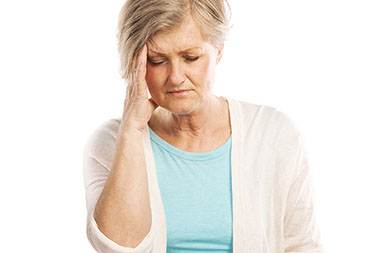
    Image of older women with hand on head.

    If someone were having a stroke, would you recognize the signs? Would you know what to do?

    These are important questions to consider. During a stroke, brain cells are damaged due to a blood clot or rupture of a blood vessel in the brain. This can lead to serious disability and death.

    According to the National Institute of Neurological Disorders and Stroke, about 795,000 strokes occur every year. It is the third leading cause of death in the U.S. But with fast action, you might save someone from permanent brain damage.

    Preventing stroke

    Health problems like atrial fibrillation (an irregular beating of the heart), high cholesterol, high blood pressure, heart disease and diabetes increase your risk. Take medicines to control risk factors and follow a heart-healthy lifestyle. Eat right, exercise, limit alcohol and don’t smoke. See your doctor as recommended for health exams and screenings.

    Aspirin may help reduce the risk of stroke due to a blood clot in women ages 55-79 years, but you should discuss the use of aspirin with your doctor before taking it.

    Know the signs of stroke

    The five most common signs and symptoms of stroke:

    *SUDDENnumbness or weakness of the face, arm or leg

    *SUDDENconfusion, trouble speaking or understanding others

    *SUDDENtrouble seeing in one or both eyes

    *SUDDENdizziness, trouble walking or loss of balance or coordination

    *SUDDENsevere headache with no known cause

    What to do

    Call 9-1-1 immediately. Hospital emergency rooms have medication that can dissolve blood clots and restore blood flow to the brain. The window of opportunity is three hours, but in order to receive treatment in time, patients must get to the hospital within 60 minutes. Don’t wait – if you see signs of stroke, seek emergency medical care!

    © American Institute for Preventive Medicine
  • Stroke Signs

    MEDICAL NEWS

    Image of elderly man with stroke symptoms.

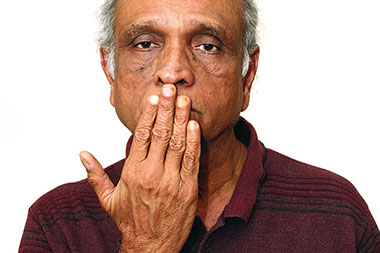
    Seek immediate medical care for someone who shows one or more of the following warning signs: sudden numbness or weakness of the face, arm or leg, especially on one side of the body; sudden confusion, trouble speaking or understanding; sudden trouble seeing in one or both eyes; sudden trouble walking, dizziness, loss of balance or coordination; or sudden, severe headache with no known cause.

    To remember the signs of stroke, the National Stroke Association recommends using the acronymFAST:

    Face:Ask the person to smile. Does one side of the face droop?

    Arms:Ask the person to raise both arms. Does one arm drift downward?

    Speech:Ask the person to speak. Does the person have slurred speech or trouble speaking?

    Time:If you observe any of these signs, call 9-1-1.

    © American Institute for Preventive Medicine
  • Ways To Improve Brain Health

    MEDICAL NEWS

    Image of older couple dancing.

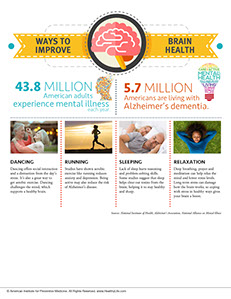
    Dancing

    Dancing offers social interaction and a distraction from the day’s stress. It’s also a great way to get aerobic exercise. Dancing challenges the mind, which supports a healthy brain.

    Running

    Studies have shown aerobic exercise like running reduces anxiety and depression. Being active may also reduce the risk of Alzheimer’s disease.

    Sleeping

    Lack of sleep hurts reasoning and problem-solving skills. Some studies suggest that sleep helps clear out toxins from the brain, helping it to stay healthy and sharp.

    Relaxation

    Deep breathing, prayer and meditation can help relax the mind and lower stress levels. Long-term stress can damage how the brain works, so coping with stress in healthy ways gives your brain a boost.

    Sources: National Institutes of Health, Alzheimer’s Association, National Alliance on Mental Illness

    © American Institute for Preventive Medicine