Tag: breaks

  • Reduce Sit-Time

    Healthylife® Weigh

    Part 5

    Business team with folders walking along office building and talking.

    Find ways to move more throughout the day.

    *  Set an alarm on your watch or phone to get up every hour, if sitting.

    *  Stretch and walk for a few minutes to get more oxygen flowing through your body.

    *  Drink water regularly so you need to use the bathroom at least once every few hours.

    *  Get up to use a drinking fountain.

    *  Get up during commercial breaks on TV to tidy up a room or dust.

    *  Walk outside for a few minutes. Take a deep breath of fresh air.

    *  Have walking meetings with co-workers and friends. Walk and talk.

    *  Walk to get lunch.

    © American Institute for Preventive Medicine

  • 5 Ways To Make It A Healthy Work Day

    WORK LIFE

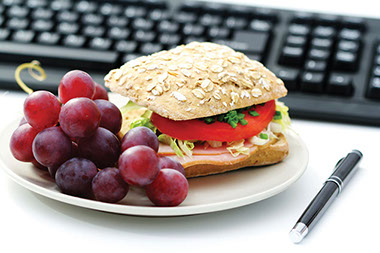
    Image of a healthy lunch.

    Are you looking for ways to be your best at your job? No matter what kind of work you do, you can improve your overall health and productivity with some simple, everyday habits.

    Get enough sleep.

    The National Heart, Lung, and Blood Institute says getting the right amount of rest helps you both physically and mentally. It boosts your energy and improves your immune system. It may also lower your risk of heart disease, diabetes and stroke. It helps you think, learn, react and deal with stress and anxiety. Aim for seven to nine hours of sleep each night.

    Stay hydrated.

    Drinking enough water is important for any job – whether you sit or stand at a desk, or you’re lifting and moving throughout your day. When you are even slightly dehydrated, you can feel sluggish and you may struggle with problem-solving. If possible, take sips from a water bottle as you go through your day. The color of your urine can tell you if you’re staying hydrated. It should be colorless or light yellow, according to The American Academy of Family Physicians.

    Pack healthy snacks & lunches.

    Eating fresh fruits, vegetables, whole grains and lean protein can give you energy as you move through your day. Don’t choose unhealthy processed foods or fast food. Pack a healthy lunch the night before work, so you can just grab it and go in the morning.

    Wash your hands often.

    Areas in your workplace can be hot spots for germs that can make you sick. Wash your hands with soap and water after using the restroom, before eating, and after touching shared surfaces, such as door handles and computer keyboards. If someone around you is ill, avoid contact with them and be extra diligent about washing your hands.

    Get up & move.

    Avoid sitting at a desk all day without getting some physical activity. Get up and stretch when possible such as during a long conference call. If you get a lunch break, consider taking a 10-minute walk. This can energize you and help you cope with a stressful day.

    © American Institute for Preventive Medicine

  • Avoiding Digital Eye Strain

    WORK LIFE

    Image of man working on computer.

    Many people spend a lot of time in front of a computer screen at their job. And when we’re not at our desks, we may be looking at a smartphone or tablet or watching TV. All of these digital screens add up to a lot of strain on the eyes. Viewing a digital screen is hard on the eyes due to glare and reflections. Most screens also have less defined letters than printed paper, making them harder to read.

    Digital eye strain, or computer vision syndrome, may cause dry eyes or blurred vision, but it can affect other areas of the body as well. Some people also experience headaches and neck and shoulder pain. If these symptoms bother you when you’re using a digital screen, you may have digital eye strain.

    When you are viewing a screen for long periods, protect your eyes from strain by following these tips:

    *  Keep your screen about four to five inches below eye level.

    *  Avoid glare by moving the screen away from windows and bright lights. Consider a screen glare filter if needed.

    *  Rest your eyes throughout the day with the 20-20-20 rule. Every 20 minutes, look at an object 20 feet away for 20 seconds.

    *  Think about blinking. Many people blink less frequently while viewing a screen. Be intentional about blinking so your eyes stay moist.

    *  Get regular eye exams from a qualified doctor or optometrist. Be sure to tell your doctor if you notice any symptoms of digital eye strain or vision changes.

    Source: American Optometric Association

    © American Institute for Preventive Medicine