Tag: caffeine

  • How Caffeine Affects Your Brain

    WELL-BEING

    Two people walking and talking.

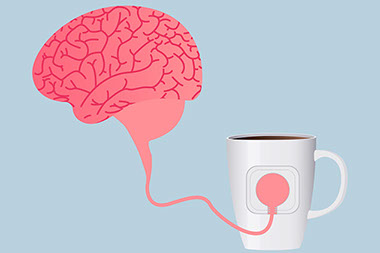
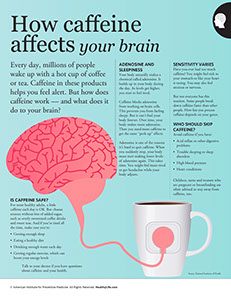
    Every day, millions of people wake up with a hot cup of coffee or tea. Caffeine in these products helps you feel alert. But how does caffeine work – and what does it do to your brain?

    Adenosine and sleepiness

    Your body naturally makes a chemical called adenosine. It builds up in your body during the day. As levels get higher, you start to feel tired.

    Caffeine blocks adenosine from working on brain cells. This prevents you from feeling sleepy. But it can’t fool your body forever. Over time, your body makes more adenosine. Then you need more caffeine to get the same “perk-up” effects.

    Adenosine is one of the reasons it’s hard to quit caffeine. When you suddenly stop, your body must start making lower levels of adenosine again. This takes time. You might feel more tired or get headaches while your body adjusts.

    Sensitivity varies

    Have you ever had too much caffeine? You might feel sick to your stomach or like your heart is racing. You may also feel anxious or nervous.

    But not everyone has this reaction. Some people break down caffeine faster than other people. How fast you process caffeine depends on your genes.

    Who should skip caffeine?

    Avoid caffeine if you have:

    *  Acid reflux or other digestive problems

    *  Trouble sleeping or sleep disorders

    *  High blood pressure

    *  Heart conditions

    Children, teens and women who are pregnant or breastfeeding are often advised to stay away from caffeine, too.

    Is caffeine safe?

    For most healthy adults, a little caffeine each day is OK. But choose sources without lots of added sugar, such as overly sweetened coffee drinks and sweet teas. And if you’re tired all the time, make sure you’re:

    *  Getting enough sleep

    *  Eating a healthy diet

    *  Drinking enough water each day

    *  Getting regular exercise, which can boost your energy levels

    Talk to your doctor if you have questions about caffeine and your health.

    Source: National Institutes of Health
    © American Institute for Preventive Medicine
  • Avoid Drowsy Driving 2

    SleepWell® Program

    Week 2

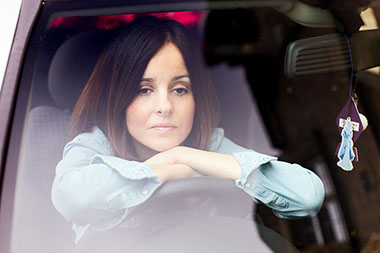
    Image of a drowsy driver.

    Driving while sleepy can severely impair your driving and cause an accident. Studies have linked sleepiness and fatigue to decreases in reaction time, decision making, and mind and body coordination. All of these factors are very important for safe driving.

    According to estimates from the American Automobile Association (AAA), one out of every five deadly traffic accidents is due to drowsy driving. More than one-quarter of drivers admitted to driving in the past month while having trouble keeping their eyes open. (Source: AAA, 2014.)

    Drive when you feel alert. On long drives, plan 15 minute breaks to get out and stretch your legs every two hours.

    Closing your eyes for even a second (called microsleep) can be enough to travel blindly far down the road (or off the road). If you drive while you are fatigued, you and anyone around you is at serious risk.

    Signs of fatigue:

    *  You can’t stop yawning

    *  You have trouble keeping your head up

    *  Your eyes close for a moment or go out of focus

    *  You have wandering, disconnected thoughts

    *  You have no memory of driving the last few miles

    *  You miss seeing a sign or your exit

    *  You slow down when you don’t mean to or break suddenly or too late

    *  You drift across the road or veer off onto rumble strips

    What to do:

    *  Pull to the side of the road or go to a rest stop

    *  Take a 15-20 minute nap. If you can, have 250-300 mg caffeine (amount in 2 cups of coffee) before the nap.

    *  Get a non-drowsy person to drive or find some way of getting home without driving yourself

    *  Drive to a motel or place where you can sleep

    © American Institute for Preventive Medicine
  • Avoid Drowsy Driving

    Healthylife® Weigh

    Part 3

    Alert driver.

    Driving while sleepy can severely impair your driving and cause an accident. Studies have linked sleepiness and fatigue to decreases in reaction time, decision-making, and mind and body coordination. All of these factors are very important for safe driving.

    According to estimates from the National Safety Council in 2017, one out of every five deadly traffic crashes is due to drowsy driving.

    Drive when you feel alert. On long drives, plan 15-minute breaks to get out and stretch your legs every 2 hours. Avoid using food to stay alert. Closing your eyes for even a second (called microsleep) can be enough to travel blindly down the road (or off the road). If you drive while you are fatigued, you and anyone around you is at serious risk.

    Signs of Fatigue

    *  You can’t stop yawning.

    *  You have trouble keeping your head up.

    *  Your eyes close for a moment or go out of focus.

    *  You have wandering, disconnected thoughts.

    *  You have no memory of driving the last few miles.

    *  You miss seeing a sign or your exit.

    *  You slow down when you don’t mean to or brake suddenly or too late.

    *  You drift across the road or veer off onto rumble strips.

    What to do:

    *  Pull to the side of the road or go to a rest stop.

    *  Take a 15-20-minute nap. If you can, have 250-300 mg of caffeine (about 2 cups of coffee) before the nap.

    *  Get a non-drowsy person to drive or find some way of getting to your destination without driving yourself.

    *  Drive to a motel or place where you can sleep.

    © American Institute for Preventive Medicine

  • Coffee And Tea

    Healthylife® Weigh

    Part 3

    Herbal tea.

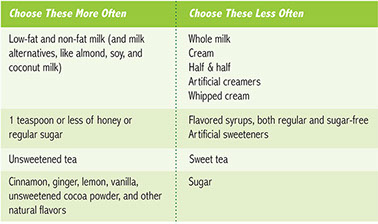
    Coffee and tea drinks made with added ingredients can be a major source of sugar and saturated fat in your diet. The calories can also add up, pushing you over what your body needs for the day and not leaving enough room for nutrient-dense foods. Without anything added, coffee and tea drinks have fewer than 5 calories.

    Example chart of what to choose and not choose.

    If your favorite coffee or tea drink has more add-ins from the column on the right, save this drink for a special treat. Or, start to gradually cut back on how much of these you add to your drink. You can get used to new tastes. You may even like the new version better!

    Different teas can have a lot of natural flavor and sweetness. Experiment with lemon, chai, chamomile, fruit, and herbal teas.

    © American Institute for Preventive Medicine
  • A Jolt Of Java

    HEALTHY EATING

    Image of 3 coffee cups around coffee beans.

    The addictive drug caffeine (yes, it’s a drug) is naturally found in coffee beans and is added to other drinks and foods. So how much is in your daily cup?

    Here’s what the Center for Science in the Public Interest says. (Numbers are in milligrams per 8 ounce cup, unless otherwise stated, so judge accordingly because who drinks just 8 ounces?)

    * Note: The FDA advises consumers to talk with their health care providers before using any product marketed as an “energy shot” or “energy drink.”

    *  Brewed coffee 102 to 200 (by comparison, brewed decaf 5)

    *  Instant coffee 27 to 173

    *  Starbucks brewed 160 (Starbucks vanilla latte 75 or 1 oz Espresso 75)

    *  Dunkin’ Donuts 103

    *  Starbucks Tazo Chai tea 50

    *  Brewed tea 40-120

    *  Arizona Iced Tea, black 16; green 7.5

    *  Snapple, Just Plain Unsweetened 9

    *  5-Hour Energy (1.93 oz) 207*

    *  Monster Energy 80 (but the cans are 16 oz so 160)*

    *  Coke, regular or diet 54 (12 oz); Classic 35

    *  Sprite, regular or diet 0

    *  SoBe Essential 48

    *  Ben & Jerry’s Coffee Heath Bar Crunch 84

    *  Hershey’s Chocolate Bar (1.55 oz) 9

    *  Hershey’s Kisses (9 pieces) 9

    *  Excedrin (Extra Strength, 2 tablets) 130

    © American Institute for Preventive Medicine