WELL-BEING
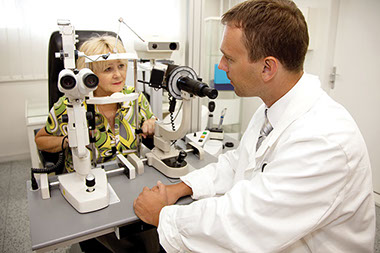
With aging comes the possibility of developing cataracts. In fact, age is the primary risk factor for developing a clouding of the lens of one or both eyes.
Smoking and diabetes may contribute to the proteins in the eye that clump together and begin to cloud vision, but wear and tear over the years is the main culprit, according to the National Eye Institute.
If you have trouble identifying blues and purples, you may have what is called lens discoloration from a cataract forming. The condition can begin as early as age 40, but after age 60 is when cataracts start to reduce the sharpness of your vision.
Other signs of cataract formation include glaring headlights and poor night vision, double vision, faded colors, or frequent prescription changes in your eyeglasses or contacts.
Wearing sunglasses and a hat with a wide brim to block ultraviolet sunlight may help to delay cataracts. If you smoke, stop. Researchers also believe good nutrition can help reduce the risk of age-related cataract. They advise eating green leafy vegetables, fruit, and other foods with antioxidants.
If you are age 60 or older, you should have a comprehensive dilated eye exam at least once every 2 years. In addition to checking for cataracts, your eye care professional can check for signs of age-related macular degeneration, glaucoma, and other vision disorders. Early treatment for many eye diseases may save your sight.

© American Institute for Preventive Medicine