Tag: causes

  • The Causes Of Coughing

    SELF-CARE CORNER

    Man holding his throat and head.

    It’s the season for colds and flu – and that means coughing. Coughing is an important function in your body. It helps clear your airways. Many times, a mild cough will go away on its own. But when should you see a doctor about a cough?

    Common cold

    A common cold may cause some coughing. When you have a runny nose, the fluids drain down your throat. This causes your cough reflex to kick in. It’s a way your body protects your lungs. Although a cough from a cold can be annoying, it usually goes away quickly. Antibiotics won’t help with a cough related to a cold.

    Bronchitis

    Bronchitis is an inflammation in the tiny tubes in the lungs. These tubes are called bronchioles. Viruses and bacteria can get into the bronchioles and make you sick. Chemicals and toxins like tobacco smoke can also invade the bronchioles and lead to bronchitis.

    Symptoms of bronchitis include:

    *  Coughing, especially with mucus

    *  Wheezing or feeling short of breath

    *  Low fever

    *  Chest pain

    Bronchitis is most often caused by a virus so antibiotics will not help. Rest, drinking more fluids and a humidifier can help you feel better.

    Pneumonia

    Pneumonia is an infection in the air sacs inside the lungs. These sacs are called alveoli. Pneumonia can range from mild to serious. If you have pneumonia, you may notice:

    *  Cough with greenish, yellow or bloody mucus

    *  Fever, sweating and chills

    *  Trouble breathing

    *  Stabbing chest pain that hurts when you cough or take a deep breath

    *  Loss of appetite

    *  Feeling weak or tired

    *  Nausea and vomiting (common in small children)

    Many times, a doctor will give you antibiotics for pneumonia. Be sure to take them exactly as your doctor tells you. Pneumonia can be life-threatening if it is not treated effectively.

    Pertussis (Whooping cough)

    Pertussis is very contagious. It may seem like a cold at first. People may have a runny nose or mild cough.

    As it gets worse, pertussis causes a severe cough that can last weeks or even months. The cough makes a high-pitched “whoop” sound. It’s especially dangerous for babies and people with weak immune systems.

    The best way to protect against pertussis is to get vaccinated. If you aren’t sure whether you’re vaccinated, ask your doctor. Pertussis is treated with antibiotics.

    Sources: American Lung Association, Centers for Disease Control and Prevention, National Heart, Lung, and Blood Institute

    © American Institute for Preventive Medicine

  • When Blood Pressure Is Low

    MEDICAL NEWS

    Man taking his blood pressure at home.

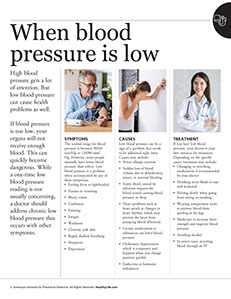
    High blood pressure gets a lot of attention. But low blood pressure can cause health problems as well.

    If blood pressure is too low, your organs will not receive enough blood. This can quickly become dangerous. While a one-time low blood pressure reading is not usually concerning, a doctor should address chronic low blood pressure that occurs with other symptoms.

    Symptoms

    The normal range for blood pressure is between 90/60 mm/Hg to 120/80 mm/Hg. However, some people naturally have lower blood pressure than others. Low blood pressure is a problem when accompanied by any of these symptoms:

    *  Feeling dizzy or lightheaded

    *  Nausea or vomiting

    *  Blurry vision

    *  Confusion

    *  Fainting

    *  Fatigue

    *  Weakness

    *  Clammy, pale skin

    *  Rapid, shallow breathing

    *  Sleepiness

    *  Depression

    Causes

    Low blood pressure can be a sign of a problem that needs to be addressed right away. Causes may include:

    *  Severe allergic reaction

    *  Sudden loss of blood volume due to dehydration, injury, or internal bleeding

    *  Septic shock caused by infection impacts the blood vessels causing blood pressure to drop

    *  Heart problems such as heart attack or changes in heart rhythm, which may prevent the heart from pumping blood efficiently

    *  Certain medications or substances can lower blood pressure

    *  Orthostatic hypotension which is temporary and happens when you change position quickly

    *  Endocrine or hormone imbalances

    Treatment

    If you have low blood pressure, your doctor is your best resource for treatment. Depending on the specific cause, treatment may include:

    *  Changing or switching medications if recommended by your doctor

    *  Drinking more fluids to stay well hydrated

    *  Moving slowly when going from sitting to standing

    *  Wearing compression socks to prevent blood from pooling in the legs

    *  Medicines to increase heart strength and improve blood pressure

    *  Avoiding alcohol

    *  In severe cases, receiving blood through an IV

    © American Institute for Preventive Medicine
  • Fainting

    Women’s Health

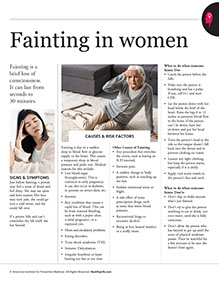
    Fainting is a brief loss of consciousness. It can last from seconds to 30 minutes.

    Signs & Symptoms

    Just before fainting, a person may feel a sense of dread and feel dizzy. She may see spots and have nausea. Her face may turn pale, she could go into a cold sweat, and she could fall over.

    If a person falls and can’t remember the fall itself, she has fainted.

    Causes

    Fainting is due to a sudden drop in blood flow or glucose supply to the brain. This causes a temporary drop in blood pressure and pulse rate. Medical reasons for this include:

    *  Low blood sugar (hypoglycemia). This is common in early pregnancy. It can also occur in diabetes, in persons on severe diets, etc.

    *  Anemia.

    *  Any condition that causes a rapid loss of blood. This can be from internal bleeding, such as with a peptic ulcer, a tubal pregnancy, or a ruptured cyst.

    *  Heart and circulatory problems, such as abnormal heart rhythm, heart attack, or stroke.

    *  Eating disorders.

    *  Toxic shock syndrome (TSS).

    *  Seizures.

    Other Causes of Fainting

    *  Any procedure that stretches the cervix, such as having an IUD inserted.

    *  Extreme pain.

    *  A sudden change in body position, such as standing up too fast.

    *  Sudden emotional stress or fright.

    *  A side effect of some prescription drugs, such as some that lower blood pressure.

    *  Recreational drugs or excessive alcohol.

    *  Being in hot, humid weather or being in a stuffy room.

    Know what to do when someone faints.

    Dos

    *  Catch the person before she falls.

    *  Lie the person down with her head below the level of the heart. Raise the legs 8 to 12 inches to promote blood flow to the brain. If the person can’t lie down, have her sit down, bend forward, and put her head between her knees.

    *  Turn the person’s head to the side so the tongue doesn’t fall back into the throat and to prevent choking on vomit.

    *  Loosen any tight clothing, but keep the person warm, especially if the surroundings are chilly.

    *  Apply moist towels to the person’s face and neck.

    Don’ts

    *  Don’t slap or shake anyone who’s just fainted.

    *  Don’t try to give the person anything to eat or drink, not even water, until she is fully conscious.

    *  Don’t allow the person who’s fainted to get up until the sense of physical weakness passes. Then be watchful for a few minutes to be sure she doesn’t faint again.

    Questions to Ask

    Self-Care / Prevention

    *  When you feel faint, lie down and elevate both legs. Or, sit down, bend forward and put your head between your knees.

    *  Get up slowly from bed or from a sitting position.

    *  Follow your doctor’s advice to treat any condition which may lead to fainting. Take prescribed medicines, but tell your doctor about any side effects, so he or she can monitor your condition.

    *  Don’t wear tight clothing around your neck.

    *  Avoid turning your head suddenly.

    *  Stay out of stuffy rooms and hot, humid places. If you can’t, use a fan.

    *  If you have fainting spells often, avoid activities that can put lives in danger, such as driving a car.

    *  Drink a lot of fluids, but drink alcoholic ones in moderation, if at all. Eat small, frequent meals.

    When Pregnant

    *  Get out of bed slowly.

    *  Keep crackers at your bedside and eat a few before getting out of bed.

    *  Eat small, frequent meals instead of a few large ones. With each meal, have a good source of protein, such as lean meat, low-fat cheese, milk, etc. Avoid sweets. Don’t skip meals or go for a long time without eating. Drink plenty of fluids.

    *  Don’t sit for long periods of time. Elevate your legs when you sit.

    *  When you stand, as in a line, move your legs to pump blood up to your heart.

    *  Take vitamin and mineral supplements, as your doctor prescribes.

    *  Don’t lay on your back during the 2nd and 3rd trimesters of your pregnancy. Lie on your left side. When you can’t, lie on your right side.

    Women's Self-Care book by the American Institute for Preventive Medicine. www.HealthyLife.com. All rights reserved.

    © American Institute for Preventive Medicine
  • Bloody Nose Know-How

    MEDICAL NEWS

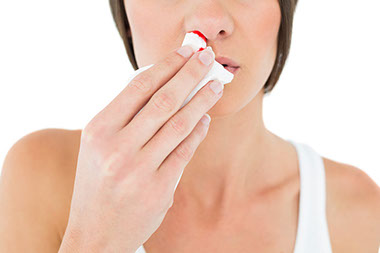
    Image of a nose bleed.

    Maybe you blew your nose too hard or bumped your nose. Causes aren’t always known. But when the blood starts gushing, nosebleeds can be frightening.

    Experts at eMedicineHealth tell what to do: Remain calm. Sit up straight and lean your head forward. Contrary to what some people think, do not lean your head back, you’ll only swallow the blood.

    Ice packs do not help either. Pinch your nostrils tightly together with your thumb and index finger for 10 minutes. Just hold it. Breathe through your mouth, of course. Do not release your grip.

    That should stop the blood flow, usually from an artery in the front of your nose. Then be nice to your tender nose for the rest of the day. Think about adding humidity to the air when you sleep, especially in dry winter weather.

    © American Institute for Preventive Medicine
  • Ulcers Not Caused By Stress

    MEDICAL NEWS

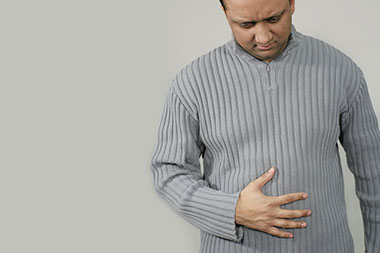
    Image of man holding this stomach.

    The lining of your stomach makes acid and enzymes that help break down food into the nutrients you need. The lining protects itself from acid damage by releasing mucus. But sometimes the lining gets inflamed and starts making less acid, enzymes, and mucus. This type of inflammation is called gastritis.

    You may have gastritis if you have pain or an uncomfortable feeling in your upper stomach. You could have nausea or vomiting. Or you may have no symptoms at all.

    Untreated, some types of gastritis can lead to ulcers. These are sores in the stomach lining.

    Some people think ulcers are caused by stress and spicy foods. But according to the NIH in Health, bacteria called H. pylori are often to blame. These bacteria break down the inner protective coating in the stomach and can cause inflammation.

    H. pylori can spread by passing from person to person or through contaminated food or water. Infections can be treated with antibiotics.

    One type of gastritis, called erosive gastritis, wears away the stomach lining. The most common cause of erosive gastritis is long-term use of medications called non-steroidal anti-inflammatory drugs. These include aspirin and ibuprofen. Stop taking these pain relievers and the gastritis usually clears up.

    Less common causes of gastritis include digestive disorders (such as Crohn’s disease) and autoimmune disorders in which the body’s protective immune cells attack healthy cells in the stomach lining.

    Gastritis can be diagnosed with an endoscope. A thin tube with a tiny camera on the end is inserted through the patient’s mouth or nose and into the stomach. The doctor looks at the stomach lining and may remove some tissue samples for testing. Treatment will depend on the type of gastritis found.

    Although stress and spicy foods don’t cause gastritis and ulcers, they can make symptoms worse. Milk might provide brief relief, but it also increases stomach acid, which can worsen symptoms. Your doctor may advise taking antacids or other drugs to  reduce acid in the stomach.

    Gastritis can lead to ulcers over time. Symptoms of ulcers include pain between the belly button and breastbone that starts between meals or during the night. It briefly stops if you eat or take antacids, lasts for minutes to hours, and comes and goes for several days or weeks.

    Contact your doctor right away if you have sudden sharp stomach pain that doesn’t go away, black or bloody stools, or vomit that is bloody or looks like coffee grounds.

    © American Institute for Preventive Medicine

  • What Makes Your Head Hurt?

    MEDICAL NEWS

    Image of women with a headache.

    Headaches are one of the most common health complaints.

    About 95% of headaches are primary headaches, meaning they are not caused by some other medical condition. Most people can relieve headache pain by making lifestyle changes, learning how to relax, and taking pain relievers. Your doctor may have more suggestions.

    Here are the 3 main types of headaches, according to the National Institutes of Health:

    *Tension headachescan be treated with over-the-counter pain relievers. Stress management, relaxation exercises, or a hot shower may  also help.

    *Migraine headachescan be treated with over-the-counter or prescription drugs. Migraines often happen again and again but may be prevented with prescription drugs. Avoid food and drinks that can trigger migraines, such as caffeine, alcohol, and processed meats. Relaxation practices may reduce the number and severity.

    *Cluster headachescan be treated or prevented with prescription drugs. Nasal sprays that numb the nose and nostrils may help. Doctors also recommend avoiding alcohol.

    © American Institute for Preventive Medicine